Singapore Economic Development Board data show manufacturing output increased 6.8% year on year in July, with precision engineering, electronics, and transport engineering providing the strongest growth while chemicals and biomedical manufacturing contracted.
The July result extends the expansion in Singapore’s factory sector, although the headline growth rate eased from a revised 7.5% in June. On a seasonally adjusted basis, total manufacturing output increased 2.3% from the previous month, while output excluding biomedical manufacturing rose 0.8%.
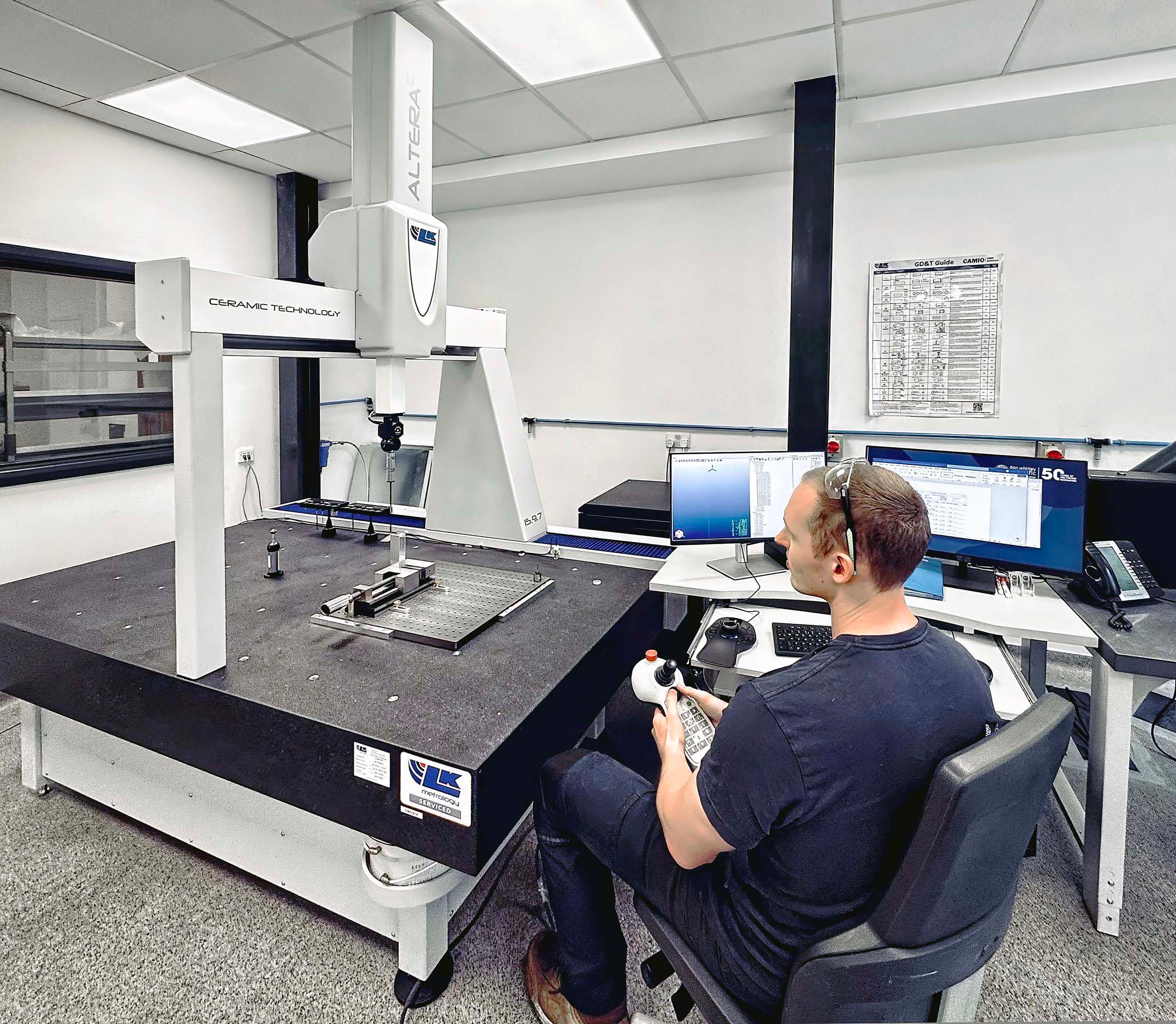
Precision engineering was the fastest-growing manufacturing cluster, with output up 17.7% compared with July 2025. Within that figure, machinery and systems increased 18.2% on higher production of semiconductor equipment, while precision modules and components rose 15.0% as output increased across optical instruments, electronic connectors, metal precision components, and dies, moulds, tools, jigs, and fixtures.
Those details matter because the current semiconductor investment cycle reaches well beyond chip fabrication itself. New wafer capacity and advanced packaging require production tools, precision motion, inspection, optics, connectors, fixtures, and specialist components, so growth in semiconductor equipment can pull a broader group of engineering suppliers into the same capital-spending cycle.
Electronics, which carries a 40.2% weighting in Singapore’s manufacturing index, increased 11.2% year on year. EDB attributed the growth to infocomms and consumer electronics and semiconductors, supported by sustained AI-related demand. Semiconductor output was 8.0% higher than a year earlier, while infocomms and consumer electronics increased 51.7%.
The size of the electronics weighting means the cluster has a disproportionate effect on the overall manufacturing index. Precision engineering contributes another 15.2%, so simultaneous growth in chip output and semiconductor-equipment production gives the July expansion a broader industrial base than a single product category moving sharply for one month.
Year-to-date data reinforce that concentration. Electronics output increased 26.9% across January to July compared with the same period in 2025, while semiconductor output rose 28.7%. Precision engineering was up 14.1% over the seven months, including 14.8% growth in machinery and systems.
Transport engineering also recorded double-digit growth in July, increasing 10.8% year on year. Land transport rose 28.5%, while aerospace output increased 15.8% on higher aircraft-parts production and continued maintenance, repair, and overhaul work for commercial airlines.
Marine and offshore engineering moved in the opposite direction, declining 2.1% as production of oil and gas field equipment fell. The result shows why the broader transport cluster needs to be read beneath its headline figure: strong aerospace and land activity was sufficient to offset another weak month for marine and offshore manufacturers.
General manufacturing industries grew 4.9%, led by food, beverages, and tobacco, where output increased 10.4% on higher beverage and dairy production. Printing was up 2.7%, while miscellaneous industries fell 5.9% because of lower production of structural metal products and furniture.
The two clusters still in contraction were chemicals and biomedical manufacturing. Chemical output fell 10.6% year on year, with petroleum down 7.0% and petrochemicals down 48.7% amid plant maintenance, softer demand, and feedstock-supply disruption. Specialties and other chemicals grew, but not enough to offset the weakness in the larger petroleum-related segments.
Biomedical manufacturing declined 5.3%, with pharmaceuticals down 14.3% and medical technology down 2.2%. EDB attributed the pharmaceutical fall to a different mix of active pharmaceutical ingredients, while medical technology was affected by softer export orders for medical devices.
These contractions materially reduce the headline growth generated elsewhere. Chemicals account for 15.0% of the manufacturing index and biomedical manufacturing 11.3%, meaning more than a quarter of Singapore’s industrial weighting was moving backwards in July even as electronics and precision engineering recorded double-digit gains.
The divergence is even clearer across the first seven months of 2026. Total manufacturing output was 9.8% higher than in the same period last year and 13.5% higher when biomedical manufacturing is excluded, but biomedical output was down 18.8% and chemicals were down 9.7%.
For industrial suppliers, the composition of that growth matters more than the national headline. Strong electronics and precision-engineering output can support demand for automation, cleanroom systems, test equipment, industrial gases, materials, tooling, and precision components, while prolonged weakness in petrochemicals or pharmaceuticals changes utilisation and investment conditions for a very different process-industry supply chain.
EDB’s explicit reference to sustained AI-related demand also shows how infrastructure spending is feeding into physical manufacturing. The effect is visible in semiconductor production and in the machinery used to make semiconductors, rather than being confined to software companies and data-centre operators.
The July figures do not show every electronics indicator accelerating. Growth has moderated from the unusually high rates recorded earlier in the year, and the year-on-year semiconductor increase of 8.0% is well below May’s 53.3%. Even so, the year-to-date figures remain strong enough to keep electronics and precision engineering at the centre of Singapore’s manufacturing expansion.
EDB is scheduled to publish August manufacturing performance on 28 September. That release will show whether equipment, semiconductor, and aerospace production can continue to offset weakness in chemicals and biomedical manufacturing, or whether the gap between Singapore’s fastest- and slowest-moving industrial clusters begins to narrow.