Kiel Power Systems plans to double production capacity at its Kiel manufacturing operation as demand increases for large gas-engine components serving data-centre and energy infrastructure markets.
The business has been formed by combining Kieler Maschinenwerke and ProValve under Kiel Power Systems SE, bringing heavy-engine components and valve production into a single industrial group controlled by investment company Private Assets.
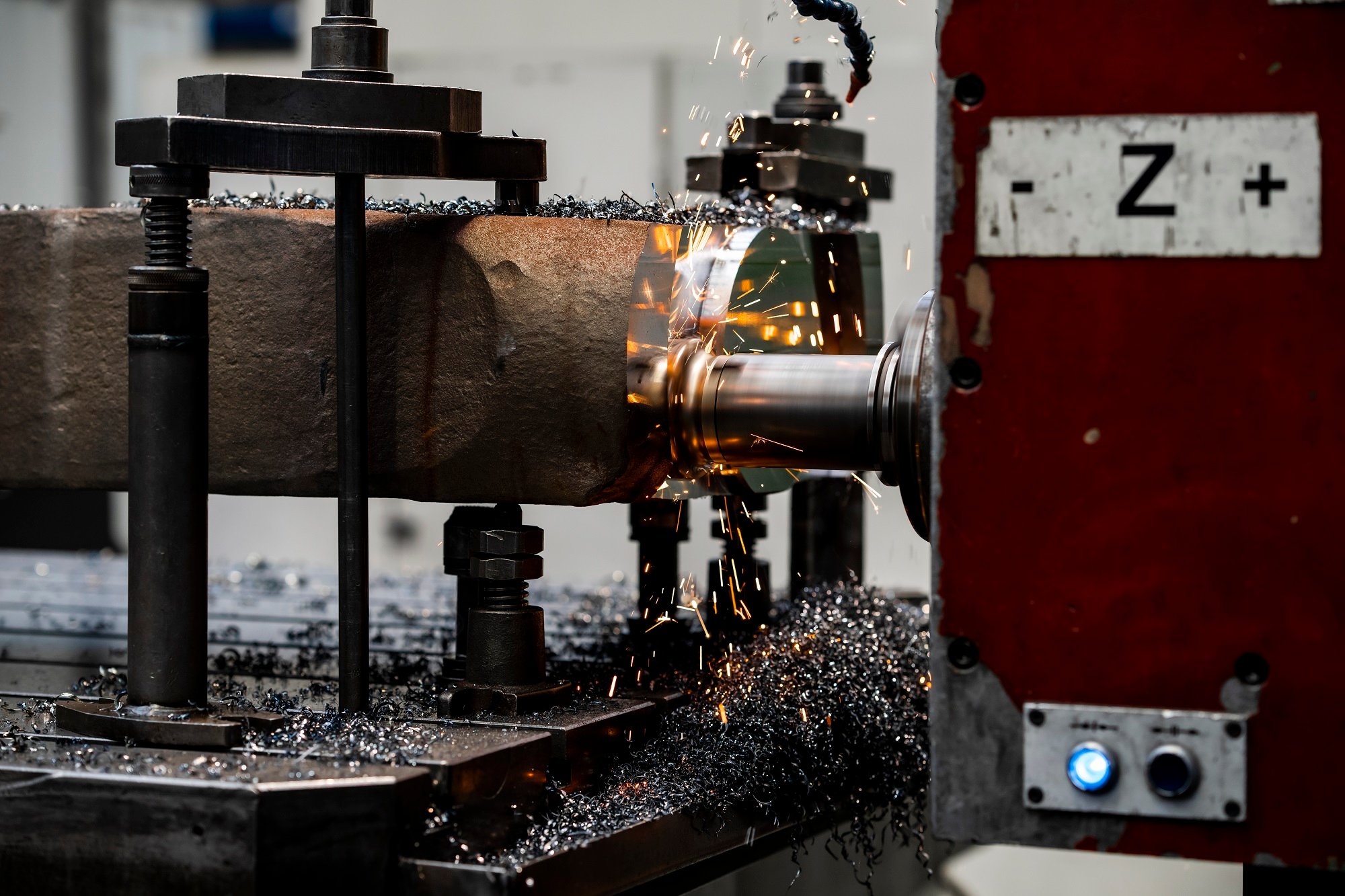
Kiel Power Systems manufactures cylinder crankcases, cylinder heads, connecting rods, and precision valve components for large engines. Individual components can weigh as much as 100 tonnes, placing the operation in a comparatively narrow segment of heavy machining where machine-tool capacity, handling equipment, inspection capability, and skilled labour create significant barriers to entry.
Private Assets says demand has accelerated particularly strongly since series production began in May 2026 for a new generation of gas-engine components. These parts are used in 20-cylinder engines that the shareholder says are primarily intended to provide power for US data centres, although the engine manufacturer has not been identified.
The industrial case is more concrete than the wider claims around artificial-intelligence infrastructure because a defined series-production programme is already under way. Even so, demand forecasts tied to data-centre expansion remain company expectations rather than independently verified market commitments, and the figures released with the restructuring need to be read carefully.
Kiel Power Systems reports a total order backlog of €260 million, but only €110 million of that is described as fixed and contractually committed. A further approximately €150 million is classified as soft backlog based on framework agreements and customer commitments for which binding purchase orders are expected.
That split is commercially important. Combining the two figures without qualification would imply €260 million of firm orders, which is not what the company has reported. The €110 million fixed portion alone is nevertheless substantial relative to the size of the business and is said to utilise existing production capacity until almost the end of 2027.
Management expects combined revenue to exceed €50 million during 2026 after €41 million in 2025, before rising above €90 million in 2027. It is also targeting an EBITDA margin above 5% this year and a double-digit margin next year. Those remain forward-looking management expectations rather than completed financial results, particularly as the newly combined structure is still being consolidated.
The physical expansion is easier to assess. Machinery at the Kiel site has already been increased, additional skilled workers have been recruited, and existing employees have received further training. The next phase is intended to add more machinery and expand the production site so overall capacity can be doubled.
No capital-expenditure figure has yet been disclosed. Private Assets is examining financing options for the programme, including equity and debt, meaning the capacity target is less advanced financially than a factory expansion where construction contracts and machine orders have already been placed.
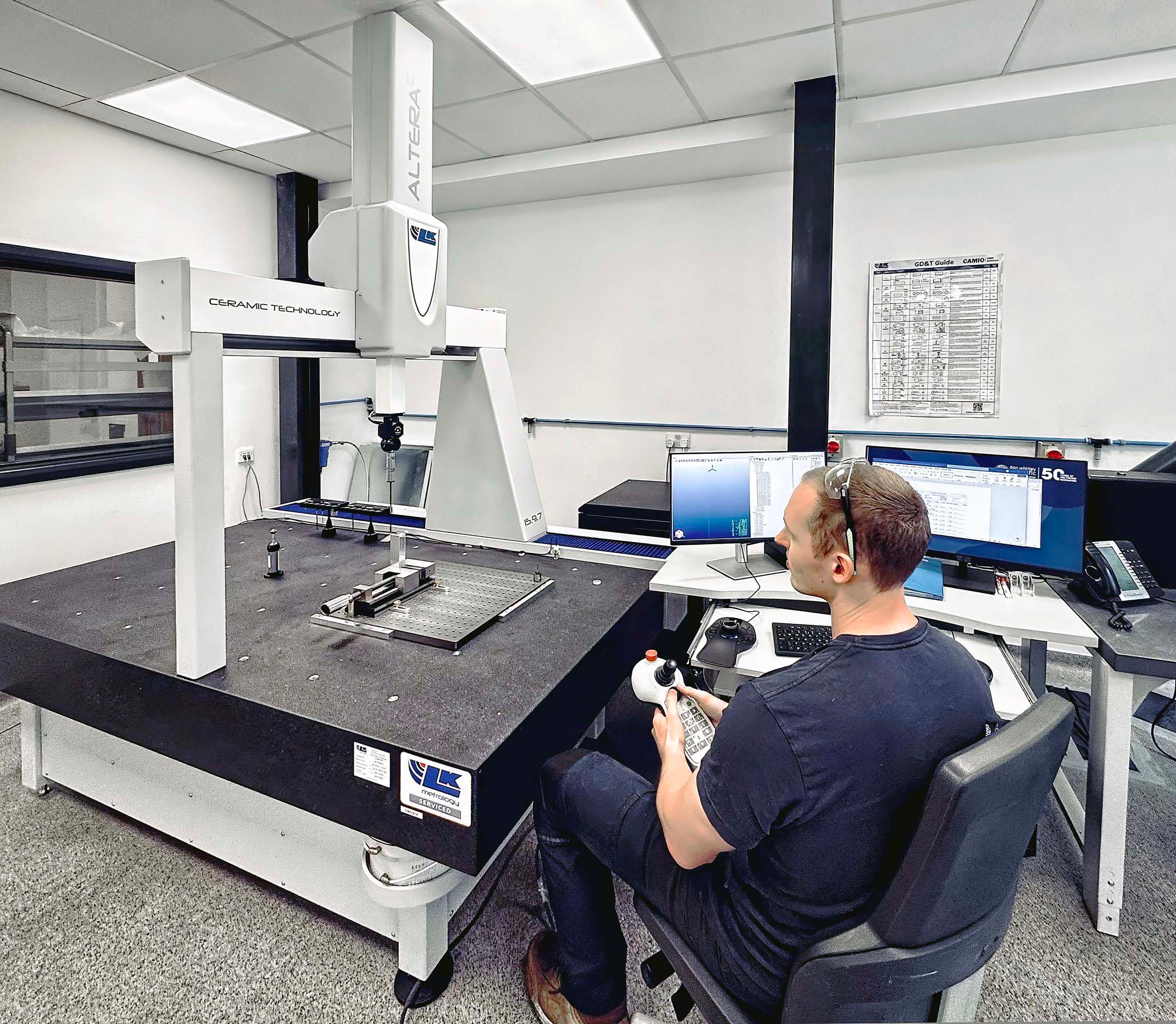
Heavy-engine manufacturing nevertheless imposes constraints that cannot be solved through financing alone. Machining a component weighing tens of tonnes requires large horizontal or gantry machine tools, heavy lifting systems, specialist fixtures, controlled process planning, substantial inspection capacity, and operators capable of maintaining tolerances over long machining cycles.
Once the largest machining centres become fully loaded, increasing output is not simply a matter of adding another shift. Bottlenecks can emerge in rough machining, finishing, inspection, material handling, tool preparation, and quality assurance, while each additional machine may require foundation work, utilities, crane access, and factory-space changes before it produces its first component.
The data-centre application adds another layer to the story. Much of the investment discussion around artificial intelligence concentrates on semiconductors, network hardware, and grid electricity demand, yet sites facing power constraints also need physical generation and backup infrastructure. Large gas engines are one route operators can use for on-site or supplementary generation, transferring part of that demand into conventional heavy engineering.
Kiel Power Systems says only a limited number of European manufacturers can serially produce components in the required weight classes and tolerances. That claim comes from the company, but the combination of large-component capability, fixed backlog extending towards the end of 2027, and additional soft commitments gives management a clear reason to consider more installed capacity.
The group employs around 210 people across Kiel and Neumünster. Bringing Kieler Maschinenwerke and ProValve under one structure is intended to combine their manufacturing capabilities while creating a larger platform for investment, although organisational consolidation will have to run alongside the production ramp rather than before it.
The expansion plan will therefore be judged less by the headline €260 million backlog than by the conversion of its separate elements. Firm orders need to be manufactured and delivered, soft commitments need to become binding purchases, and the planned machinery and site investment need financing before existing capacity runs out. Heavy machining has an uncomplicated way of exposing optimistic forecasts: eventually there has to be a machine, an operator, and enough hours available to make the component.