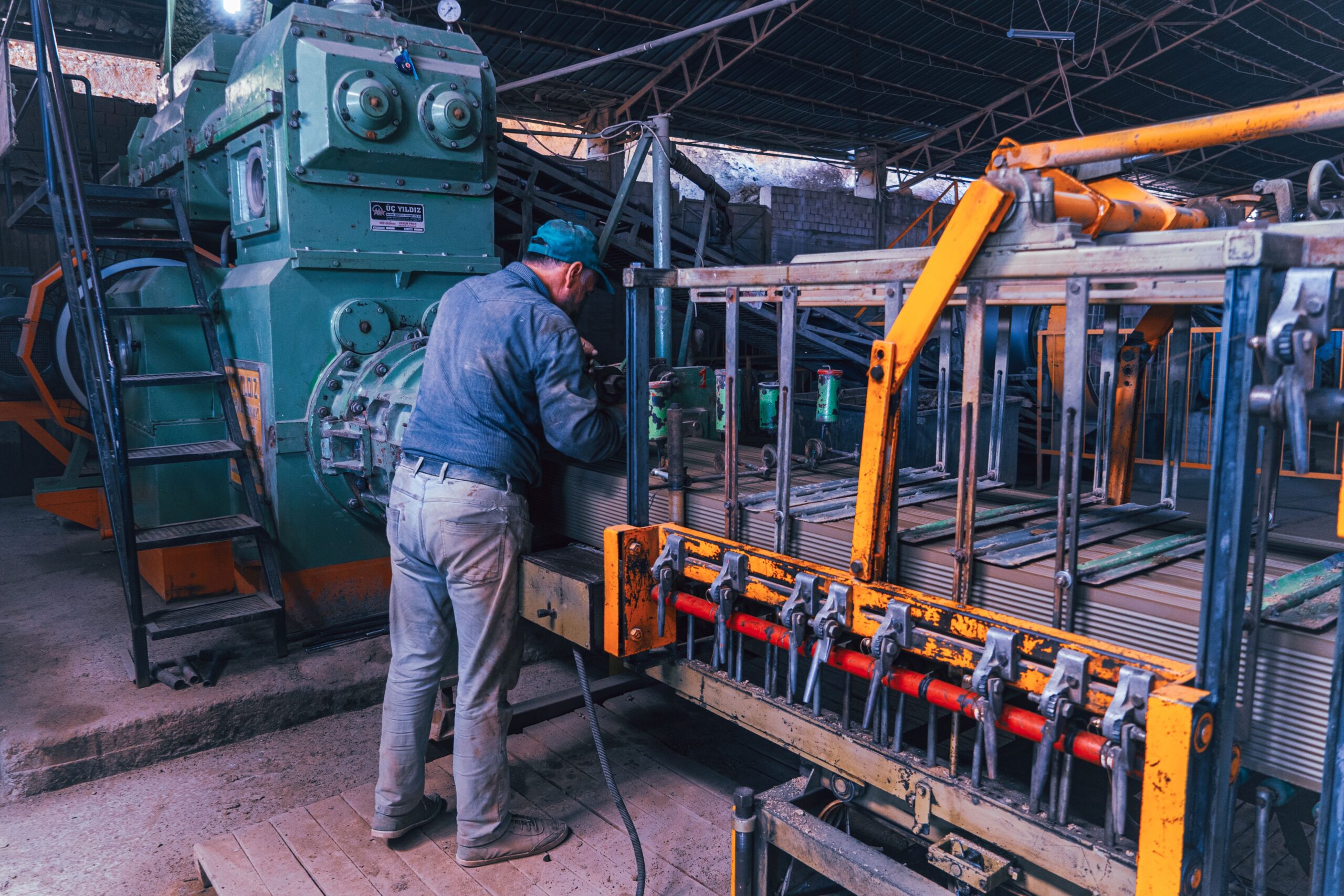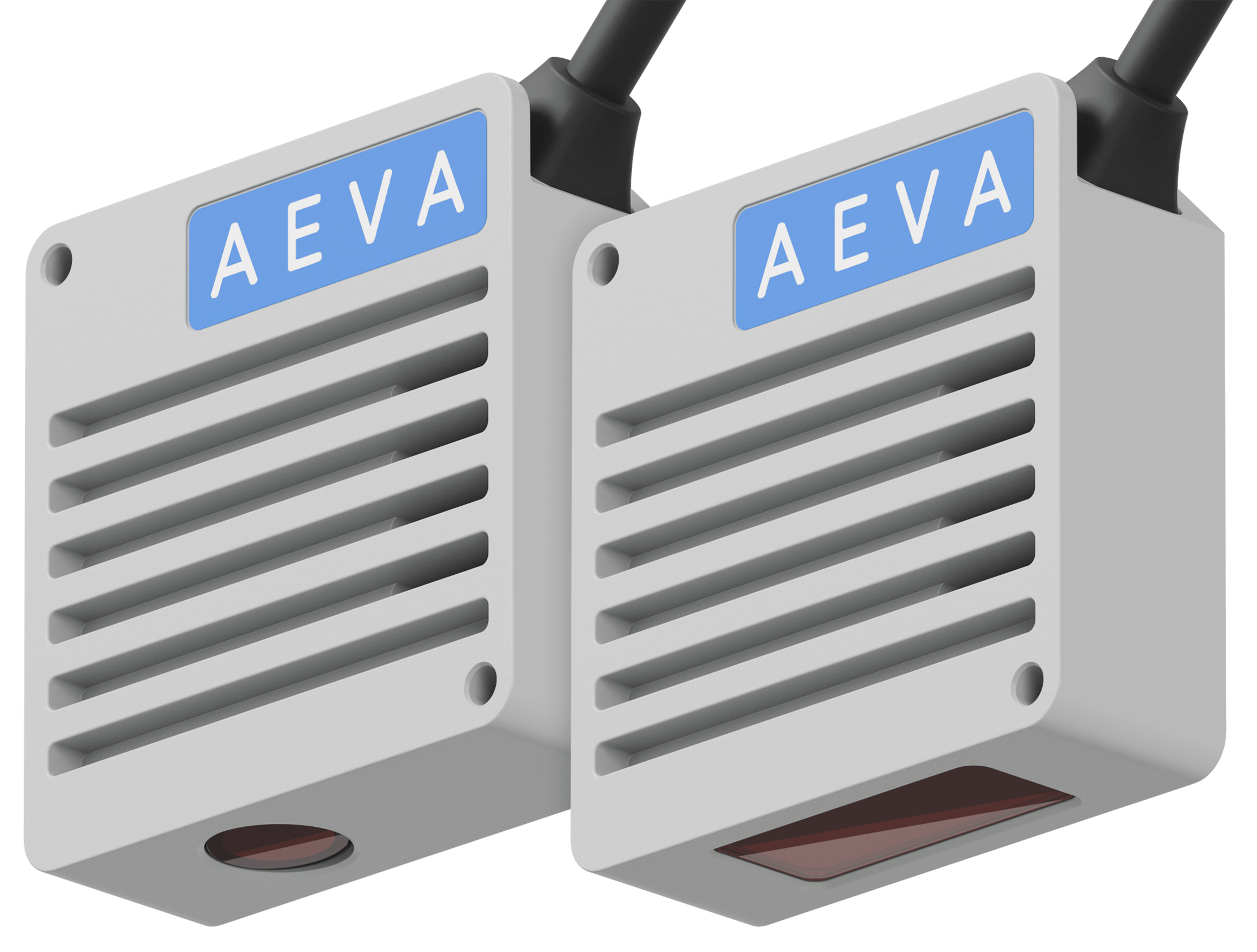
Micro-Epsilon will integrate high-precision optical sensing technology from US manufacturer Aeva into its next generation of industrial measurement systems, following the signing of a supply agreement covering several thousand sensors.
The agreement, confirmed on 3 November, will provide Micro-Epsilon with Aeva’s Eve sensing technology, which uses frequency-modulated continuous-wave (FMCW) optical measurement principles.
The companies intend to develop sensing products for factory automation and industrial quality control, with applications spanning automotive manufacturing, robotics, electronics and semiconductor production.
The signed supply agreement represents an initial commercial commitment for the underlying technology. Micro-Epsilon has not announced the launch of a completed sensor incorporating Eve, while the parties have not disclosed an exact order quantity, contract value or delivery timetable for the finished products.
Micro-Epsilon manufactures precision measurement equipment used to monitor characteristics including distance, thickness and displacement. Its products support applications where physical dimensions or the position of components must be measured repeatedly during industrial production.
According to Aeva, Micro-Epsilon ships more than 100,000 precision sensors annually, serving manufacturers that need measurement systems integrated into machinery and inspection equipment.
Non-contact sensing is useful where physical contact could damage a component, interfere with production or introduce mechanical wear into the measurement system.
In a production line, a displacement sensor may be used to measure the movement of a component relative to a fixed reference. Multiple measurements can also be combined to determine thickness, position or other dimensional characteristics.
The required measurement performance depends on the product being manufactured and the process in which the sensor operates. A system used to inspect a stationary precision component may have different requirements from one monitoring material moving rapidly through production equipment.
Aeva’s Eve platform uses FMCW technology, which differs from optical systems that rely solely on the measurement of reflected light intensity or the time taken for a short pulse to return.
An FMCW system transmits an optical signal whose frequency changes in a controlled manner. Light reflected from a target is combined or compared with a reference signal, allowing differences in their frequency characteristics to be analysed.
The resulting measurement can provide information about the distance to the target. Appropriate signal processing can also extract information relating to relative motion.
The technique depends on controlled optical generation, reception and processing, with the performance of the complete sensor influenced by the properties of the target and the measurement arrangement.
Aeva describes Eve as supporting coaxial optical measurement, in which transmitted and received light follow aligned measurement paths. This arrangement can influence how a sensing device is positioned and how measurements are collected from the target.
The company says its technology is intended to provide high measurement speed and precision across varying materials, stand-off distances and lighting conditions.
Those are supplier performance claims rather than independently verified characteristics of the proposed Micro-Epsilon products. The measurement range, uncertainty and environmental limits of the finished systems will depend on their design and qualification.
Material characteristics are an important consideration in optical inspection. Surfaces differ in reflectivity, colour, roughness and geometry, which can influence the amount and distribution of light returned to a sensor.
Highly reflective surfaces may direct substantial light away from the receiver depending on their orientation, while darker or rougher materials can produce different signal characteristics.
Measurement systems intended to handle several material types must therefore be assessed under representative operating conditions. The selection of a particular optical technique can reduce some measurement difficulties without eliminating every limitation.
Ambient lighting introduces another variable. Industrial equipment may operate under changing illumination or near other optical devices, requiring suitable signal processing and measurement controls.
The practical performance of the proposed Micro-Epsilon systems will need to be established through testing of the completed product rather than inferred entirely from the underlying sensing principle.
Dr Thomas Wisspeintner, chief executive of Micro-Epsilon, said Aeva’s technology would support greater speed, accuracy and versatility within the company’s future factory automation products.
He described the intended integration as a way of expanding the types of measurement applications that Micro-Epsilon could address with its existing industrial customers.
The companies are targeting applications in which measurements must be produced quickly enough to support the operation of automated machinery.
For a production line, the time needed to acquire and process a measurement can affect whether the result is available before the next stage of the process begins.
Inspection systems may need to identify a component outside its specified dimensions and communicate that result to equipment controlling rejection, sorting or adjustment.
Measurement speed alone does not determine the performance of that arrangement. Sensor integration, communication delays, software processing and the response of the surrounding machinery all contribute to the time required for the system to act.
Accuracy and repeatability are also distinct requirements. A sensor may produce highly consistent measurements while retaining a systematic offset, making calibration and reference standards important parts of industrial metrology.
Temperature changes, vibration and mechanical movement can influence the relationship between a sensor and its target. Measurement uncertainty must therefore be considered for the installed system, not solely for an individual sensing component evaluated under controlled conditions.
Micro-Epsilon’s integration programme will require the technology to be incorporated into product hardware, electronics and supporting software.
That work can involve developing mechanical housings, electrical interfaces and signal processing arrangements suitable for customers’ manufacturing equipment.
Product qualification will also need to establish how the systems perform when installed near machinery, where vibration, heat and other operating conditions may differ from those encountered during laboratory testing.
Aeva has already introduced Eve technology for industrial displacement and motion measurement applications. Its existing product programme provides the technological foundation for the arrangement with Micro-Epsilon.
The company has also disclosed a separate commercial deployment involving Nikon, which uses Eve technology within automated laser radar equipment for industrial metrology.
That earlier application demonstrates a distinct route into manufacturing measurement. It should not be interpreted as evidence that Micro-Epsilon has completed its own integration work or begun shipping products developed under the new agreement.
Aeva has developed FMCW sensing for several markets, including automated vehicles, robotics and industrial systems. These applications share some underlying optical principles, although their requirements for measurement distance, field of view and operating conditions can differ substantially.
Micro-Epsilon’s established customer relationships provide a potential route into factories already using automated dimensional inspection or process measurement systems.
Actual adoption will depend on the capabilities of the finished products, their integration with existing equipment and the cost of delivering the required measurement performance.
The supply agreement covers several thousand sensors, but the announcement does not establish a recurring annual purchase commitment or a guaranteed production volume for the resulting devices.
Nor does it identify which Micro-Epsilon product families will incorporate Eve first, leaving their specifications and availability to be established through subsequent development.
The next milestone will be the integration and qualification of the technology within Micro-Epsilon’s industrial sensing products. The signed order establishes the supply relationship, while product performance and customer adoption remain to be demonstrated.