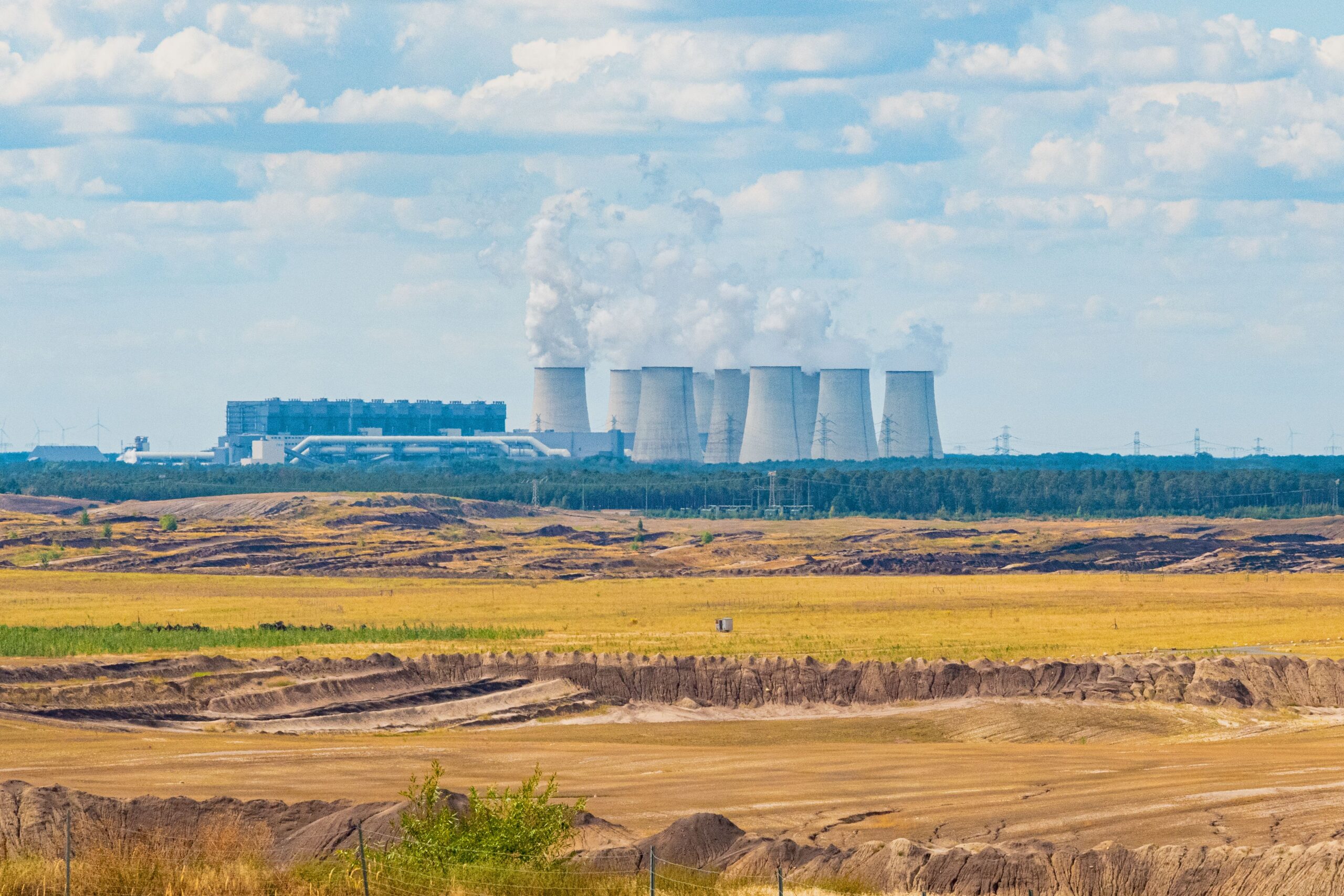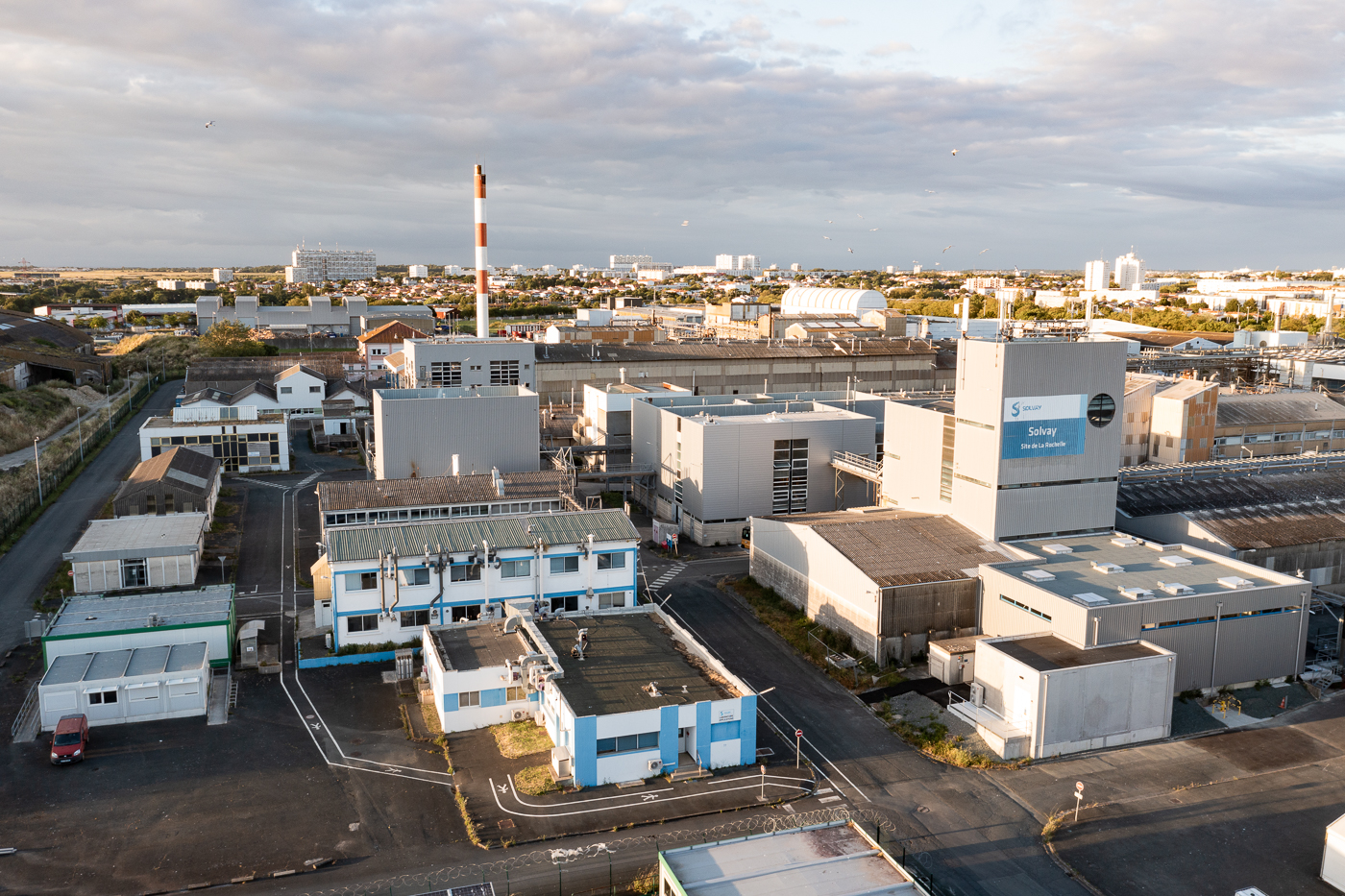
Solvay has signed a binding long-term agreement to obtain rare earth feedstock from Viridis Mining and Minerals’ Colossus project in Brazil, securing a proposed supply route to its established separation and purification facility at La Rochelle in France.
The agreement, confirmed on 4 November, has an initial term running through 2034, with deliveries expected to begin in 2028. It replaces the letter of intent announced by the companies in June and establishes a commercial commitment covering material containing rare earth elements used in permanent magnets and other industrial applications.
Under the agreement, Viridis will supply mixed rare earth feedstock from Colossus for processing at La Rochelle. Minimum committed volumes of the principal magnetic rare earth elements represent approximately 70% of the project’s anticipated production capacity during the initial contract term.
Solvay also has a right of first offer over the remaining production. The contractual arrangements provide a basis for developing future supplies, although the actual volumes delivered will depend on the development and operation of the Brazilian project.
The material is expected to contain neodymium, praseodymium, dysprosium and terbium, together with other rare earth elements including samarium, gadolinium and yttrium.
These elements have different industrial applications and cannot be treated as interchangeable materials. Their individual chemical properties and the characteristics of the products manufactured from them influence the processing and purity requirements that must be met.
Neodymium and praseodymium are important constituents of high-performance permanent magnets used in electric motors, generators and other equipment. Dysprosium and terbium can be incorporated into certain magnet systems where performance must be maintained under demanding thermal conditions.
Manufacturing permanent magnets involves further stages beyond the production of a mixed rare earth concentrate. Individual materials must be separated, purified and converted into forms suitable for the relevant metallurgical and component manufacturing processes.
Rare earth deposits generally contain several elements together. Although they are grouped under a common name, the proportions of individual elements differ between deposits, and the recovery process must account for the characteristics of the material being mined.
Mining and initial processing produce a material containing a mixture of the target elements. Depending on its composition, further chemical treatment may be required to prepare that material for separation at an industrial processing facility.
Solvay’s La Rochelle operation is designed to separate and purify rare earth elements from suitable feedstocks. The company describes it as one of the largest industrial separation facilities outside China, with the capability to process the full range of rare earth elements.
The separation process must distinguish between elements with closely related chemical characteristics. Industrial methods can involve repeated liquid-phase chemical operations in which materials are transferred or retained according to differences in their chemical behaviour.
Solvent extraction is one established method used in rare earth separation. It involves contacting different liquid phases under controlled conditions so that selected elements are preferentially transferred between them.
Because individual rare earth elements can behave similarly, several stages may be required to achieve the separation and purity required by downstream customers. Process design depends on the starting composition, the target products and the specifications that must be achieved.
The resulting material can be converted into high-purity oxides and other products suitable for further industrial use. Its value to a customer depends on characteristics including chemical composition, contamination levels and consistency between production batches.
The new agreement addresses the availability of feedstock for these operations. A separation facility requires reliable supplies of material with suitable characteristics if it is to expand production and maintain predictable output.
Solvay has already approved an additional €15 million to €20 million investment at La Rochelle to expand its rare earth separation capacity. The expenditure was announced in July 2026 and is distinct from the commercial agreement now reached with Viridis.
The investment provides a separate part of the company’s plans to strengthen European rare earth processing. Its eventual contribution will depend on the installation and operation of the additional equipment, as well as the availability of suitable feedstock.
Solvay has also been developing industrial-scale separation capabilities for dysprosium and terbium. These materials are relevant to certain high-performance magnets, but their recovery introduces additional processing requirements because of the chemical separation involved.
The Viridis agreement links the proposed Brazilian supply with an established European manufacturing operation. It does not mean that all of the subsequent stages of permanent magnet manufacture will be carried out by Solvay or at La Rochelle.
Viridis is developing Colossus as a source of rare earth materials in Brazil. The binding supply arrangement provides a prospective customer for a substantial proportion of its anticipated output and is intended to support financing and development of the project.
Commercial production at Colossus has not yet been established. The expected start of shipments in 2028 remains dependent on progress with the mine, processing facilities, qualification of the material and related logistics arrangements.
The companies are also considering a separate technology licensing and technical support arrangement. Under the proposal, Solvay would provide expertise to help Viridis produce upgraded rare earth carbonate in Brazil for supply to La Rochelle.
This additional arrangement is contemplated rather than confirmed as a completed licensing contract. Its implementation would depend on the parties reaching the necessary further agreement.
Preparing upgraded feedstock closer to the mineral source could change the processing steps carried out before material reaches the French plant. The technical requirements will depend on the composition of the Brazilian material and the specifications established for Solvay’s downstream separation process.
Consistency is important because changes in feedstock composition can influence reagent consumption, separation efficiency and the characteristics of residual material produced during chemical processing.
Manufacturers introducing a new source of feedstock must establish the relevant material specifications and validate how it behaves within their existing equipment. Those activities support both production planning and the quality of the separated materials.
Stéphane Diaz, general manager of Rare Earths at Solvay, said: “We are pleased to have signed this long-term agreement with Viridis”.
Diaz said the combination of the Brazilian resource and La Rochelle’s established separation capability would support the company’s ability to supply customers requiring high-purity rare earth products.
The agreement also forms part of efforts to diversify industrial rare earth supply chains beyond China, which holds a substantial position in mineral processing, separation and downstream magnet production.
Developing alternative sources requires investment at several stages. A new mining project must be able to produce and deliver suitable material, while separation plants need the equipment and expertise required to convert mixed feedstock into products that meet customer specifications.
Additional capacity at one stage does not automatically resolve shortages elsewhere. Manufacturing finished magnets also involves conversion, alloy production and component manufacturing facilities that operate beyond the scope of the Solvay-Viridis agreement.
Solvay is separately continuing discussions with investment company One Investment Management concerning a possible joint venture involving its rare earth activities. The company has said it would retain a significant minority interest if a definitive agreement were reached.
Those discussions remain conditional and should not be confused with the binding feedstock contract. No completed joint venture has been announced.
The new supply arrangement establishes an initial contractual commitment through 2034, while the La Rochelle investment addresses additional processing capacity in France. The next major milestone will be the development and qualification of material from Colossus ahead of the planned start of deliveries in 2028.