Energy Fuels has completed its acquisition of Australian Strategic Materials, adding an operating rare-earth metals and alloy plant in South Korea to a business increasingly focused on building an integrated supply chain from mineral feedstock through to permanent-magnet materials.
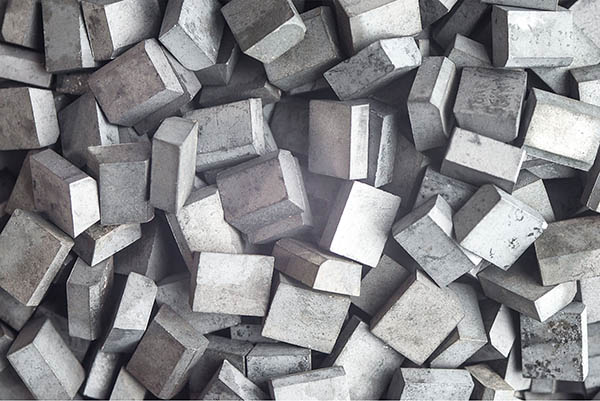
The transaction gives Energy Fuels control of ASM’s Korean Metals Plant at Ochang, where existing production capacity includes 1,300 tonnes a year of neodymium-iron-boron alloy. The plant also carries out commercial metallisation of neodymium-praseodymium and is developing capability for dysprosium and terbium, two heavy rare-earth elements used in permanent magnets where high-temperature performance is particularly important.
The Korean operation is already being expanded. Energy Fuels plans to increase NdFeB alloy capacity to 3,600 tonnes annually, with commissioning possible as early as the end of 2026. The company estimates that level of output could supply enough alloy for more than one million electric vehicles each year, although actual demand will depend on magnet specifications, qualification, yields, and the mix of downstream customers.
The acquisition moves Energy Fuels further along a manufacturing chain considerably more complicated than the phrase ‘critical minerals’ sometimes suggests. A rare-earth deposit is only the beginning: ores have to be mined and concentrated, individual elements separated chemically, oxides converted into metals, metals combined into controlled alloys, and those alloys subsequently manufactured into permanent magnets.
Each stage requires different plant, technical expertise, environmental controls, and quality systems. Supply-chain resilience therefore depends less on possession of a mineral resource than on having sufficient qualified capacity through all the intermediate processes needed to turn that resource into a component manufacturers can actually use.
Energy Fuels already produces separated rare-earth products at its White Mesa Mill in Utah and has been developing additional capability around dysprosium and terbium oxide. Bringing the Korean Metals Plant into the group provides a downstream route from those separated materials into metals and alloys rather than relying entirely on external conversion capacity.
That is particularly relevant for permanent magnets, where relatively modest quantities of specialised material support much larger industrial systems. High-performance NdFeB magnets are used in electric motors, industrial automation, robotics, wind turbines, electronics, aerospace systems, and defence equipment, making the reliability of upstream processing disproportionate to its physical volume.
ASM also brings the Dubbo Project in New South Wales into the Energy Fuels portfolio. Dubbo contains rare earths and other critical materials and potentially adds another long-term source of feedstock alongside mineral-sands interests already held by Energy Fuels in Australia, Brazil, and Madagascar.
Those resources remain at different stages of development, so ownership should not be confused with available production. Mine construction, processing routes, financing, permitting, infrastructure, and customer qualification still have to be resolved before a geological resource becomes a dependable industrial feedstock.
The company is attempting to extend its integration one stage further through a separate proposed acquisition of permanent-magnet manufacturer Vacuumschmelze. If completed, that transaction would add finished magnet manufacturing to a portfolio spanning mineral extraction, separation, metallisation, and alloy production.
Western governments and manufacturers have been trying to diversify this chain because rare-earth processing remains heavily concentrated geographically. Developing mines outside the dominant producing regions improves security only partially if concentrates or separated materials still have to pass through the same restricted group of metal, alloy, and magnet plants.
The Korean acquisition addresses one of those less visible bottlenecks. Metal and alloy manufacture requires control over composition, contamination, temperature, atmosphere, and material consistency, with output subsequently expected to meet customer specifications that can be particularly demanding in automotive, aerospace, and defence markets.
Expanding nominal capacity is therefore only one step towards creating qualified industrial supply. Manufacturers need material to perform consistently across repeated production batches, while any change in feedstock, process route, or manufacturing location may require additional validation before an established customer will accept it.
Vertical integration can improve traceability and reduce reliance on external processors, but it also concentrates more operational responsibility within one company. Energy Fuels will have to coordinate oxide production in the United States, alloy manufacture in South Korea, mineral assets across several jurisdictions, and potentially permanent-magnet production elsewhere.
That creates requirements around logistics, inventory, quality systems, process control, technical standards, and customer approvals extending across several regulatory environments. The chain may be more secure because fewer independent suppliers sit between stages, but it is not necessarily simpler to operate.
ASM’s shares have now been delisted from the Australian Securities Exchange following completion, so the corporate transaction itself is finished. The more important milestones now sit inside the production system: commissioning the Ochang expansion, increasing qualified alloy output, and connecting that capacity reliably with upstream rare-earth material and downstream magnet customers.
At 3,600 tonnes annually, the Korean plant would give Energy Fuels a meaningful position in a processing stage that has been difficult to replicate outside established Asian supply chains. The acquisition has assembled the assets; proving that a geographically distributed mine-to-magnet strategy can deliver material consistently enough for industrial customers will be the rather less ceremonial part.