AXISCADES Technologies is acquiring a majority stake in Bengaluru precision manufacturer Cloud Wave Technologies at an enterprise valuation of approximately ₹260 crore, adding seven operating factories as it expands further from engineering services into aerospace production.
The company’s board approved the acquisition on 28 August. The valuation remains subject to completion accounts and adjustments under the definitive agreements, while separate market disclosures indicate AXISCADES intends initially to acquire 90% of the target.
Cloud Wave provides immediately available manufacturing capability rather than a future construction project. Founded in 2014, the business operates seven units and holds AS9100D aerospace quality certification.
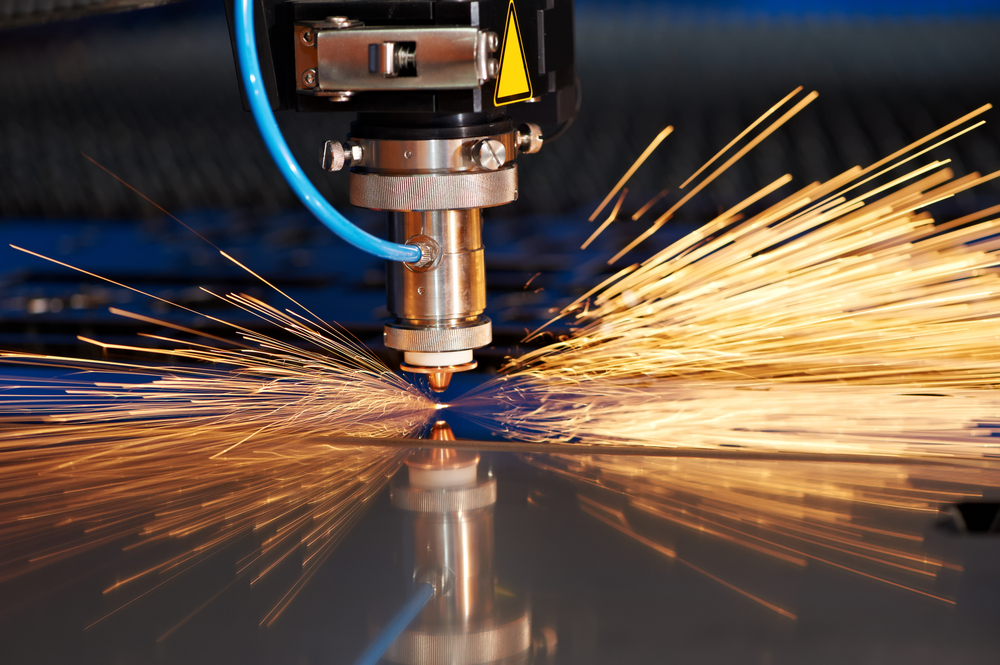
Its production processes include precision machining, sheet-metal fabrication, tooling, plastic injection moulding, 3D printing, and surface treatment. Customers span aerospace and defence and semiconductor markets across both domestic and export programmes.
AXISCADES expects Cloud Wave to generate around ₹180 crore of revenue during FY27 at an EBITDA margin of approximately 22%. Those figures remain company forecasts, but they indicate the scale of business AXISCADES expects to bring into the group alongside the physical production assets.
The acquisition forms part of the company’s Power 930 growth plan and is intended to accelerate development of its aerospace manufacturing platform. AXISCADES already works across product engineering, defence, electronics, semiconductor technology, automation, and systems integration, but ownership of certified production facilities puts it further into the hardware supply chain.
That shift is more substantial than adding another engineering office. Manufacturing aerospace parts introduces machine utilisation, cutting tools, fixtures, metrology, material traceability, special processes, production planning, maintenance, scrap control, inspection, and shop-floor quality systems alongside the engineering capability already present in the business.
AS9100D certification gives Cloud Wave an established quality-management framework for aerospace work, although individual customer and programme approvals still have to be maintained separately. Certification does not itself guarantee orders, but acquiring an operating supplier avoids some of the time required to build production disciplines, trained labour, documentation, and delivery history from scratch.
The seven-unit footprint also broadens the range of processes available internally. Precision machining and sheet-metal fabrication cover conventional metallic parts and assemblies, while tooling, polymer moulding, additive manufacturing, and surface treatment allow a greater proportion of a component programme to be coordinated through one supplier group.
That can shorten supply chains where multiple specialist vendors would otherwise handle successive production stages. It can also improve control of lead times and engineering changes, provided the acquired plants can be integrated without disrupting the customer approvals and local operating practices that made them useful in the first place.
AXISCADES is pursuing new-build capacity in parallel. The group is developing a Centre for Advanced Manufacturing at Devanahalli Aerospace Park near Bengaluru, comprising a planned 240,000 sq ft facility on a 20-acre campus.
The centre is intended to consolidate and expand manufacturing activities for global original-equipment manufacturers, giving AXISCADES a second route to growth alongside the Cloud Wave acquisition. One provides operating capacity immediately, while the other allows future processes and factory layout to be designed around the group’s longer-term production requirements.
Running both strategies simultaneously creates its own integration task. Existing plants arrive with established machinery, staff, customers, systems, and methods, while a greenfield facility creates the opportunity to standardise equipment, data, automation, inspection, and material flow from the outset.
Combining the two without creating duplicated equipment or fragmented quality systems will be one of the less visible challenges behind the expansion. Aerospace customers expect configuration control and repeatability regardless of which building manufactures the part.
The semiconductor element adds another dimension. Components and production equipment used in semiconductor markets can demand tight tolerances, clean process discipline, specialised materials, traceability, and repeatability, creating useful overlaps with precision aerospace manufacturing even though qualification and customer requirements differ substantially.
AXISCADES has also identified internal demand for metallic manufacturing across its defence and electronics activities. Greater captive capacity can reduce dependence on external suppliers for selected parts, but economics will still depend on machine loading, batch size, process capability, and whether internal programmes use the acquired equipment consistently enough to justify the capital tied up in it.
The group is targeting domestic opportunities with organisations including HAL, ADA, and DRDO alongside work for international OEMs and Tier 1 suppliers. India’s continued push to increase local aerospace and defence manufacturing gives suppliers an incentive to deepen domestic production capability rather than remain concentrated solely on design and engineering services.
Moving further into manufacture also changes AXISCADES’ exposure to operational risk. Engineering businesses can scale partly by adding skilled labour; factories require capital equipment, material inventory, maintenance, quality assurance, supplier management, and sufficient orders to keep expensive machines occupied.
Cloud Wave therefore provides a shortcut into that environment, but not a shortcut around it. Seven functioning production units, certification, employees, and existing customers offer a far quicker starting point than constructing capability from an empty site, while the Devanahalli project can add capacity around a more unified long-term manufacturing strategy.
The acquisition still has to complete, and the forecast FY27 performance remains to be delivered. After that, the measure of the strategy will be less concerned with enterprise valuation than whether AXISCADES can keep seven acquired factories, a new 240,000 sq ft centre, and an expanding aerospace order book operating as one manufacturing system. Corporate integration has paperwork; aerospace integration has tolerances.