Minera Roof Trusses and sister company Ty Eco MMC are expanding manufacturing operations in Wrexham, redeveloping a vacant industrial site and investing in specialist machinery, automation, and production infrastructure.
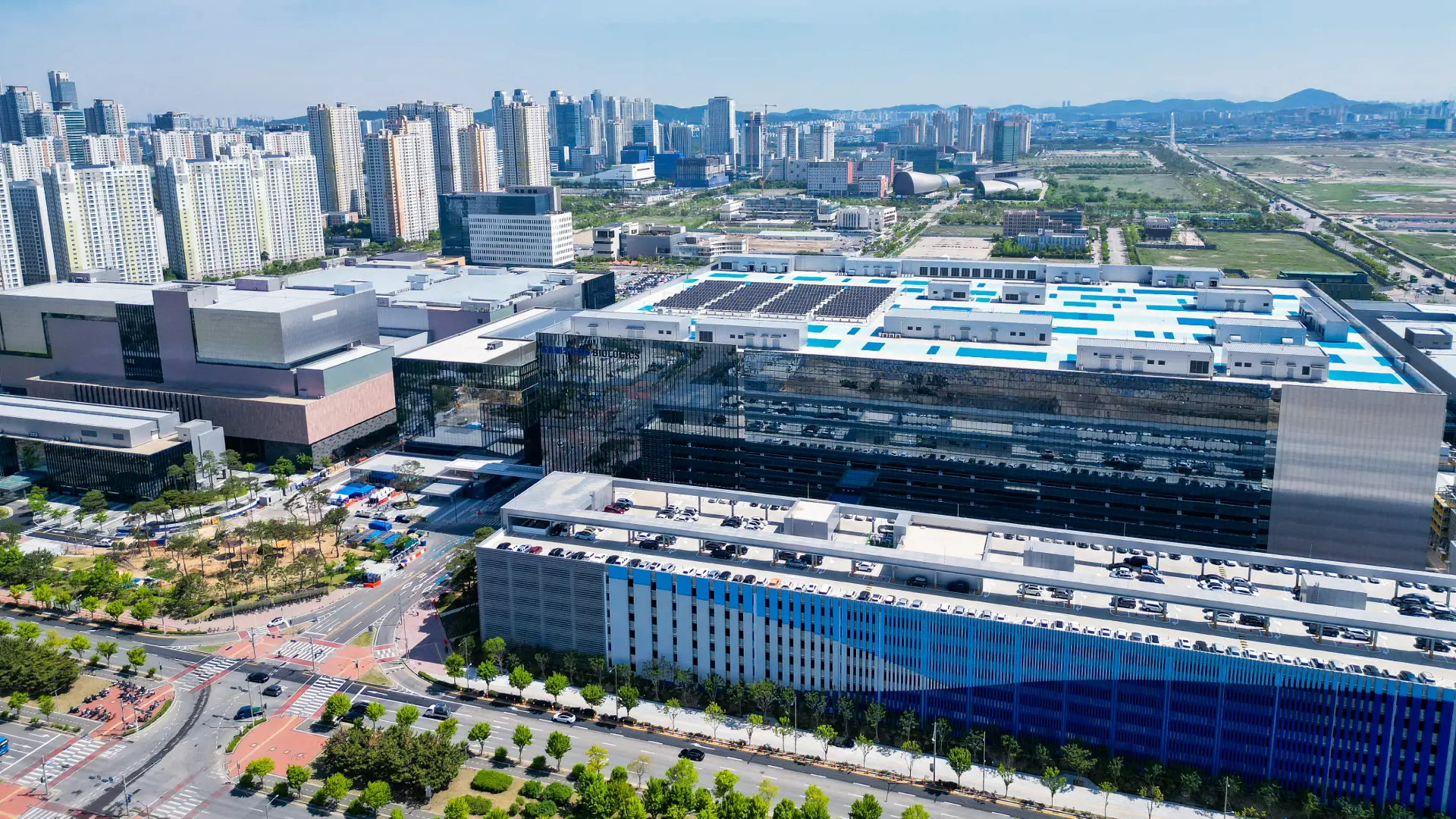
The companies are converting the former Tomlinson’s Dairy site at Five Crosses Industrial Estate in Minera into a manufacturing operation known as Ty Coed. The building has been vacant for around eight years and will allow the group to expand without moving away from its established local manufacturing base.
The project will modernise Minera Roof Trusses’ existing roof-truss production while giving Ty Eco substantially more space for timber-frame manufacture. Ty Eco currently has capacity to supply timber-frame packages for approximately 15 to 20 homes each year.
Once Ty Coed is fully operational, the company expects annual capacity to rise to between 300 and 500 homes. That increase changes the production challenge considerably, requiring machinery, material flow, design information, quality control, scheduling, and labour to operate at a far higher and more consistent rate.
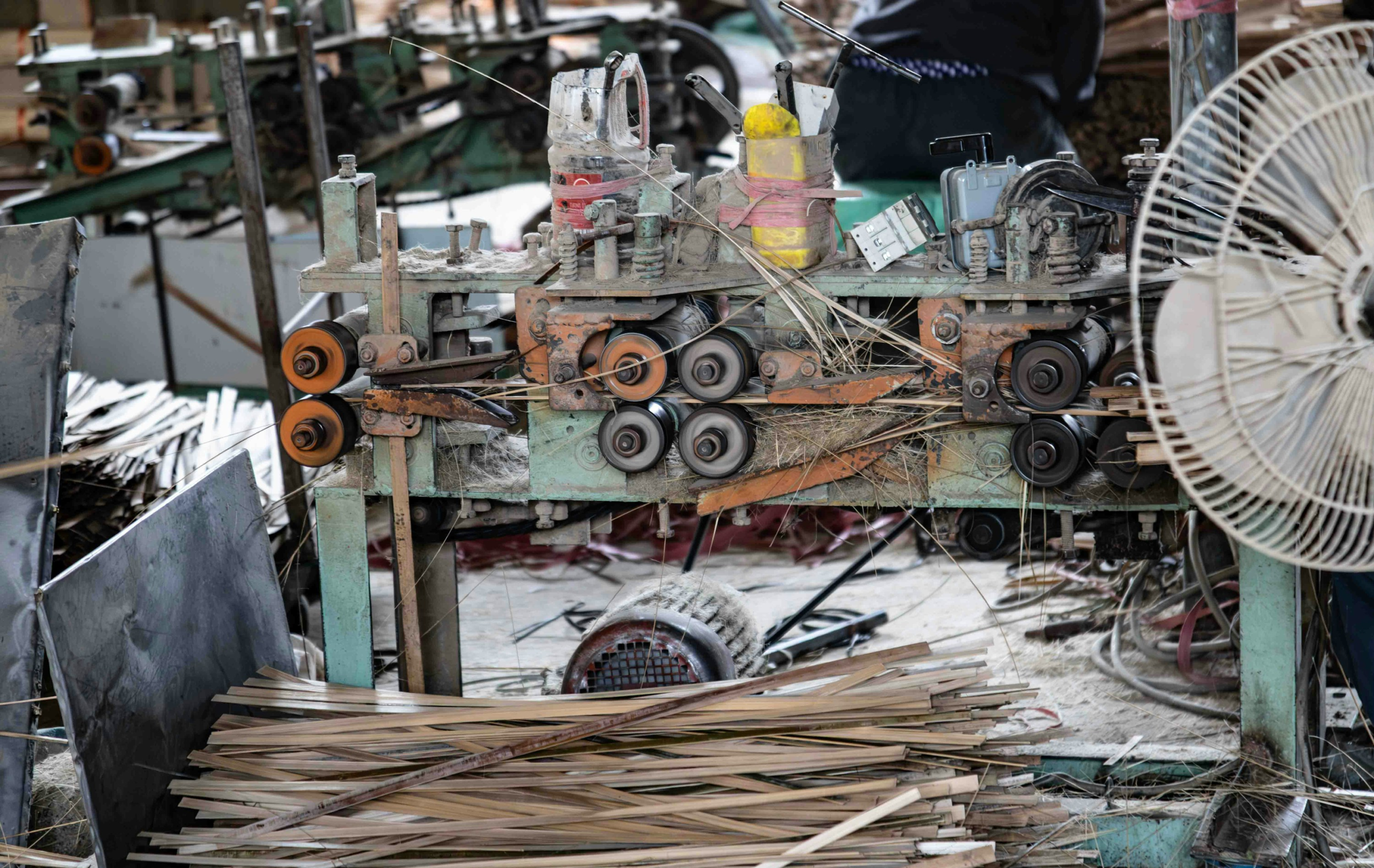
The investment is being supported through the Flintshire and Wrexham Investment Zone’s SME Manufacturing Grant. Funding is being directed towards specialist machinery, automation, and supporting production infrastructure across both businesses, with the stated aim of increasing output and manufacturing accuracy.
Ty Eco produces conventional timber frames alongside highly insulated systems intended for low-energy and Passivhaus construction. Increasing the proportion of a building manufactured in controlled factory conditions can improve dimensional consistency and reduce exposure to weather, but only if design, machining, assembly, transport, and site installation remain closely coordinated.
Greater output therefore requires more than additional floor space. Timber-frame manufacturing converts detailed digital and engineering information into project-specific physical assemblies, often with limited tolerance for rework once components have left the factory and construction has moved to the next stage.
Automation can increase repeatability in cutting, positioning, handling, and assembly, while reducing some routine manual operations. It also increases dependence on machine programming, preventative maintenance, accurate material data, and production planning — a stopped automated line can create a rather larger problem than a slow manual process.
Minera Roof Trusses has manufactured roof trusses since 1977 and says it has designed, produced, and transported more than one million trusses. Its products are manufactured to individual project specifications for builders, architects, engineers, and other construction customers.
That project-specific model makes timing particularly important. Roof structures and timber-frame packages have to reach site when preceding work is ready to receive them, and factory delays can quickly become construction delays when cranes, labour, and follow-on trades are already scheduled.
John Small, group director of Minera Roof Trusses and Ty Eco MMC, said: “Ty Coed gives us the opportunity to invest in modern manufacturing technology, create further skilled employment and build upon almost 50 years of continuous operation within the local community.”
The development is expected to support additional jobs, apprenticeships, and technical training as output rises. The businesses also intend to retain their existing local workforce, with the move allowing the group to modernise production without relocating away from Minera.
There is a secondary industrial effect from the property move. Bringing the former dairy back into productive use will reactivate a sizeable vacant unit, while relocation from the group’s existing premises will release those buildings for other occupiers.
For smaller manufacturers, capital investment of this type can create a substantial increase in nominal output, but the machinery is only one part of the equation. Higher volume requires enough customer demand, reliable supplies of timber and associated components, trained operators, inspection capability, maintenance cover, and logistics able to move large building assemblies without creating another bottleneck outside the factory.
The move towards off-site and factory-based construction also places greater emphasis on design control. A dimensional error discovered on a traditional site can sometimes be corrected during construction; an error repeated across automated factory output can be reproduced rather efficiently before anyone notices it.
Ty Coed is intended to give the companies enough production infrastructure to compete for larger residential and commercial programmes while maintaining the project-specific approach around which the businesses developed. Work is already under way at the new premises.
The capacity figures provide a clear measure for the project. Ty Eco is planning to progress from tens of housing packages annually to several hundred, while Minera Roof Trusses modernises an operation approaching its 50th year. The challenge now is to make machinery, design, labour, material supply, and construction schedules expand at roughly the same rate.