Rolls-Royce and the UK Government have agreed a framework for a jointly funded £2.5 billion research and technology programme over ten years, directed at new civil and defence aircraft engines. The work would support development and testing of technologies for future single-aisle passenger aircraft, alongside gas turbine engineering relevant to military aviation. Government funding under the framework will depend on final terms, affordability, value-for-money and legal approvals.
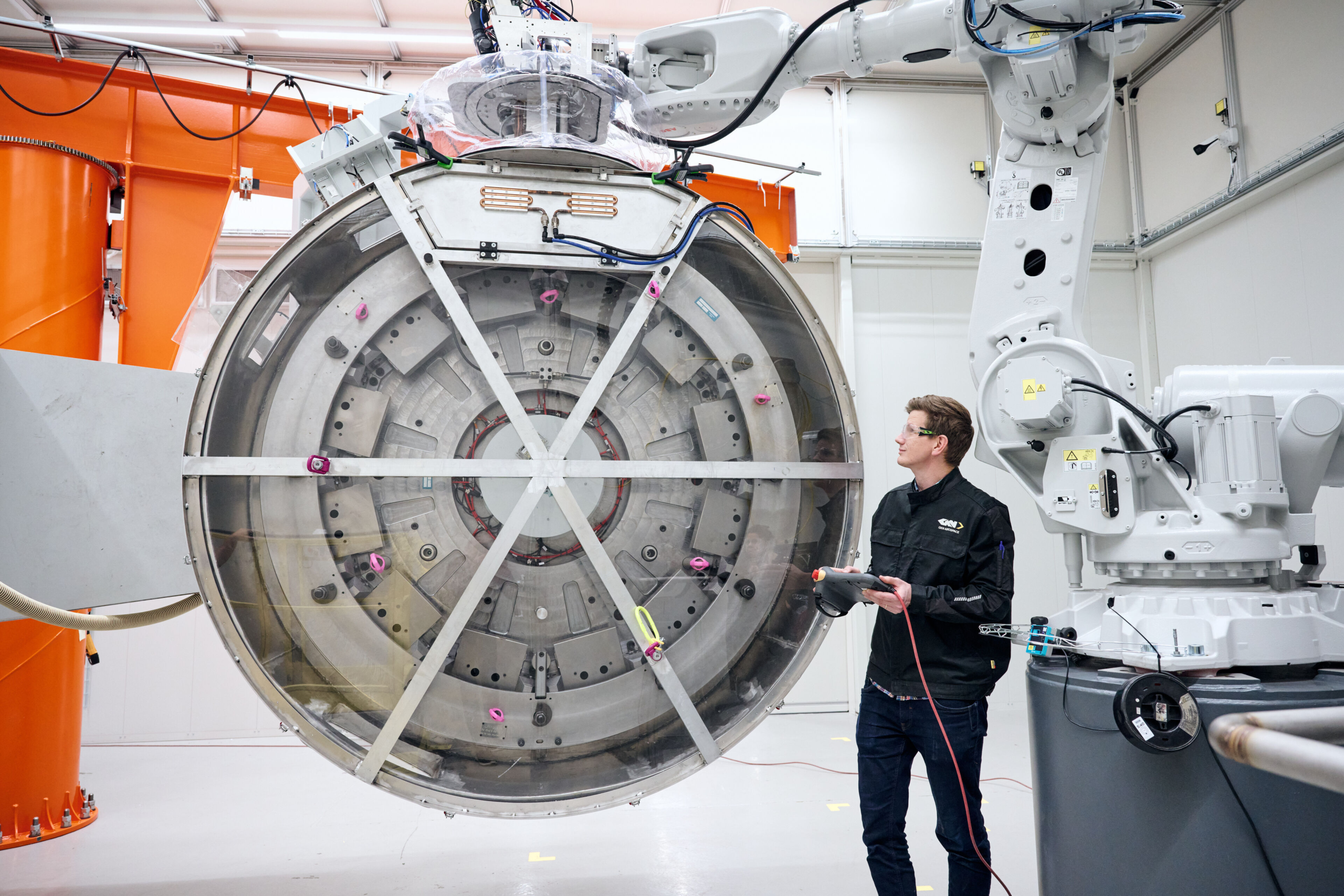
The proposed programme includes an engine demonstrator and research involving advanced materials, precision manufacturing, electronics, robotics and artificial intelligence. It would sustain UK engineering and test facilities while Rolls-Royce develops technology for the next generation of narrowbody aircraft. A future aircraft propulsion contract would depend on the selection of an engine by an airframe manufacturer and the associated certification, industrial and service arrangements.
Single-aisle aircraft account for a large share of passenger jet production and operate frequent short- and medium-haul sectors. Engine programmes in this market must balance fuel consumption, weight, durability and overhaul intervals across thousands of flights. Moving from a demonstrator to a commercial powerplant requires integrated design, extensive ground and flight testing, production qualification and aircraft certification, followed by a service network able to support large fleets.
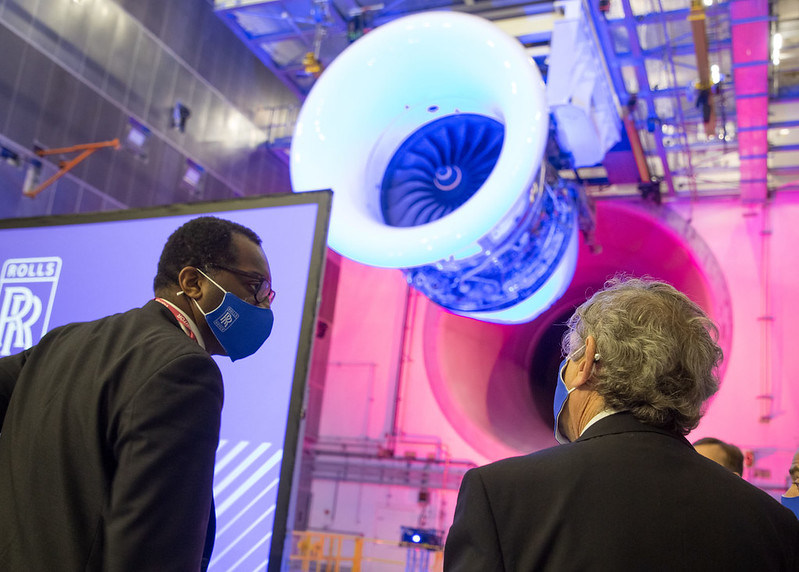
Rolls-Royce’s UltraFan research provides the technical basis for parts of the proposed work. Its UltraFan 80 widebody demonstrator has undergone ground testing, while the smaller UltraFan 30 is aimed at future narrowbody applications. The company is targeting ground testing of UltraFan 30 in 2028 and a 20% fuel-burn improvement against today’s in-service narrowbody engines. That target will be tested through development and subsequent engine qualification, rather than assumed from demonstrator designs alone.
The earlier UltraFan 80 tests at Derby generated measurements from thousands of instrumented parameters, helping engineers assess components and system interactions under controlled conditions. Such campaigns produce evidence for changes to compressor and turbine design, materials and engine controls before a later product programme enters certification. The UltraFan 30 demonstrator will provide another stage of technical evidence for a potential narrowbody engine offering.
The civil and defence elements share research needs in high-temperature materials, precision components and advanced manufacturing processes. Their final designs still have different operating envelopes, mission profiles and qualification requirements. Technology that proves effective in one test programme must be adapted and validated for the aircraft and engine duty in which it is eventually used.
The planned engineering work would reach beyond engine assembly into suppliers producing castings, forgings, machined components, coatings, control electronics and specialised testing equipment. Aerospace production requires material traceability, stable manufacturing processes and inspections that establish each component’s conformance. Building those capabilities during development helps ensure that parts demonstrated successfully can later be produced in repeatable quantities with the required quality.
The initial programme is expected to support about 3,300 existing jobs at Rolls-Royce and its UK partners by the end of 2029. Its longer-term employment potential depends on winning a position on a future single-aisle aircraft platform, which could lead to tens of thousands of additional roles over subsequent decades. These estimates reflect the scale of aircraft-engine development and manufacturing if Rolls-Royce secures a commercial programme.
Rolls-Royce also expects a successful narrowbody engine programme to attract further long-term investment in UK engineering and production. Development activity would help maintain manufacturing skills and test capability while aircraft manufacturers define the requirements of future platforms. The location and scale of any eventual serial-production work would be decided alongside customer commitments and the industrialisation programme.
Higher turbine operating temperatures offer a route to improving thermodynamic efficiency, but they impose greater demands on blade cooling, coatings and the mechanical behaviour of materials. Digital design, simulation and inspection can help evaluate these interacting constraints. Engine test data must then establish that the selected components withstand thermal cycling, pressure loads and the maintenance intervals expected in airline operation.
New engine components also have to be manufactured repeatedly within tight dimensional and material limits. Qualified casting and machining processes, non-destructive inspection and traceable production records underpin reliable performance over long service periods. Suppliers involved during development can adapt processes and inspection methods as designs mature, reducing the risk of disruption when production volumes eventually increase.
The next steps are to complete the terms of the cooperation programme, secure the required funding approvals and progress defined demonstrator milestones, including UltraFan 30 ground testing. That development work will determine the technology available when aircraft manufacturers make decisions on the engines for their next generation of single-aisle jets.