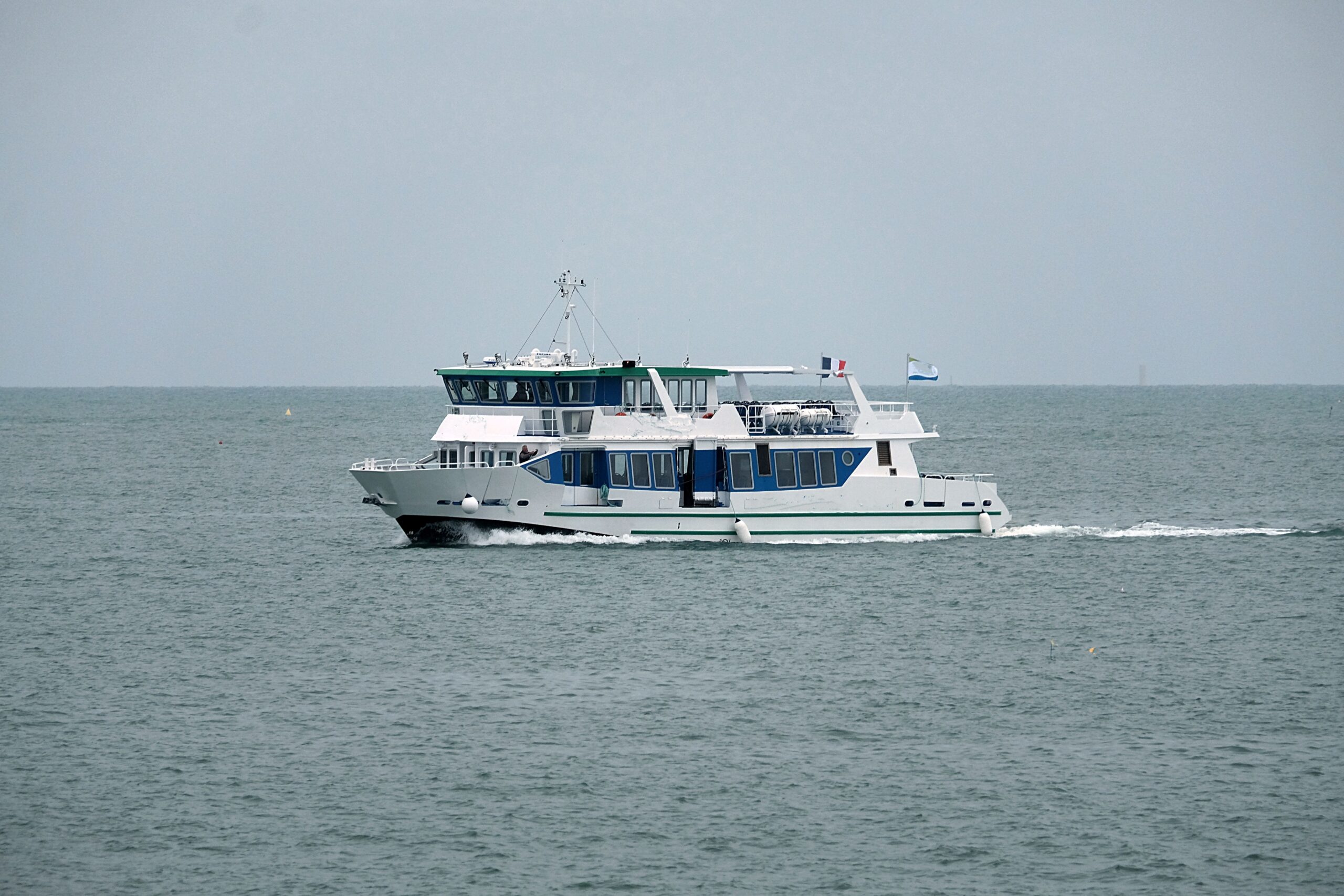
Chartwell Marine, the Southampton naval architecture business, has designed a 70-foot catamaran ferry that Derecktor Shipyards will build for the Georgia Department of Natural Resources in the United States. The 150-passenger vessel is intended to connect Meridian Dock on the mainland with Marsh Landing Dock on Sapelo Island, carrying residents, visitors, researchers and supplies. Construction is scheduled to begin at Derecktor’s Dania Beach yard in Florida before the end of 2026.
The ferry will become the island’s primary vessel, with the existing state-operated ferry retained as a reserve. That operating arrangement provides a second craft for periods when the replacement requires maintenance or cannot sail. Chartwell’s design takes account of the docking infrastructure and boarding arrangements on the route, while Derecktor will undertake the physical construction, outfitting and trials in Florida.
Sapelo Island depends on the state ferry for everyday journeys, research activity and the movement of supplies because it has no road connection to the mainland. Passengers travel alongside loads that can include building materials and scientific equipment. The new craft must therefore support embarkation, circulation and cargo handling within the constraints of the island’s existing shore facilities and the scheduled service.
A 70-foot, approximately 21-metre catamaran uses two hulls linked by a bridging structure. That arrangement provides a wide platform for passenger accommodation and cargo within a relatively short overall length, while stability and motions depend on hull geometry, weight distribution and sea conditions. The designer must assess the combination of passenger load, equipment and cargo against the route and the vessel’s safety requirements before the construction details are finalised.
Chartwell is drawing on its offshore wind vessel experience, which includes repeated transfers and operation around constrained landing points. The Georgia project extends that engineering work into a passenger and cargo service, with vessel design carried out by the UK team and hull fabrication, machinery installation and outfitting assigned to the US shipyard. The contract therefore combines British naval architecture with new construction capacity at Derecktor’s Florida operation.
Boarding arrangements must work with the existing landing points, where vessel loading and water levels can alter the relative position of the deck and shore. Chartwell has focused on passenger accessibility and mooring compatibility so the ferry can use the route’s docks while carrying people and varied supplies. These interfaces will need to be reflected in fabrication drawings and confirmed during the vessel’s trials.
Chartwell has sought to preserve the appearance of the existing ferry while adapting boarding and mooring arrangements to the dock infrastructure. The design process also has to establish structural strength, intact and damage stability, access for inspections and the arrangement of safety equipment. Those requirements shape how people and mixed cargo can be accommodated without obstructing passageways or working areas during crossings and docking.
Derecktor plans to begin building the vessel before the end of 2026 as its Florida new-construction capability expands. Procurement, fabrication and assembly will be followed by machinery installation, onboard system checks and trials. Passenger service can begin after the completed ferry satisfies the requirements for its intended operation and is accepted by the state operator.
The shipyard must integrate propulsion, steering, electrical distribution, communications and safety equipment within the catamaran’s hulls and deck structure. Maintenance access is especially important where the vessel forms part of an island’s principal transport connection. Arranging components so that engineers can inspect and service them efficiently can help limit time out of operation once the craft enters service.
Chartwell and Derecktor have previously worked together on smaller craft for offshore wind operations. A Chartwell-designed 12-metre daughter craft was delivered in 2025 for deployment from a service operation vessel supporting the Coastal Virginia Offshore Wind project. Their new assignment extends that working relationship into a scheduled passenger and freight service, and marks Chartwell’s first commercial ferry design in the United States.
Normal ferry operations will need to continue while the new craft is under construction. After fabrication and outfitting, docking trials, system checks and crew familiarisation will precede routine service. With the new vessel in operation, inspections and maintenance can be scheduled against the availability of two craft, helping maintain the island’s connection for passengers, essential goods and research equipment.
Construction at the Dania Beach yard is the next scheduled milestone. Chartwell’s route-specific design will then pass through fabrication, outfitting, testing and acceptance before the catamaran replaces the current primary ferry. The project adds a US passenger vessel assignment to the Southampton firm’s marine engineering work.