DT&G Engineering has secured a six-figure finance package through NPIF II – FW Capital Debt Finance to support a major contract for its chocolate coating machinery and respond to higher overseas demand. The Wirral manufacturer builds its equipment under the DTG Finn brand and plans to use the working capital to complete orders while continuing work for customers in Europe and further afield. Its machinery remains manufactured in the Liverpool City Region, with projects also identified in the United States, Poland and Turkey.
The Northern Powerhouse Investment Fund II is managed by the British Business Bank, with FW Capital providing this debt finance. DT&G previously secured FW Capital backing in 2015, 2018 and 2024, making the latest facility its fourth funding arrangement with the investor. Manufacturing contracts require spending on components, skilled labour and assembly before the final machinery is delivered and paid for. The new working capital supports a major order already secured by the company and its existing export programme.
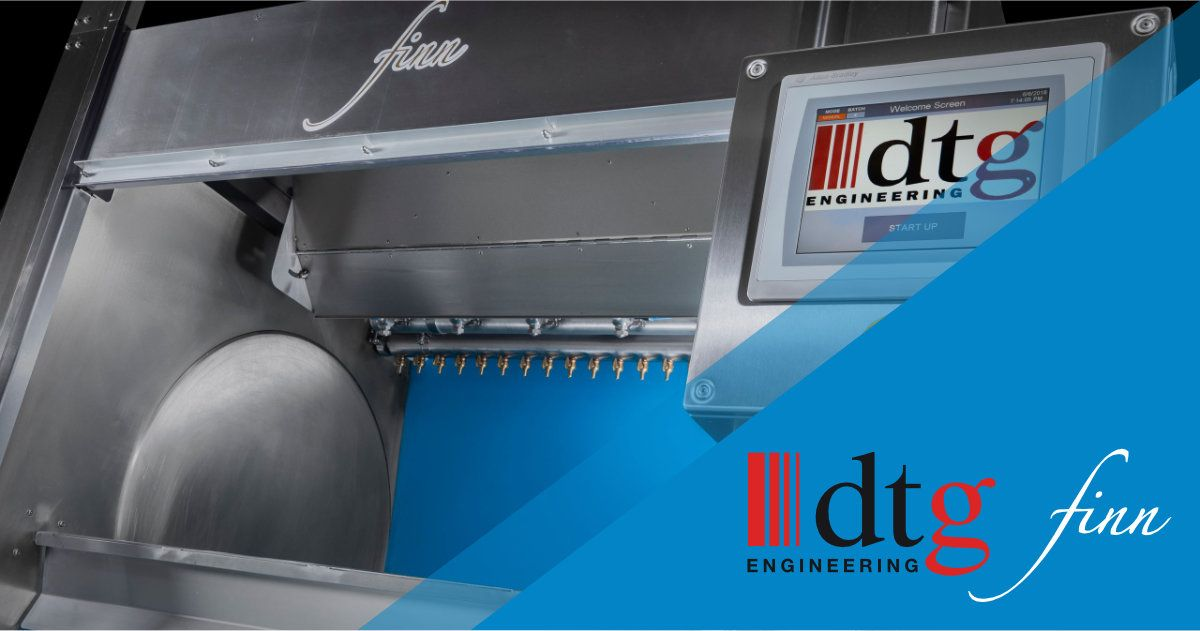
DT&G was established in a Birkenhead workshop in 1962 and now designs and builds specialist equipment for confectionery plants. Its Finn machines are used to coat and polish confectionery products, with processes configured for different product sizes, ingredients, finishes and throughput requirements. The company supplies equipment to customers worldwide and supports commissioning and operator training. The contract adds to the workload of the existing Wirral engineering plant, where the machinery is designed and assembled for overseas customers.
Chocolate coating and polishing equipment controls how confectionery moves through the process, the quantity of coating introduced and the conditions under which a consistent finish develops. In a belt coater, the belt supports the product as it passes through the treatment stage, while the coating and subsequent polishing steps are matched to its characteristics. Temperature, residence time and the physical behaviour of the product can affect whether a process delivers a repeatable appearance without damage during handling.
DTG Finn lists belt coaters and polishers with capacities from 78 to 680 litres, giving customers different sizes of processing equipment. The Finn range includes manual, semi-automatic and automated recipe control, with dashboards and reporting to help production teams track settings. Remote assistance is available for customer equipment after installation. Machine size, control specification and integration with a wider line vary according to the product and production duty.
Consistent batches require operators to coordinate the product load, coating addition, treatment time and finishing procedure. A recipe-based control system makes those settings repeatable between production runs, while recorded process data helps teams review a change in product quality or throughput. Plants producing multiple confectionery ranges also need to account for cleaning and changeover time when they switch between recipes and arrange production shifts.
The Finn range has used ThermoDrive belt technology since 2015 and can be supplied as part of a wider equipment installation with machines from manufacturing partners. Integrating a coater with upstream preparation, downstream handling and packaging equipment adds mechanical, control and commissioning requirements beyond those of a single machine. Contract delivery therefore depends on aligning the equipment design with the customer’s factory layout, production sequence and acceptance tests.
An overseas machinery order can tie up cash in bought-in components, machining, assembly and specialist installation work long before a customer accepts the equipment. Delivery and commissioning abroad also extend the period between placing component orders and completing a contract. DT&G’s finance is structured to support this production cycle as European sales and machine orders increase, allowing the Wirral workshop to progress the contracted equipment alongside other customer work.
Managing director Lyn Pitt has linked the growth in European sales with increasing machinery orders and demand for investment in working capital. The finance supports the company’s existing employment and apprenticeship activity on the Wirral. Technicians designing, fabricating, assembling and commissioning machines remain part of the delivery process even when the completed equipment is destined for a confectionery plant overseas.
The £660 million Northern Powerhouse Investment Fund II provides finance to smaller businesses across the North of England. Its debt facilities range from £25,000 to £2 million, alongside separate equity investment options of up to £5 million. DT&G’s package is debt funding for its engineering contracts, giving the business capital to bridge manufacturing expenditure and payment milestones while retaining the production operation in the Liverpool City Region.
As orders move through engineering and assembly, the company must coordinate fabrication slots, components, controls integration and final acceptance with customers in different markets. The six-figure package provides working capital for that schedule, supporting the conversion of confirmed contracts into completed coating and polishing machines built on the Wirral.