The Department for Transport has published evidence showing the scale of the electrical infrastructure challenge facing UK ports, with respondents estimating that future power requirements could rise to between two and ten times their current grid capacity.
The findings come from the government’s net zero ports call for evidence, which received submissions from 65 organisations including port companies, shipping operators, technology suppliers, trade bodies, academics, consultants, and infrastructure organisations.
Existing electrical capacity varies substantially between ports. The median grid capacity reported for individual locations was 5.5MW, while the mean was 11.73MW, and several respondents said their sites were already operating close to the limits of existing connections during periods of peak demand.
Future requirements are substantially larger. Port companies responding to the exercise estimated that electricity capacity could need to increase by between two and ten times, reaching around 91MW on average as port operations, customers, vessels, and new energy activities place additional loads on local networks.
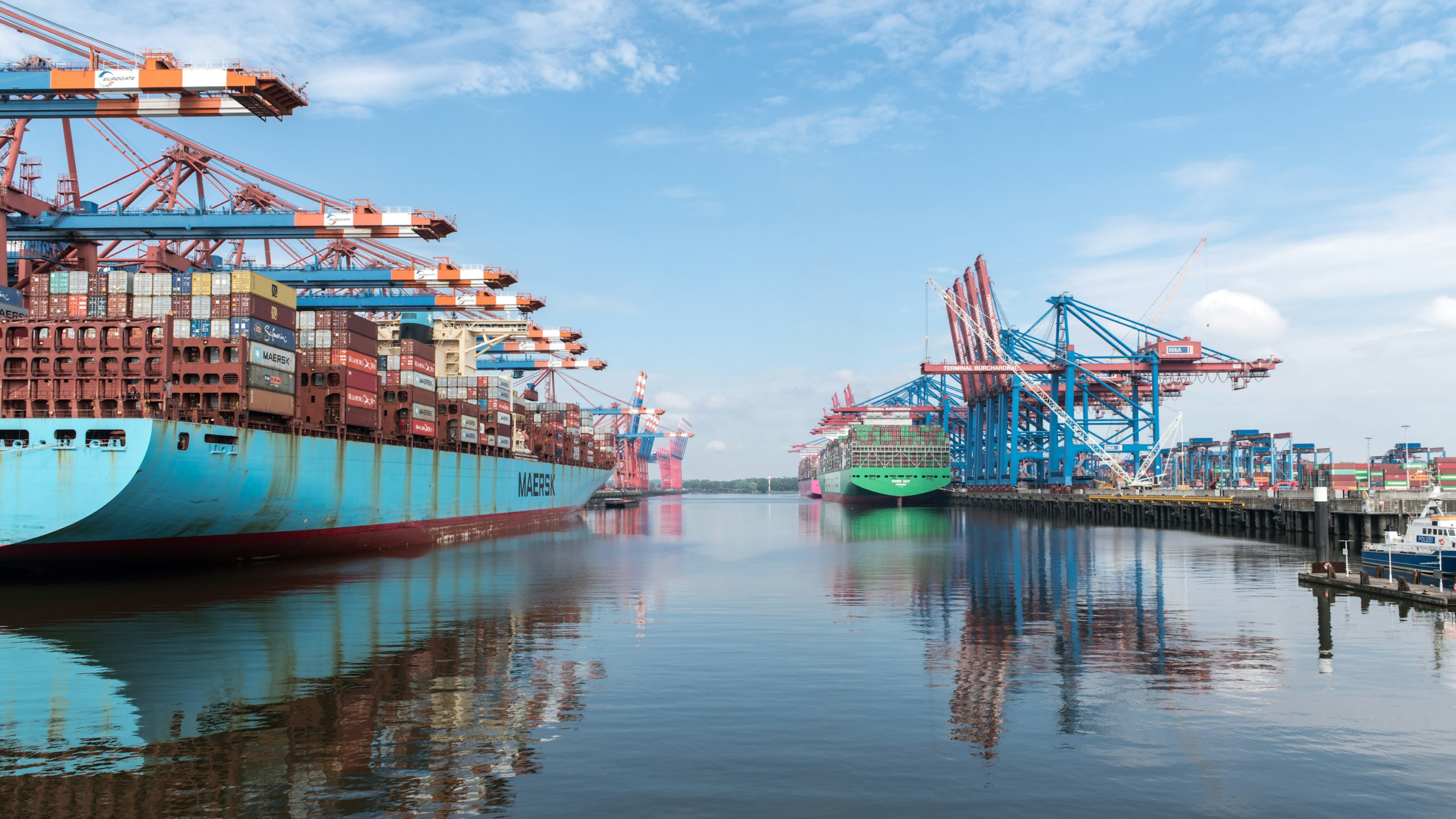
Shore power is only one element of the increase. Ports are also preparing for electric cranes, forklifts and other handling equipment, vessel charging, road-vehicle charging, greater electricity use by tenants, and potential production or handling of lower-carbon fuels including hydrogen, ammonia, and methanol.
The resulting load profile is more complicated than a simple increase in annual consumption. Cargo operations and vessel arrivals create large and variable peaks, while shore-power connections can place substantial loads on a network for limited periods when ships are alongside.
Charging terminal equipment creates another scheduling problem because batteries have to be replenished around operating shifts rather than whenever electricity happens to be most convenient. Storage, onsite generation, flexible connections, and energy-management systems can reduce peaks, but they cannot substitute indefinitely for adequate network capacity.
The evidence indicates that obtaining additional capacity is already proving difficult. Some respondents cited grid-connection lead times of up to 15 years, while one port that had initially been offered phased connections before 2030 was subsequently told that a connection could not be provided until 2039 because of wider transmission-system effects.
Those delays affect investment beyond the electrical connection itself. Respondents said inadequate grid capacity can discourage spending on electric vessels, shore-power equipment, charging infrastructure, and clean-fuel production because the assets cannot operate commercially without sufficient electricity at the site.
Ports also reported direct economic consequences. The government summary records respondents saying that inadequate electricity supply had contributed to lost opportunities, while some warned that cruise and ferry operators could favour European ports where shore power is easier or cheaper to obtain.
The infrastructure costs are substantial even when electricity is available. Estimates submitted for shore-power and charging installations ranged from comparatively modest individual berth projects to systems costing more than £20 million, depending on vessel demand, site configuration, connection requirements, and the amount of associated electrical work.
Implementation times are measured in years rather than months. Respondents generally expected alternative-fuel and charging infrastructure to require five to ten years, with some projects potentially taking longer once grid reinforcement, planning, equipment procurement, civil works, and commissioning are included.
The technical programme extends well beyond installing chargers at the quayside. Higher-capacity port connections may require new substations, transformers, switchgear, protection systems, high-voltage cabling, metering, controls, and reinforcement elsewhere on the distribution or transmission network.
Ports also have to coordinate those assets with tenants whose operating patterns and future power requirements may be difficult to forecast. The government’s evidence highlights fragmented ownership and operational arrangements across ports, terminal operators, shipping companies, network operators, and infrastructure providers, making joint planning as important as the hardware itself.
The issue sits directly alongside the UK’s maritime decarbonisation programme. Cutting emissions from domestic shipping increasingly depends on shore-based infrastructure capable of charging batteries, supplying ships at berth, and supporting new fuel production and handling systems.
Electrification therefore turns the grid connection into productive port infrastructure rather than a peripheral utility service. A quay equipped for shore power is of little practical value if the local electrical network cannot supply it when a large vessel arrives, just as an electric handling fleet creates little benefit when charging requirements exceed the capacity available between shifts.
The government’s response acknowledges that the evidence represents a snapshot and does not account fully for connection reforms introduced since the original call for evidence. Even with those reforms, however, the physical requirement remains: substantially more power has to reach industrial sites whose operating demand is becoming both larger and more variable.
Ports are accustomed to planning assets with long operating lives, from quays and cranes to warehouses and rail connections. Electricity infrastructure is joining that list. When some connection offers are measured against a 15-year horizon, the grid is no longer simply supporting port decarbonisation — it is helping determine how quickly the equipment can be installed at all.