Bramley Engineering has established a sister business, Bramley Aerospace, following the acquisition of SFM Technology’s assets, goodwill and intellectual property by Bramley Precision Aerospace Ltd. The transaction brings an established manufacturing operation in Martock, Somerset, into the Bramley group alongside its specialist lifting engineering activities. Neither the purchase price nor financial terms have been disclosed.
The Martock site will operate under two brands with different markets and applications. Bramley Aerospace is intended to provide design, precision machining, fabrication and assembly, while Bramley Harvesting will continue the fruit harvesting machinery activity developed at the location over several decades. The acquiring business says the existing manufacturing premises, specialist equipment and experienced team will support the transition.
Bramley Precision Aerospace Ltd is the acquiring entity for the Martock operation. Existing customer relationships, workforce arrangements and the obligations attached to individual projects will depend on the terms carried into the new business. The company has confirmed operational continuity, while future aerospace awards will require their own contracts and relevant production assurance.
The site’s engineering history extends to 1985, when the business began as Somerset Fruit Machinery. It initially designed and built specialist machinery before expanding into aerospace and other demanding manufacturing markets. The current manufacturing services cover bespoke components, prototype development and production work, making the operation relevant to both one-off engineering needs and repeat manufacturing orders.
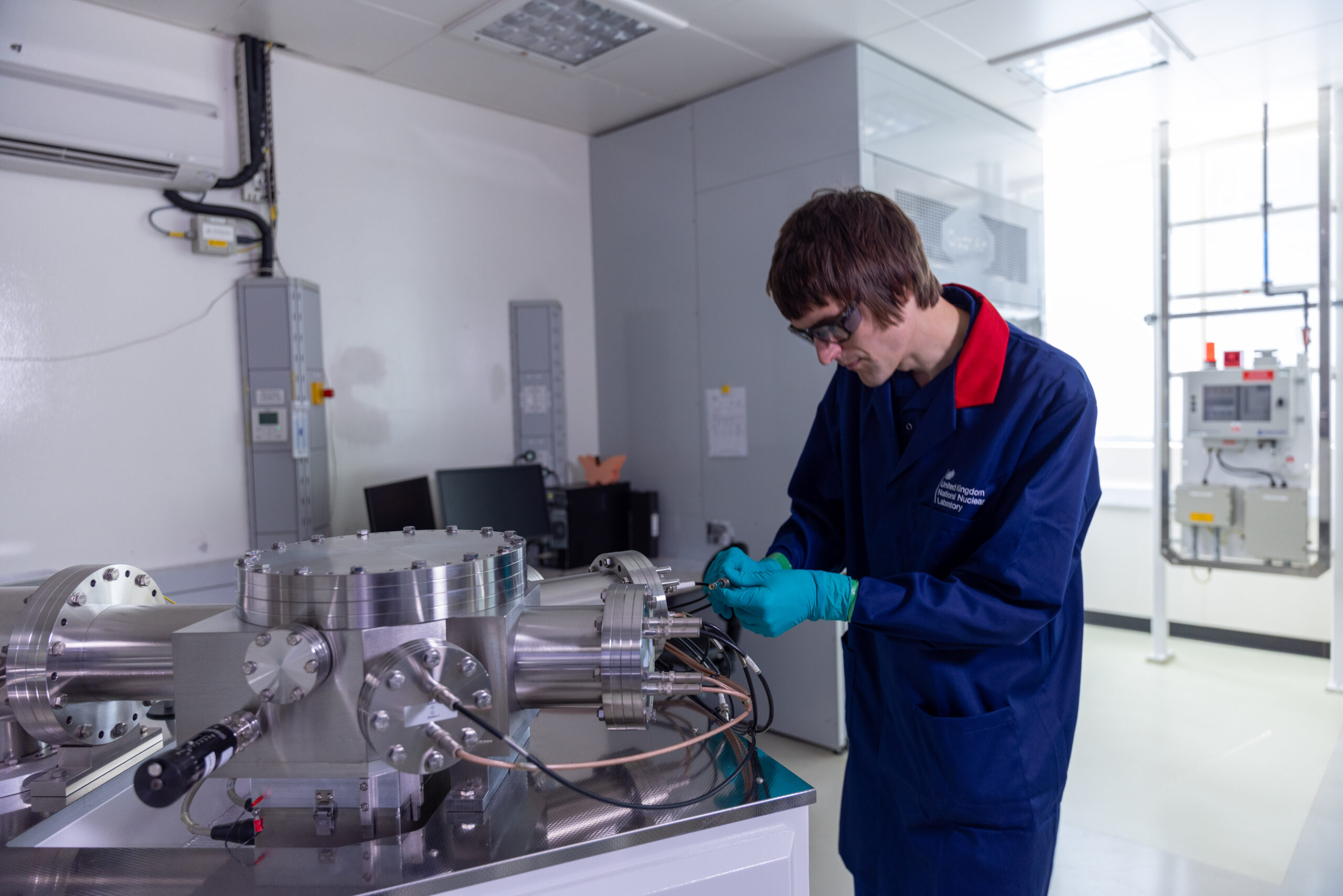
The manufacturing offer combines CNC milling and turning with laser and waterjet profiling, sheet metal bending, welding, fabrication, additive manufacturing and assembly. In-house CAD, prototyping and quality control activity can support projects requiring several successive operations on the same part or assembly.
Individual parts often require more than one process before they are ready for use. A fabricated assembly may begin with profiled sheet or plate, proceed through forming and welding, and then need accurately machined interfaces so that bearings, fasteners or other components fit correctly. Where drawings specify dimensions and tolerances, inspection establishes whether a part meets the agreed requirements before it enters an equipment build or customer assembly.
Waterjet and laser cutting offer different manufacturing characteristics. Waterjet processes can be appropriate where thermal effects must be avoided, while laser cutting can support rapid, accurate profiling of suitable materials. The appropriate route depends on material, thickness, edge condition, tolerances and downstream operations. The company has not published new performance specifications for the inherited machinery, so its advertised processes should not be interpreted as claims about particular cutting speeds or achievable tolerances.
Additive manufacturing provides another route for producing prototypes, tooling or selected components, particularly where conventional fabrication would involve complex shapes or numerous operations. SFM’s existing large-format additive manufacturing activity has been part of the Martock offering, but the material properties, inspection regime and application requirements still determine whether a printed part is suitable for production service. A prototype method is not automatically a certified manufacturing process for a safety-critical aerospace component.
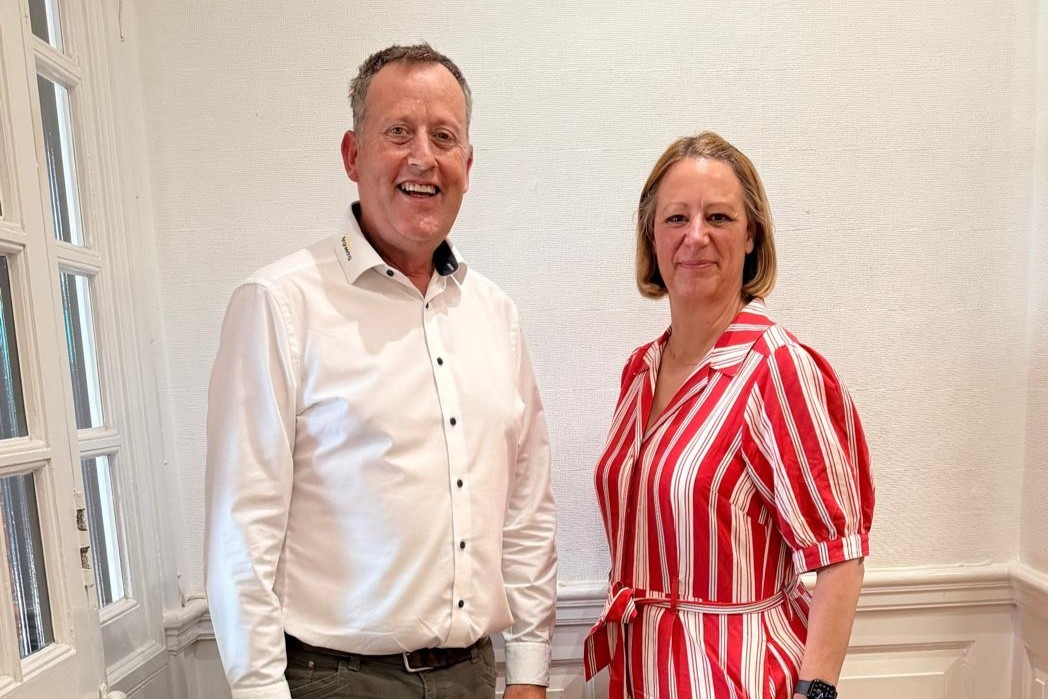
Graham Bramley, Managing Director, said: “Bramley Engineering has always been about finding practical solutions to difficult engineering problems. Bramley Aerospace gives us the opportunity to build on that approach in a much broader manufacturing environment, bringing together experienced people, specialist machinery and a wide range of capabilities.”
Bramley Engineering was established in 1979 and works on specialist lifting challenges. The potential relationship between the businesses is most apparent in equipment projects that need both a lifting solution and manufactured mechanical parts. A lifting assembly may require structural fabrication, machined interfaces, fitted components and a separate safety assessment before use. The combined group can offer those capabilities, although customers will still need the appropriate engineering assurance for the intended application.
Emma Bramley, Account Director, said the acquisition gives the businesses “another way to apply those values and support customers with a much wider range of engineering and manufacturing requirements.” The operating model will have to accommodate the traceability, inspections and contract requirements of different customers as work develops under the two brands.
The retained operation supplies aerospace and defence customers, with capabilities relevant to utilities, rail, transport, civil engineering and general manufacturing. Those markets impose different requirements for traceability, inspection, material certification and final acceptance. Although the Martock site has established aerospace experience, no new sector accreditation was confirmed with the acquisition. The suitability of any particular component for regulated or safety-critical service remains dependent on its specification, production controls and documented assurance.
Future contract awards, investment decisions and project work undertaken jointly with Bramley Engineering will determine the operating scale of the new arrangement. The immediate change is an ownership and branding transition, preserving an established Martock manufacturing facility while extending the Bramley group’s available range of engineering processes.