German electric aircraft developer VÆRIDION has closed a €30 million funding round to build the first conforming prototype of its nine-passenger Microliner, while a separately selected €94.5 million European grant could support a final assembly facility near Munich.
The Series A2 investment provides funding for aircraft construction and integrated testing of the battery and propulsion systems. VÆRIDION’s CAROLUS industrialisation project has also been selected for support through the EU Innovation Fund, although the proposed grant remains subject to completion of an agreement expected in 2027.
The different funding statuses are central to the programme. The company has closed the equity round and reports approximately €60 million raised through equity and earlier public funding to date. The €94.5 million grant selection is additional to that total and should not be counted as money already received or available for immediate construction spending.
SHIFT Invest and Invest-NL led the financing, with existing investors World Fund, Project A and Vsquared Ventures taking part. The round also included other private investors, supporting development of the Microliner alongside the company’s work towards aircraft certification.
VÆRIDION is designing an all-electric regional aircraft with seating for nine passengers and two pilots. It targets a range of 400km plus commercial reserves under instrument flight rules, with a separate configuration offering up to 550km for four passengers under visual flight rules.
Both range figures are development targets, not performance demonstrated by a certified production aircraft. The company is working towards commercial service in 2030, subject to the design, test and regulatory milestones required before passenger operations can begin.
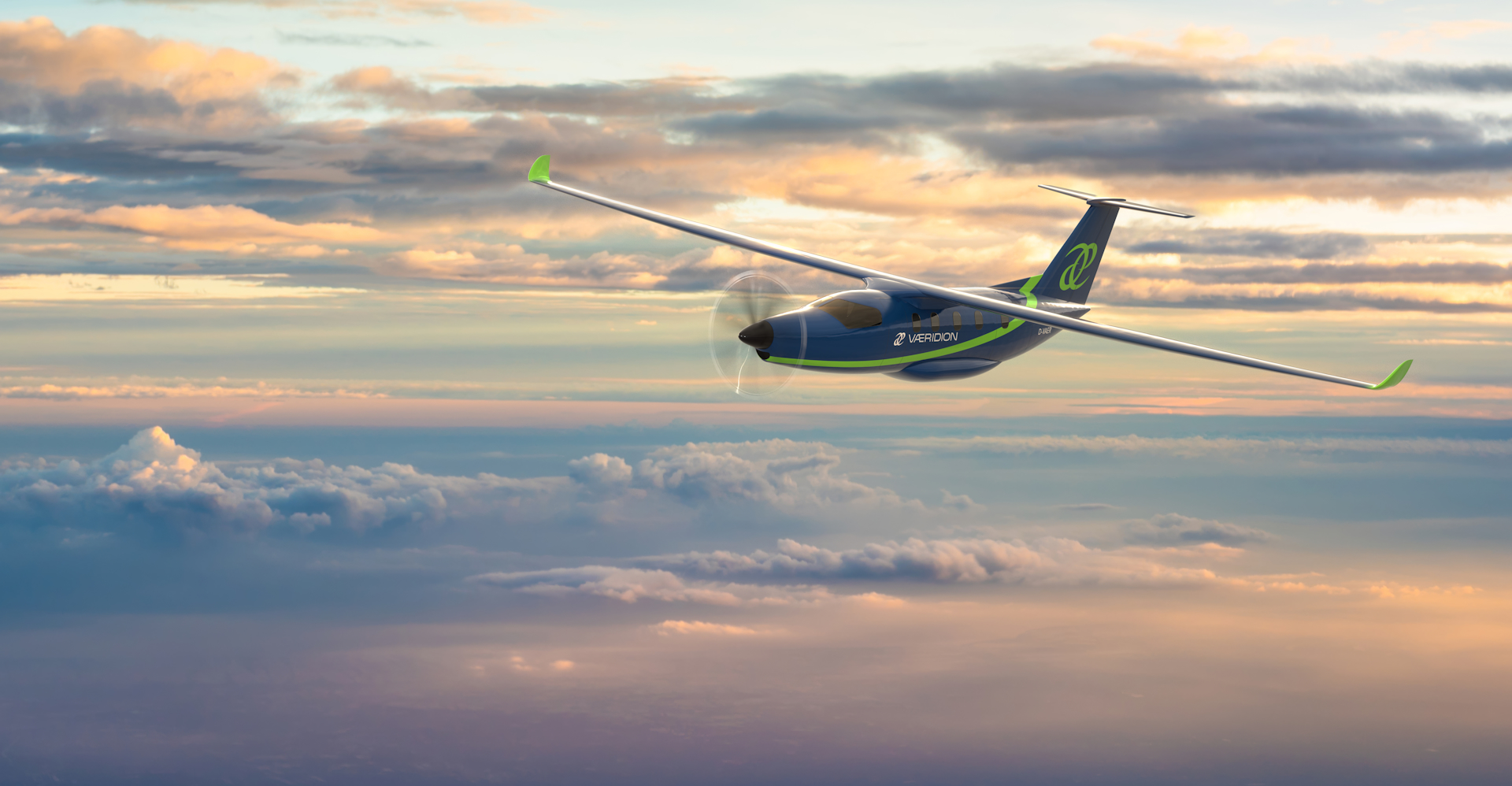
The Microliner combines a glider-inspired wing with integrated modular battery packs and a propulsion arrangement using several electric drive systems to turn a single propeller. VÆRIDION says this configuration is intended to retain centreline thrust if an individual drive fails while distributing the electrical propulsion function across independent systems.
Installing batteries within the wing affects structural and electrical design at the same time. The mass of the packs contributes to the loads carried by the wing, while their placement introduces requirements for accessibility, thermal management and electrical protection that differ from those of a conventional fuel-powered aircraft.
The battery system must deliver the power required during take-off and climb while remaining within defined operating conditions. Electrical connections, cooling and monitoring functions also need to perform reliably through changes in flight conditions and battery state of charge.
VÆRIDION lists a maximum take-off weight of 5,700kg and a maximum cargo volume of 10m³. The published technical specification also identifies a typical charging time below 40 minutes and peak charging power of up to 800kW, although achievable charging performance will depend on the battery and charging equipment used.
The company opened a production and test facility at Oberpfaffenhofen Airport in March 2026 and has since powered its electric engine for the first time. Its immediate engineering work involves integrating battery packs and propulsion equipment on a ground-based test arrangement known as a copper bird.
Ground integration testing allows engineers to evaluate how electrical and control systems behave together before they are installed in a flight-test aircraft. Interactions between battery supply, power electronics, motors, protection systems and software can be examined under controlled conditions, including selected simulated faults.
The company is also undertaking wind-tunnel work to develop and verify the aircraft’s aerodynamic characteristics. The results will support the conforming prototype, which is intended to reflect the design configuration used for formal testing more closely than an early proof-of-concept demonstrator.
VÆRIDION completed a preliminary design review during 2026 and has progressed through its second pre-application contract with the European Union Aviation Safety Agency. The Microliner is being developed for the EASA CS-23 certification framework, with flight testing targeted to begin in 2027.
These steps do not amount to certification approval. The aircraft will require further verification of its electrical propulsion, structural behaviour, operational performance and safety systems before the company can obtain the approvals necessary for commercial service.
Founder and chief executive Ivor van Dartel said: “Our propulsion and battery technology is now being tested at our own facility in Oberpfaffenhofen.” He linked the completed equity financing to construction of the conforming aircraft and the conditional European support to future production capability.
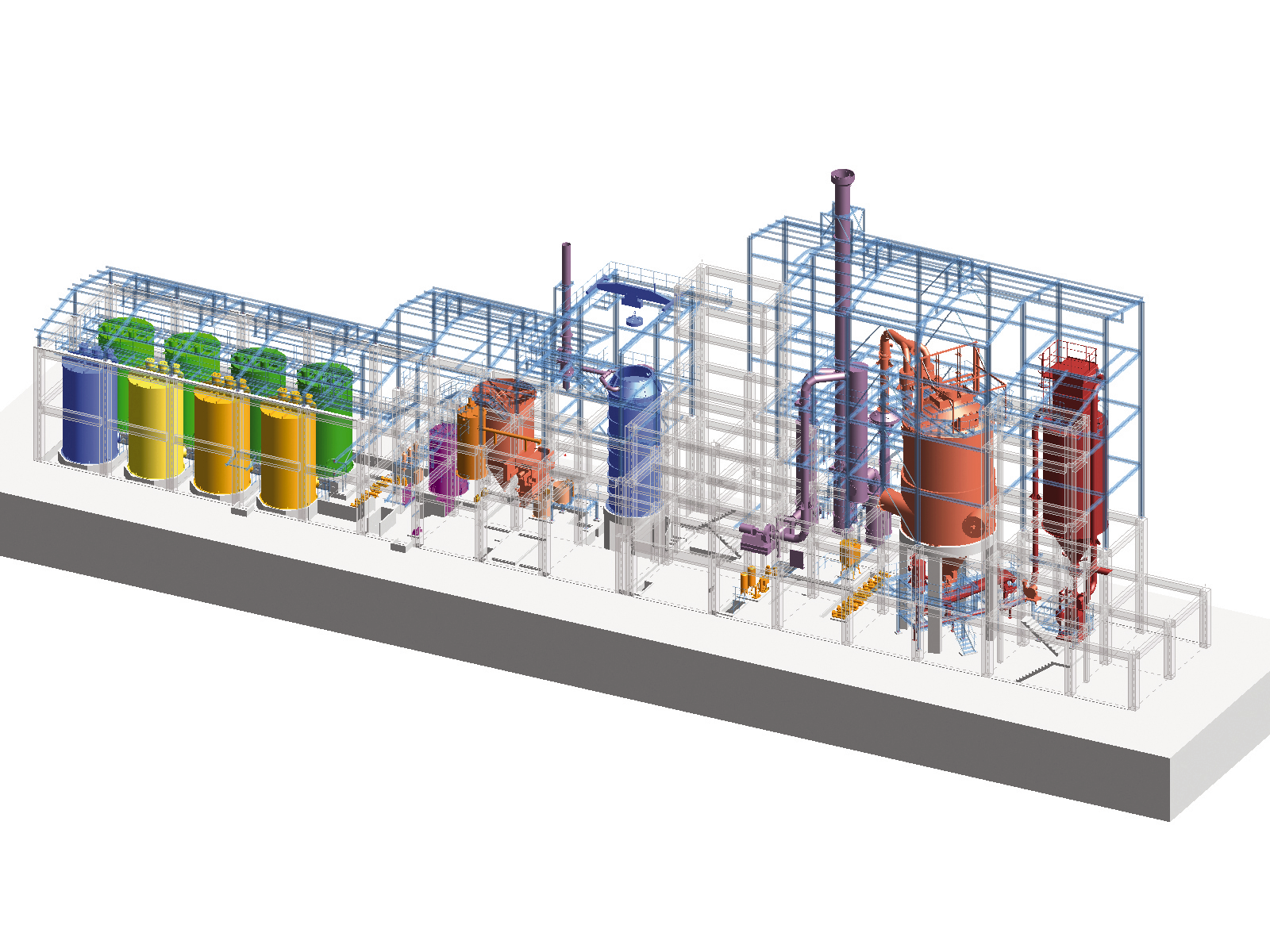
The CAROLUS proposal concerns establishment and ramp-up of final assembly capacity at Oberpfaffenhofen Airport. Selected from 358 applications, it was one of 12 large-scale projects identified under the funding round and the only aviation project in that category, according to the company.
Aircraft serial production would require an industrial system extending beyond the final assembly building. Components supplied by specialist manufacturers must be produced to defined specifications, inspected and recorded, then integrated through controlled assembly and test procedures for each completed aircraft.
Reliability in that system depends on suppliers’ ability to deliver repeatable components, the manufacturer’s control of configuration changes and the documentation needed to establish conformity. A production ramp-up cannot be treated as complete simply because an assembly site has been identified or a grant selected.
VÆRIDION reports commercial commitments for more than 130 aircraft valued at over €730 million, with ASL Group identified as launch customer. The commitments are conditional and do not constitute completed sales or delivered aircraft; the manufacturer has not announced a firm delivery timetable.
Its industrialisation programme will also have to accommodate passenger and cargo versions, while maintaining common engineering and quality arrangements where the designs share components. The additional cargo configuration remains part of the planned product range rather than a separate certified aircraft already in service.
The secured €30 million round finances the next development phase, including prototype construction and integrated testing. Development of the proposed assembly facility depends on completing the €94.5 million grant agreement and satisfying the technical, commercial and regulatory requirements that remain before serial manufacturing can begin.