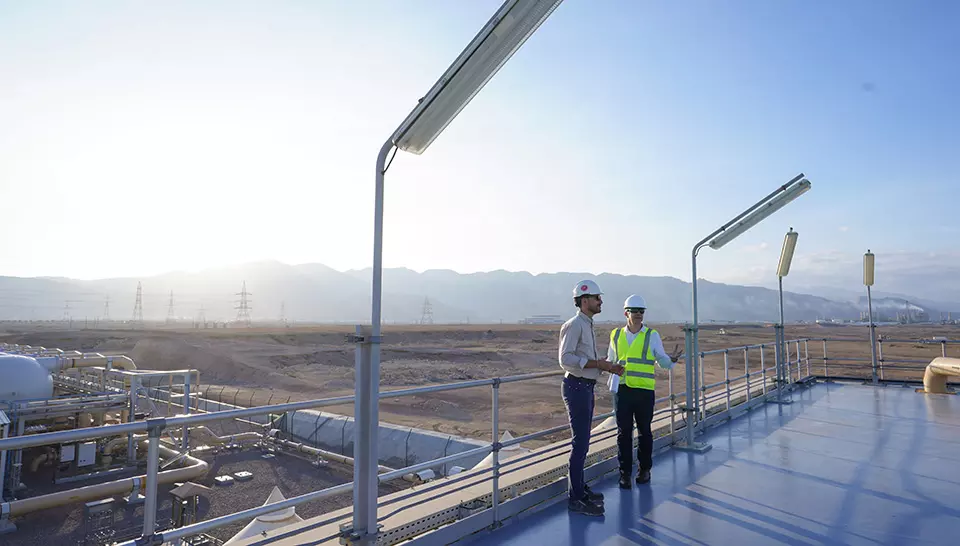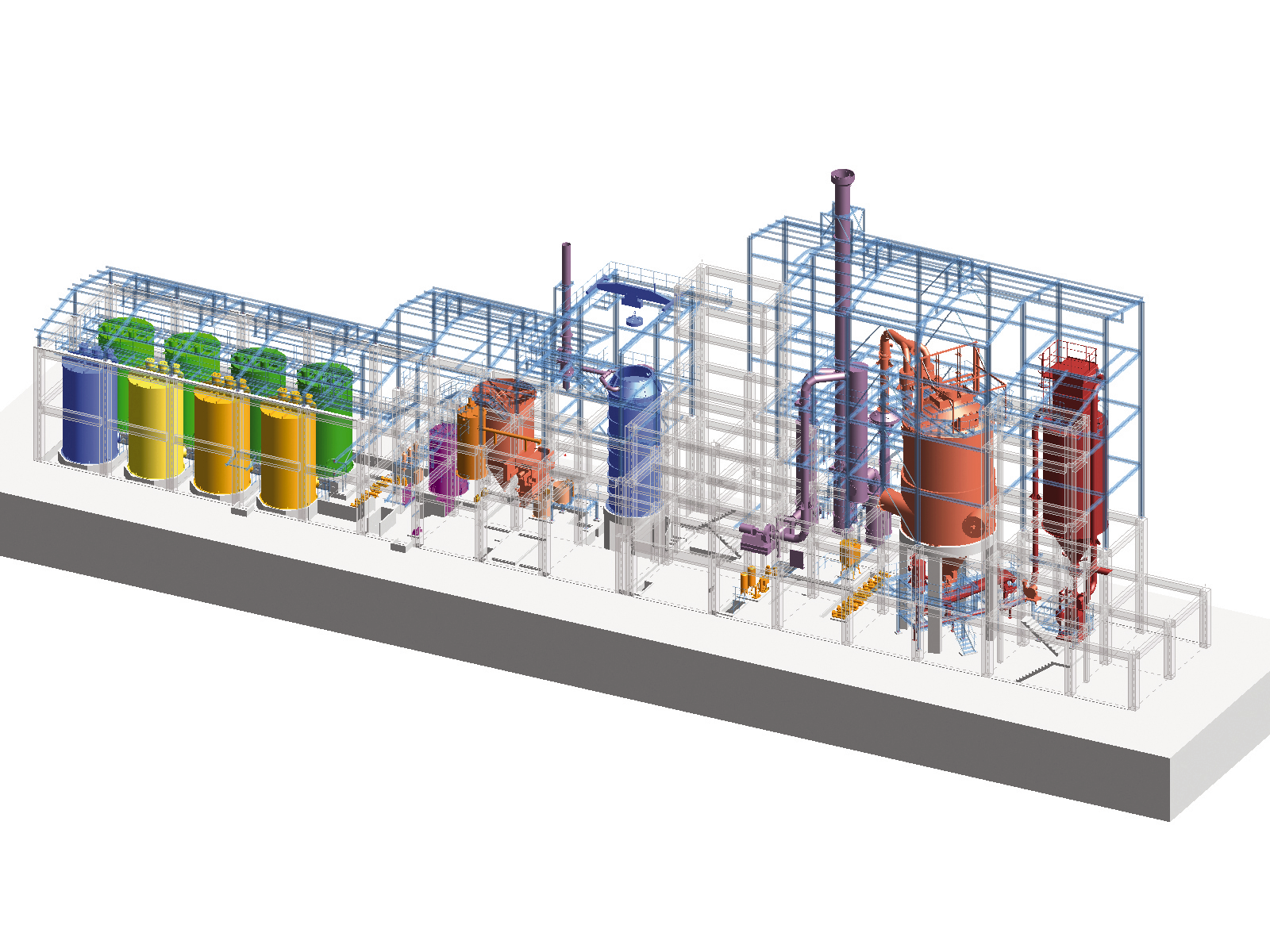
ANDRITZ has commissioned a second acid regeneration plant at JSW Steel Coated Products’ Vasind Works in Maharashtra, India, adding capacity to recover hydrochloric acid from steel pickling operations as the site expands its processing capability.
The new installation processes 6,400 litres of spent pickling acid per hour. It was supplied to meet the additional regeneration demand associated with a recently introduced pickling line capable of processing 1.3 million tonnes of steel annually. ANDRITZ said start-up and performance validation had been completed, with the plant achieving stable operation and meeting its specified process and environmental parameters.
The two ANDRITZ installations now serve the Vasind pickling operation, where regenerated hydrochloric acid accounts for approximately 99% of acid requirements. The supplier has not disclosed the combined treatment capacity of both plants or the contract value associated with the new equipment.
Pickling removes oxide scale from steel surfaces, commonly after hot rolling and before further operations such as cold rolling or coating. The scale forms when hot steel reacts with oxygen during processing and cooling, and it must be removed where a clean surface is necessary for subsequent manufacturing.
Hydrochloric acid is used to dissolve the scale, but the liquid changes as the process continues. Iron compounds accumulate in the bath and the amount of free acid available for effective treatment decreases. Maintaining the required solution chemistry eventually involves removing part of the spent liquid and supplying fresh or regenerated acid.
In a high-throughput plant, the acid system must operate in step with the steel line. Variations in incoming surface condition, strip speed, temperature and bath chemistry can influence the rate at which acid is consumed and iron-containing products build up in the solution.
Without an appropriate recovery system, spent pickling liquor must be managed through external treatment or disposal arrangements while fresh acid is purchased and transported to the site. These requirements create material flows and operating costs beyond the pickling line itself.
Acid regeneration recovers hydrochloric acid from the used solution and returns it to the process. ANDRITZ describes its technology as a closed-loop arrangement that also generates iron oxide as a recoverable by-product, reducing the quantities of spent liquid requiring disposal and limiting demand for replacement acid.
Thermal regeneration technologies recover hydrochloric acid from iron-rich pickling liquor by processing the dissolved iron compounds, generating gas that can be absorbed to produce acid for reuse. The equipment requires controls for reaction conditions, gas treatment and the quality of both the recovered acid and the iron oxide. ANDRITZ has not specified the exact reactor arrangement installed in the second Vasind plant.
Regenerated acid is returned to the pickling process, while the iron oxide produced is sold for other industrial applications. The manufacturer has not published the oxide grade, customers or revenue received from these sales, and the usefulness of the material depends on the specification achieved during regeneration.
The figure of approximately 99% refers specifically to the proportion of pickling acid requirements met by regenerated hydrochloric acid across the Vasind operation. It is not a claim that 99% of all wastes or environmental emissions have been eliminated, nor does it establish the total operating efficiency of the recovery equipment.
Additional acid may still be needed to maintain operating conditions, and regeneration itself consumes energy and requires maintenance, process controls and environmental management. Its overall environmental performance consequently depends on the complete material and energy balance, not solely on the quantity of recovered acid.
The new 1.3-million-tonne pickling line is an important reason for the capacity increase. Greater quantities of steel passing through surface treatment can increase the volume of spent acid requiring regeneration, even when existing baths are carefully controlled.
Insufficient treatment capacity can require greater storage, additional fresh acid supply or changes to operating arrangements. Adding a dedicated regeneration plant allows the recovery operation to accommodate the expanded demand while reducing reliance on external movement of spent and replacement materials.
JSW Steel Coated Products is a wholly owned subsidiary of JSW Steel. The Vasind facility manufactures cold-rolled, galvanised and other value-added steel products, for which reliable surface preparation is part of maintaining the required finishing conditions.
Surface cleanliness can affect downstream rolling and coating operations. Residual scale or inconsistent acid treatment can create defects that are difficult to correct once further processing has been completed, making the control of pickling baths and the continuity of the associated recovery system important to production.
ANDRITZ said that performance validation confirmed stable operation and compliance with the process and environmental parameters established for the new installation. The release does not provide the measured emissions, energy requirement, acid concentration or cost savings achieved during acceptance testing.
The second regeneration plant has passed commissioning rather than remaining at the planning or construction stage. Its stated processing rate now supports the enlarged pickling operation alongside the existing ANDRITZ equipment, with recovered acid circulating back into steel surface treatment and iron oxide entering separate industrial uses.