Atalaya Mining has secured Strategic Project designation from the European Commission for Proyecto Touro, a proposed copper mine in Galicia, north-west Spain. The recognition, granted under the EU Critical Raw Materials Act, adds a European-level status to the Galician regional strategic industrial designation awarded in 2024. Touro remains in development and has yet to receive the final environmental approvals needed to advance towards construction.
The designation applies through the local operator Cobre San Rafael, reflecting the proposed mine’s contribution to European copper supply. EU Strategic Project status can provide coordinated handling of administrative procedures and assistance with finance contacts. Touro’s eventual production volume still depends on the extraction design, permits, investment decision and commissioning of a working mine and processing plant.
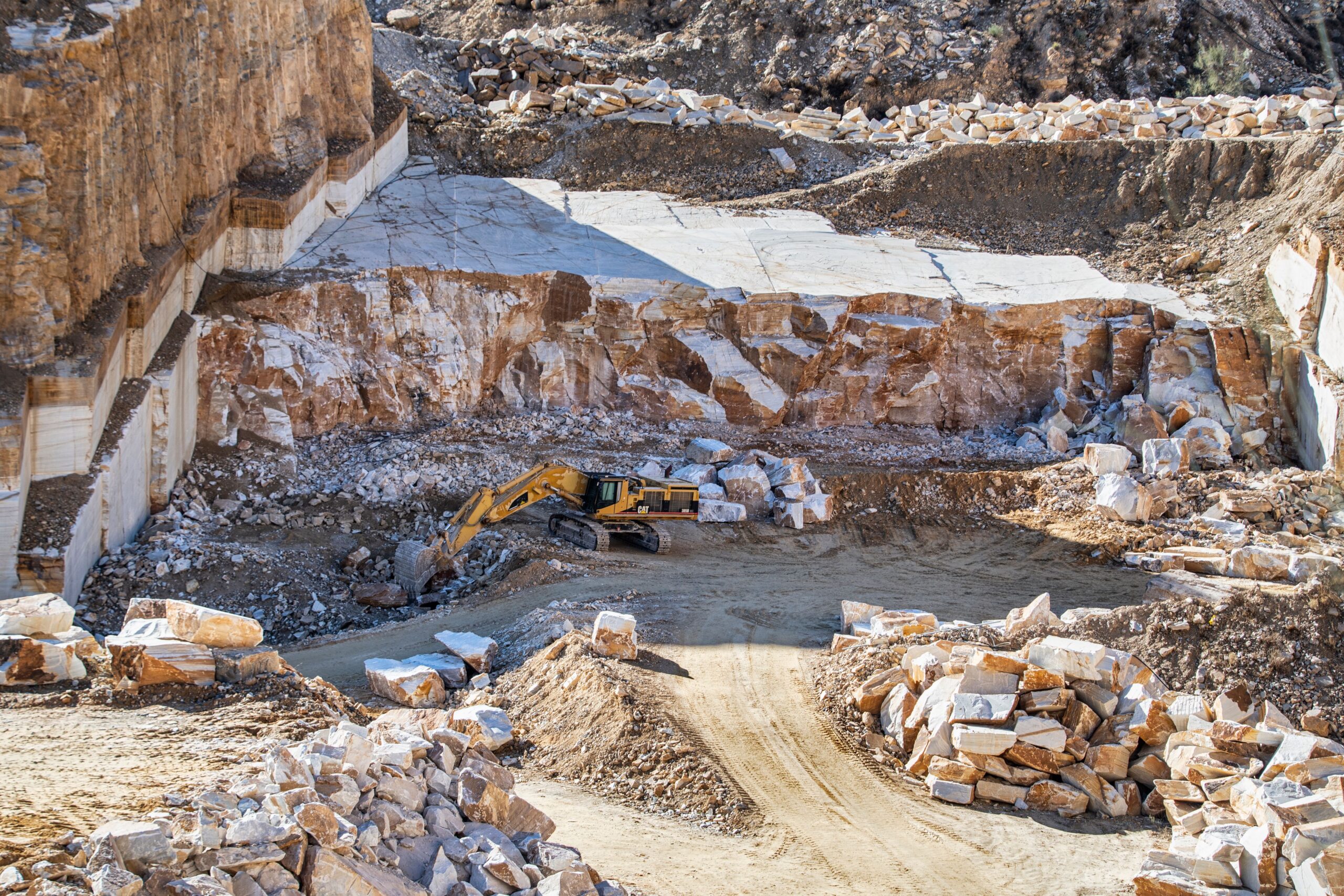
Proyecto Touro occupies the site of a previously operated open pit copper mine. Historical mining ran from 1973 to 1986, leaving a brownfield industrial location with legacy environmental issues and established access to regional infrastructure. Atalaya’s proposed redevelopment is based on conventional open pit extraction followed by crushing, grinding and flotation, a process intended to separate copper-bearing minerals into a concentrate suitable for subsequent metallurgical treatment.
After excavation, rock would pass through crushing and grinding stages to liberate copper-bearing mineral grains from the surrounding material. Flotation uses differences in mineral surface characteristics, with chemical reagents and controlled aeration helping separate a concentrate from the remaining particles. The recovery achieved in practice depends on ore properties, grind size, plant operation and water chemistry. None of those production outcomes has been established by the EU’s designation, which recognises a proposed project rather than the performance of an operating processing plant.
Atalaya’s 2018 pre-feasibility work examined this operating route, although the company has since continued design and permitting activities. A proposed mine needs more than an ore processing flowsheet before capital can be committed. Waste rock handling, tailings containment, site water management, power infrastructure, traffic movements and rehabilitation arrangements all form part of the engineering and environmental assessment of a functioning extraction operation.
The High Court of Justice of Galicia later voided a January 2020 negative environmental decision on Touro, while Atalaya and Cobre San Rafael continued work on an amended design. Galicia awarded its strategic industrial project designation in June 2024, establishing a simplified administrative route for the proposal. That procedural status does not displace the environmental requirements associated with mining, waste management or the treatment of water affected by previous operations.
Atalaya reported earlier this year that the environmental impact statement was at an advanced stage of preparation. In its August financial reporting, the company said the required sectoral reports had been received and that discussions with the regional administration were continuing. The new European designation follows those steps, but an expected decision is not equivalent to a completed approval, and no firm construction date should be inferred.
Work to address the effects of historical mining has proceeded separately from a decision on reopening. Atalaya operates a water treatment installation at Touro intended to manage acidic runoff associated with the old workings. Its sustainability reporting describes measures to divert clean rainwater, treat affected water and monitor local conditions. Those activities address a pre-existing liability; they do not, by themselves, demonstrate that all environmental impacts of a new mining operation have been resolved.
Atalaya is acquiring its economic interest in Proyecto Touro through a staged earn-in arrangement with the local company. The agreement allows an initial minority position to rise to as much as 80% if specified development milestones are achieved. Final ownership and associated capital commitments therefore remain conditional on progress through those stages, rather than reflecting a fully completed purchase today.
Touro is among the 46 projects added to the Commission’s latest critical raw materials register. Its former open pit workings and the historical environmental liabilities make water controls, tailings management and restoration plans central to the current permitting process. The proposed crushing, grinding and flotation route will also need engineering specifications and project finance before construction can proceed.
Atalaya continues preparatory engineering, procurement and limited land acquisition while it awaits completion of the regional environmental process. The next substantive project milestone will be the relevant authorisation and a defined investment decision, followed by construction and commissioning plans. Until those occur, Touro is a proposed source of European copper rather than an additional operating mine.