ADNOC, XRG, and Masdar have signed a package of agreements with German energy and industrial companies that the UAE groups say could enable more than €5 billion of investment across gas, offshore wind, advanced materials, storage, and industrial technology.
The agreements involve RWE, Securing Energy for Europe, MB Energy, Covestro, Siemens Energy, Siemens Industrial, Bosch Middle East, and Luxcara, and were announced during a state visit to Germany by UAE President Sheikh Mohamed bin Zayed Al Nahyan.
The €5 billion figure is a measure of potential investment rather than capital already committed to construction. Much of the package consists of memoranda of understanding, letters of intent, and strategic collaboration agreements intended to identify projects, commercial arrangements, and areas for further development.
That distinction is important because the announcement ranges from relatively defined energy-supply discussions to much earlier-stage technology cooperation. The industrial significance will ultimately depend on which agreements progress into binding contracts, final investment decisions, equipment orders, and operating assets.
ADNOC and RWE Supply & Trading have signed a letter of intent covering the potential development of up to two long-term liquefied natural gas sales and purchase agreements. The companies intend to assess supply into Germany and wider European and Asian markets from ADNOC’s international gas portfolio from the early 2030s.
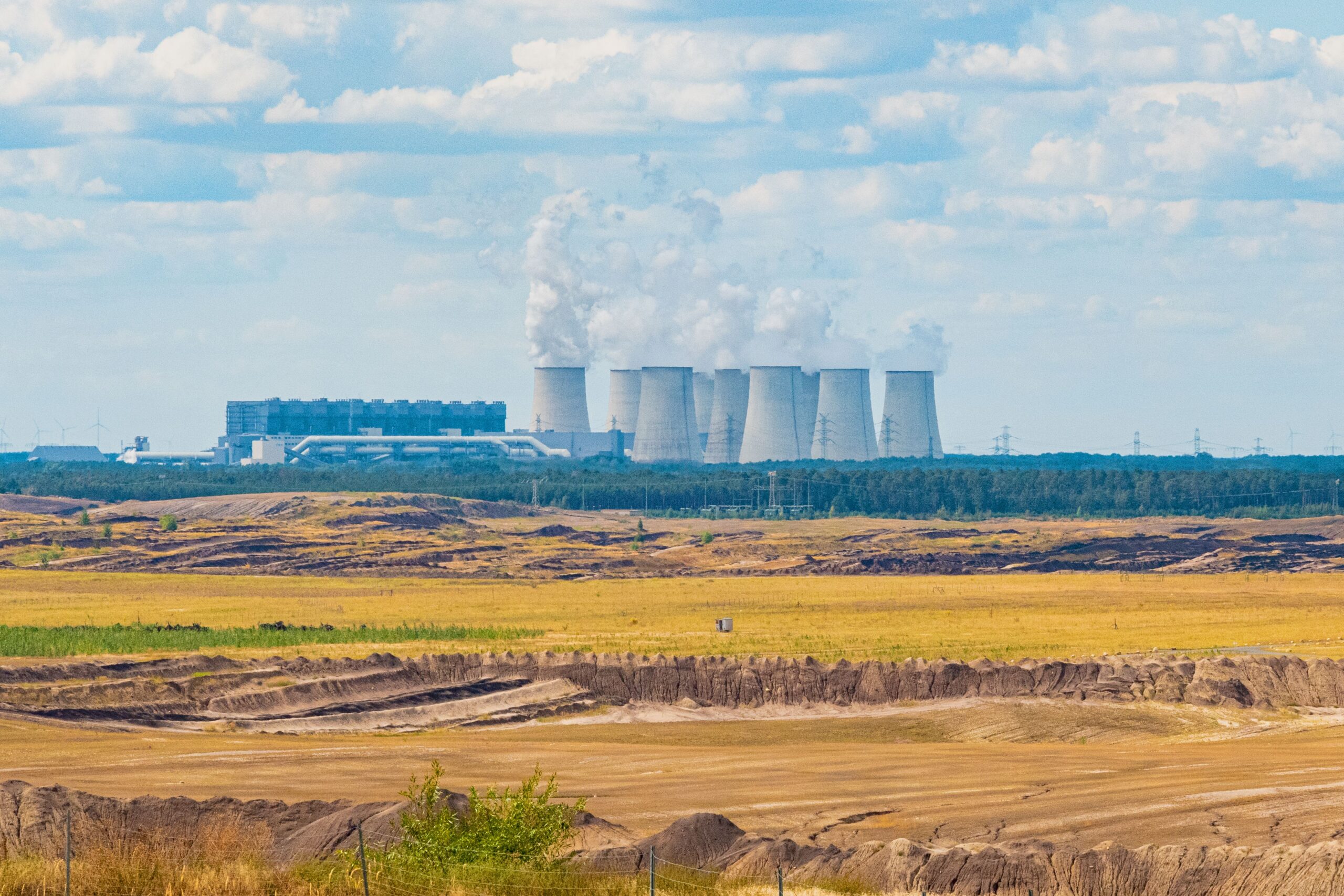
ADNOC, XRG, and German state-owned energy company SEFE have separately agreed to explore opportunities across natural gas and LNG value chains. The work covers potential gas supply, infrastructure, logistics, portfolio optimisation, and market development, extending an existing UAE-German energy relationship.
Renewables form another substantial part of the programme. Masdar and RWE have signed an agreement to consider joint participation in future German offshore wind auctions, while Masdar and Luxcara will explore potential joint investments in offshore wind and battery-storage projects in Germany and elsewhere in Europe.
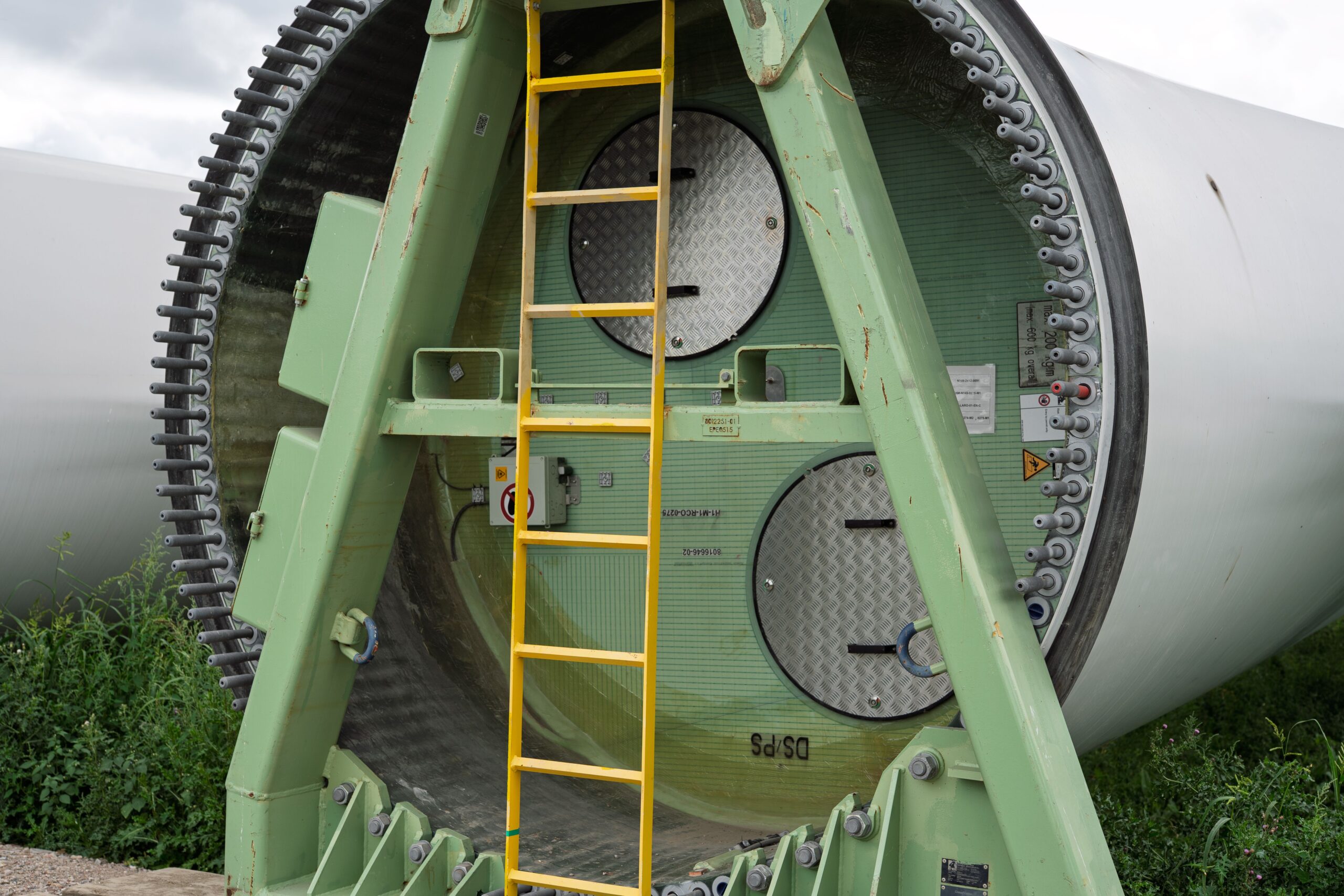
For German industry, additional renewable generation has implications beyond electricity production. Offshore wind deployment increasingly depends on domestic and European manufacturing capacity for turbines, foundations, cables, electrical systems, substations, vessels, and grid infrastructure, meaning project investment can translate into industrial demand several years before a wind farm begins generating.
That translation is not automatic. Developers still have to secure viable auction terms, grid connections, finance, equipment availability, permits, and supply-chain capacity. European wind manufacturers have already demonstrated that a large project pipeline can coexist quite comfortably with weak margins and uneven factory utilisation when commercial terms fail to cover rising industrial costs.
The chemicals sector is also included. TA’ZIZ and Covestro have expanded work on a feasibility study for a methylene diphenyl diisocyanate value chain at Ruwais in the UAE, with a decision on the next phase expected after further technical and commercial assessment.
Methylene diphenyl diisocyanate is an important feedstock in polyurethane production, linking any future investment to insulation, automotive, refrigeration, coatings, adhesives, and other industrial markets. A project at the scale being considered would therefore sit inside a much wider European materials supply chain rather than operate as an isolated chemical asset.
Covestro, Fertiglobe, and MB Energy have also agreed to explore a low-carbon ammonia supply chain into Germany. Ammonia remains an established industrial feedstock and is increasingly being examined as a carrier for lower-carbon hydrogen, although viable supply depends on production economics, infrastructure, certification, transport, and end-user demand.
The least defined agreements cover technology. ADNOC has signed strategic collaboration agreements with Bosch Middle East, Siemens Energy, and Siemens Industrial to explore advanced technology and artificial intelligence applications. No specific manufacturing programme, equipment order, or factory investment has yet been attached to those elements.
The wider UAE-German industrial relationship is already substantial. ADNOC, XRG, and Masdar say they have invested more than €20 billion across Germany’s energy and industrial economy, including XRG’s investment in Covestro and Masdar’s participation in the Baltic Eagle offshore wind farm. ADNOC also has existing long-term LNG supply commitments into Germany.
The latest package sits alongside the UAE’s stated intention to support €40 billion of longer-term investment in Germany. A new UAE-Germany Investment Council is intended to identify projects and reduce barriers between investors, companies, and government.
Germany’s attraction is fairly obvious: it remains one of Europe’s largest concentrations of chemicals, machinery, automotive, electrical equipment, materials, and energy-intensive manufacturing. Its problem is equally obvious — much of that industrial base needs large quantities of reliable and increasingly lower-carbon energy while simultaneously facing high costs and international competition.
The UAE groups can provide capital, fuel, project-development capability, and long-term partnerships, but diplomatic agreements will only matter industrially when they survive the less photogenic stages of engineering, permitting, procurement, and construction.
The next milestones are therefore more useful than the headline investment figure. Signed LNG contracts, offshore-wind auction participation, final investment decisions, chemical-plant approvals, and equipment orders will show how much of the current €5 billion potential becomes physical German industrial capacity.