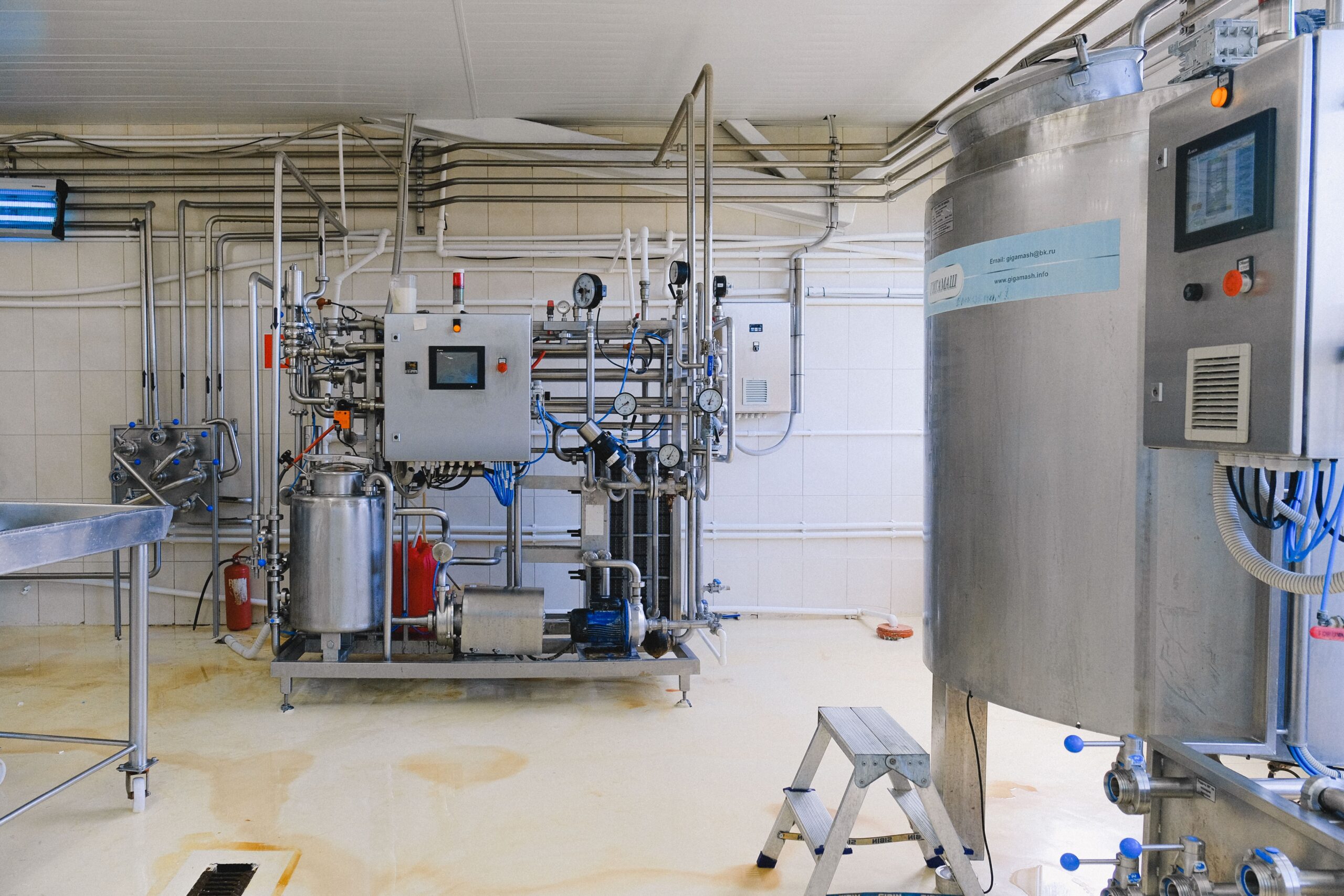
Workers at Herman Miller’s PortalMill factory in Melksham, Wiltshire, are set to strike over pay on 24 September after GMB members rejected three offers from the company.
The union says the planned walkout will affect furniture production at the site, which manufactures and assembles office furniture for markets across the UK, Europe, the Middle East, and Africa. GMB has also named Amazon and Apple among customers that could be affected, although it has not detailed the contracts, products, or expected disruption.
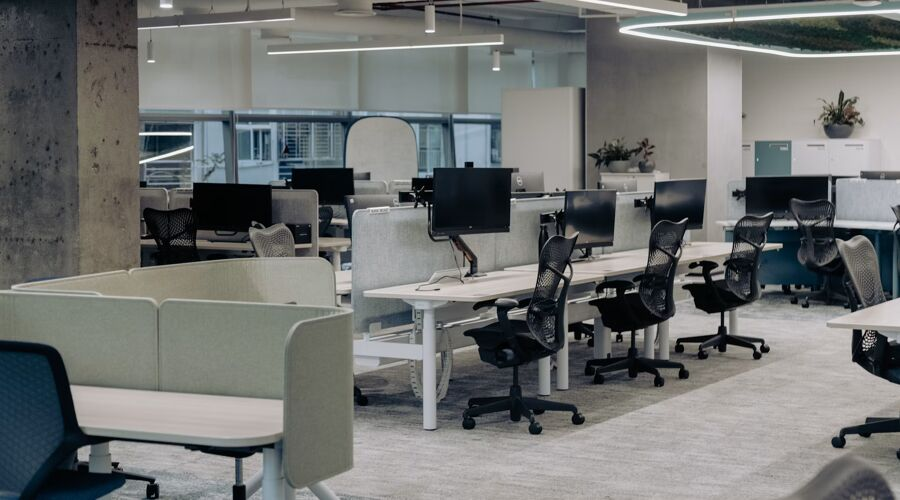
PortalMill is Herman Miller’s principal UK manufacturing base. The company says it has operated manufacturing in Britain for nearly 40 years and produces workstations, task chairs, soft seating, and other workplace products from Melksham. The site also accommodates central functions supporting the wider EMEA business.
Kasia Naskretska, GMB Regional Organiser, said: “These are skilled workers, making expensive items and they deserve to get a pay rise which reflects the market rate, their expertise and the level of profit the company is making. We should be celebrating the successes of British manufacturing and that starts by paying the wealth generators their fair share.”
GMB has not published the value or structure of the three rejected offers, so the distance between the union and the company cannot be established from the public material. The union argues that skilled employees at the factory should receive a larger share of the returns generated by the business, while the planned strike creates an operational issue because it targets production rather than an administrative function.
Herman Miller is part of MillerKnoll, the US-listed furniture group formed around the combination of Herman Miller and Knoll. MillerKnoll reported net sales of $3.842 billion for the financial year ended 30 May 2026, up 4.7% from the previous year. Operating earnings increased to $198.3 million from $50.5 million, while net earnings attributable to MillerKnoll were $91.5 million compared with a $36.9 million loss a year earlier.
The parent company’s International Contract segment, the closest reported division to the markets served from Melksham, generated $674.0 million of full-year sales, up 2.1% on a reported basis. Its operating margin was 8.1%, down from 9.6% in the previous year.
Those group figures provide financial context but do not establish the profitability of the Melksham factory, the value of any individual UK customer contract, or the economics of the rejected pay offers. GMB’s case relies partly on group profitability and shareholder returns, while the public accounts do not isolate the plant on that basis.
MillerKnoll also continued to return cash to shareholders during the year, including a quarterly dividend of $0.1875 per share declared in April. The union has cited profits and dividends in support of its pay claim, but its announcement does not provide comparative wage rates or an independent benchmark for the market rate it says should apply.
Production disruption will depend on participation, work in progress, finished-goods inventory, and whether output can be rescheduled around 24 September. PortalMill was designed around material flow through an L-shaped factory floor, and Herman Miller says its manufacturing approach uses the Herman Miller Performance System to support continuous improvement.
A one-day stoppage does not automatically translate into a one-day delivery delay. Furniture assembly depends on material availability, sequencing, quality checks, packing, and dispatch, so lost production can sometimes be recovered through inventory or later shifts and in other cases create bottlenecks further through the schedule.
GMB has said output will be affected but has not published expected volumes, the number of members involved, or the proportion of the Melksham workforce represented in the action. Those figures will determine how much of the factory’s normal capacity is unavailable if the strike proceeds.
The union’s announcement did not include a response from Herman Miller to the strike decision or its claims about pay and customer impact. The available account of the dispute consequently remains weighted towards GMB’s position, including its description of company profitability and the likely effect on customers.
The strike is scheduled for Thursday 24 September, leaving time for further talks or another offer before the walkout. GMB has not announced additional strike dates, making the proposed one-day stoppage the next defined milestone in a dispute involving skilled manufacturing workers at one of the UK office-furniture sector’s better-known production sites.