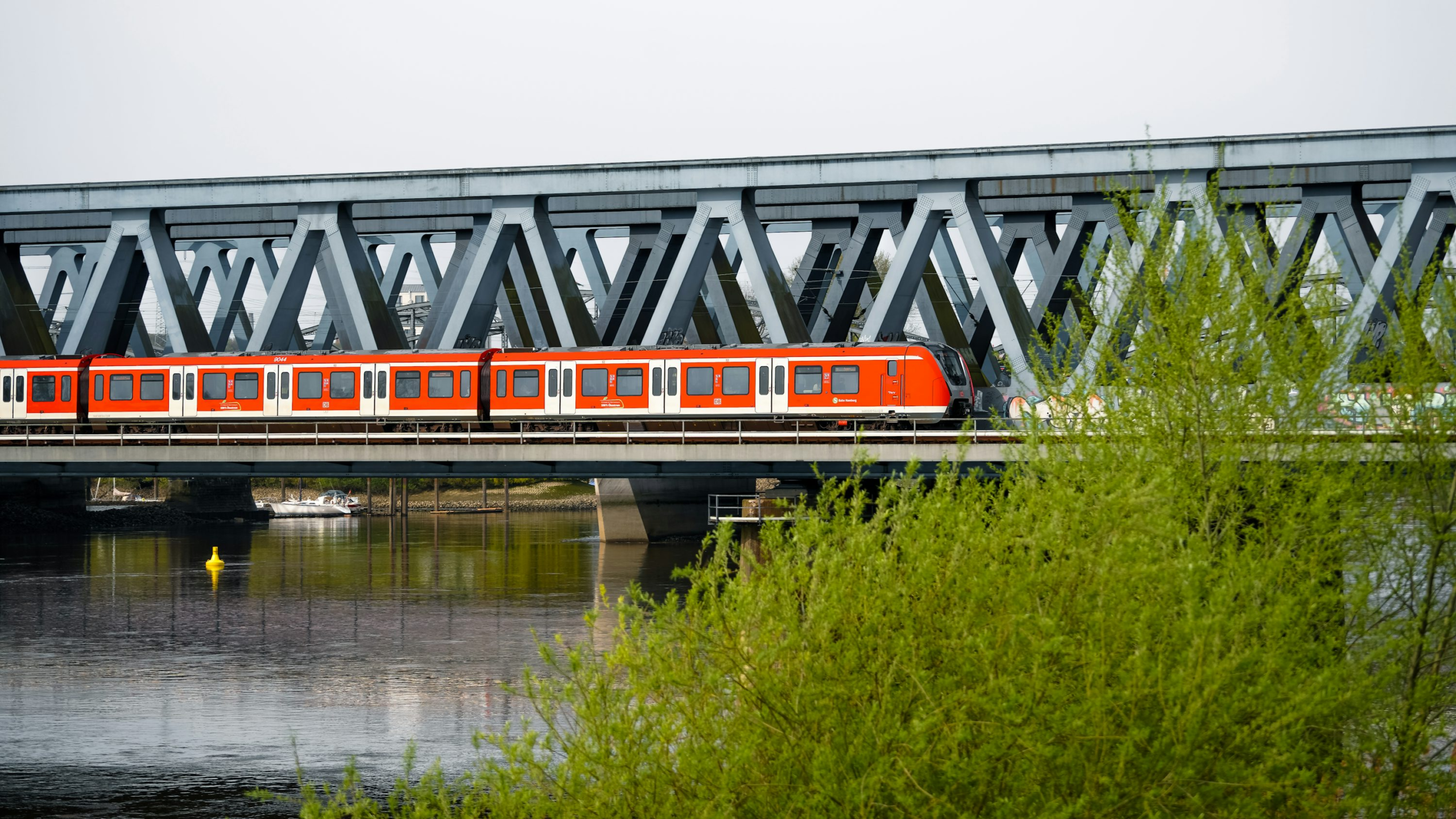
TÜV Rheinland has been appointed to provide independent technical oversight for 36 new Stadler FLIRT XL trains being built for the Rhine-Ruhr S-Bahn network in Germany. The inspection programme will extend from design review through manufacturing supervision and final acceptance, creating an additional engineering control layer before the fleet enters passenger service.
The trains are intended for the S8 route between Mönchengladbach, Düsseldorf, Wuppertal, and Hagen, with entry into service planned from December 2029. Each multiple unit will provide 180 seats, while VIAS Rail will act as the future operator and maintenance provider and is responsible for procurement and construction supervision. The completed fleet will ultimately become the property of the Rhine-Ruhr Transport Association’s operating organisation.
TÜV Rheinland Intertraffic has been brought into the programme as an independent second-level control function rather than replacing the responsibilities of the manufacturer, operator, or customer. During the design phase, its engineers will assess whether the vehicles conform to contractual requirements and the technical criteria established during procurement. That work is intended to identify discrepancies while designs can still be changed without creating major production disruption.
Once manufacturing is under way, the inspection remit moves into Stadler’s factory. Independent oversight at that stage can examine whether components, assemblies, processes, documentation, and completed vehicles remain consistent with the approved design and contractual specification. Rail manufacturing is particularly sensitive to configuration control because apparently modest changes to hardware, software, materials, or suppliers can affect certification evidence and require further engineering assessment.
The final phase will involve inspection of completed trains and validation of technical acceptance. Acceptance is a critical boundary in a rail procurement programme because a vehicle that is physically complete is not necessarily ready for operational service. Documentation, tests, defect closure, safety evidence, software configuration, maintainability information, and contractual performance all have to align before ownership and operating responsibility can transfer cleanly.
The value of an additional independent engineering layer becomes more obvious as train architectures grow more complex. Modern electric multiple units combine traction power, braking, train control, passenger information, communications, doors, HVAC, fire protection, diagnostic systems, cybersecurity controls, and increasingly software-intensive subsystems. Those systems have to work individually, interact correctly, and remain supportable over an operating life measured in decades rather than product cycles.
Manufacturing supervision also deals with a different problem from final inspection. Finding a recurring assembly error after dozens of vehicles have been completed is substantially more expensive than identifying it while early units are still moving through production. Oversight during manufacture can therefore provide feedback before a deviation propagates through the fleet, although responsibility for production quality remains with Stadler and its supply chain.
Fleet programmes also depend on consistency between nominally identical vehicles. Operators need maintenance teams to encounter the same equipment layouts, software baselines, components, and diagnostic behaviour across the fleet wherever practicable. Uncontrolled variation can create additional spares requirements, training burdens, and fault-finding complexity long after the manufacturing programme has finished.
For the Rhine-Ruhr authorities, the additional inspection role provides another line of sight into a procurement whose vehicles will remain in service long after the initial project team has dispersed. The trains will operate on a heavily used regional corridor, and shortcomings that become visible only after passenger operation begins can prove expensive through disrupted services, retrofit campaigns, and increased maintenance requirements.
The arrangement also separates part of the technical oversight from day-to-day production pressures. Manufacturers and operators naturally work towards contractual delivery dates, while an independent inspection body has a narrower obligation to test whether agreed requirements have actually been met. That does not make the process immune to delay or disagreement, but it creates a documented route for technical issues to be raised before they become operating problems.
Stadler’s FLIRT platform is already widely deployed, but a mature vehicle family does not remove the need to inspect a specific fleet. Customer configurations differ in interiors, traction equipment, signalling interfaces, communications, software, climatic requirements, accessibility provisions, and maintenance assumptions. The task is therefore to demonstrate that these 36 trains meet the requirements attached to the Rhine-Ruhr procurement, not merely that the wider FLIRT family has operated successfully elsewhere.
TÜV Rheinland’s involvement will continue until the vehicles are completed and accepted. With service still more than three years away, much of the technically important work will happen before passengers see the first train. Design records, factory inspections, configuration controls, and acceptance evidence seldom attract the attention given to a launch ceremony, but they are where large rolling-stock programmes either build reliability into the fleet or leave future maintenance teams to discover what was missed.