
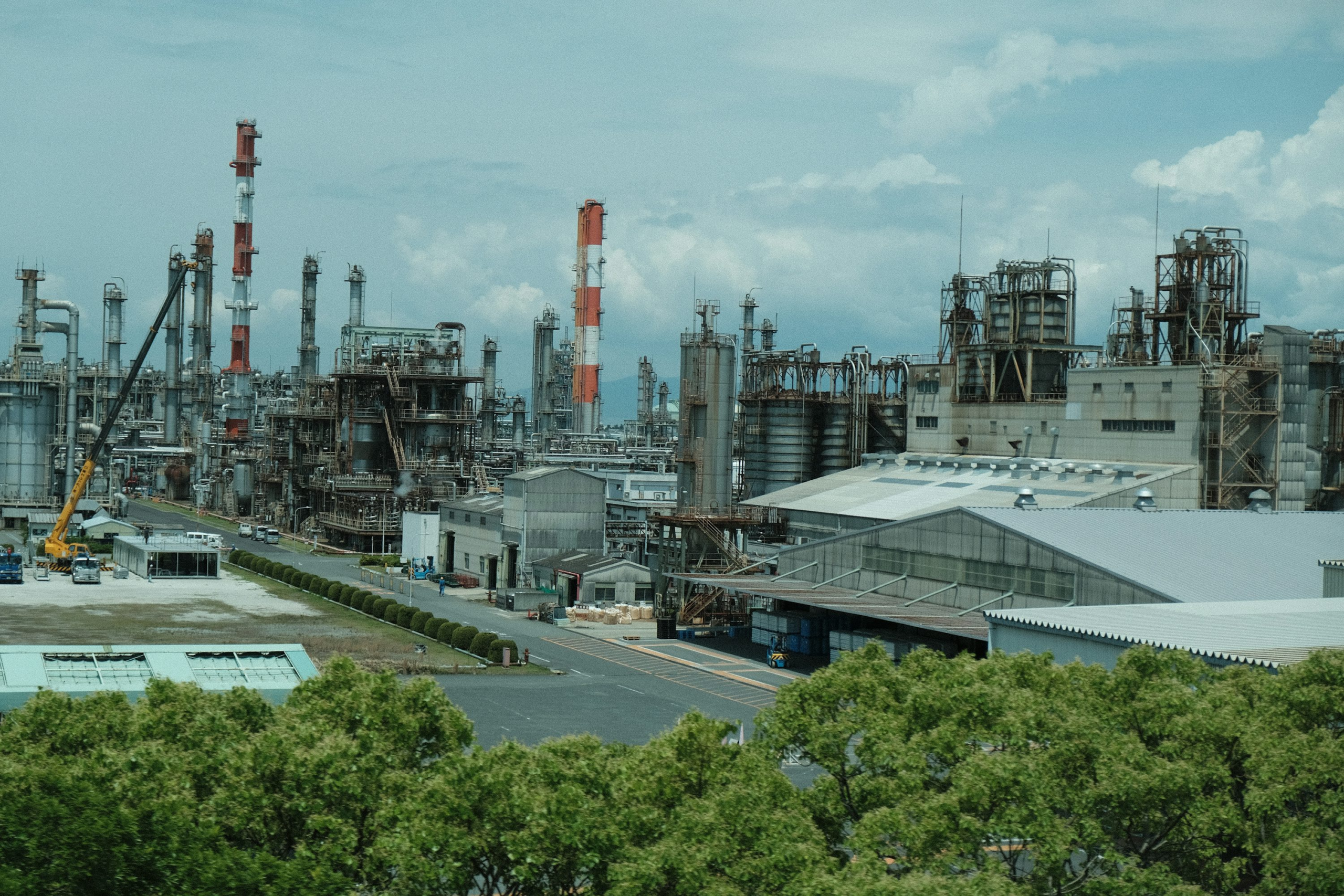
Grupa Azoty is reconsidering previous plans to reduce Polish fertiliser production capacity as supply disruption, trade measures, and concerns over European food security change the economics of domestic ammonia and nitrogen fertiliser production.
Chief executive Marcin Celejewski has said the company is restarting its ammonia production capacities and reassessing earlier proposals that would have increased dependence on imported material. A larger rebuilding programme remains under consideration rather than formally committed, with financing and European policy support likely to determine how far the strategy can be taken.
The change reflects the unusually volatile economics of ammonia. Conventional production relies heavily on natural gas, both as feedstock for hydrogen production and as a major energy input, leaving European fertiliser plants exposed when regional gas prices rise above those paid by competitors elsewhere.
That exposure became acute after 2022. European producers curtailed ammonia and fertiliser output as energy prices rose, while imported products from lower-cost regions became more attractive. What made sense for an individual plant created a broader strategic problem as agricultural supply chains became more dependent on external production.
Recent disruption has changed the calculation again. War, shipping risk, trade restrictions, and supply-chain instability have increased the value placed on domestic capacity, while EU measures affecting imported fertilisers and their carbon content are narrowing some of the cost difference between European and overseas production.
Grupa Azoty is consequently treating fertiliser manufacturing less as a commodity business that can be switched between domestic and imported supply solely on current price, and more as an industrial capability whose availability has implications for agricultural security.
The company is also reconsidering land at its Police complex in north-western Poland. An area previously associated with a green-ammonia proposal is being examined for possible conventional ammonia investment, although the company has not yet committed to constructing new capacity there.
That possibility exposes the tension between immediate security of supply and longer-term decarbonisation. Conventional ammonia is carbon intensive, while low-carbon alternatives based on renewable hydrogen remain considerably more dependent on electricity prices, electrolyser utilisation, new infrastructure, and high upfront investment.
Restarting existing assets can therefore offer a quicker route to production even where the longer-term intention remains to reduce emissions. The question is whether those assets can operate competitively for long enough to justify the capital needed to maintain and modernise them.
Grupa Azoty does not approach that decision from a position of unlimited financial flexibility. The group has been restructuring after several difficult years shaped by high gas prices, weak chemical markets, and debt associated with the Polimery Police petrochemical development.
Its current plan includes negotiations with lenders over long-term debt restructuring, a proposed equity issue involving the Polish State Treasury, and completion of the planned disposal of Grupa Azoty Polyolefins to Orlen. Until that work advances, management has limited scope for another major capital programme.
Operating performance has nevertheless improved. Grupa Azoty reported first-half 2026 sales of PLN7.073 billion and EBITDA of PLN610 million, while second-quarter revenue reached PLN3.373 billion with EBITDA of PLN294 million. Management linked the improvement partly to firmer fertiliser and chemical pricing despite continued pressure from natural gas costs.
The company has also reported increasing interest from European customers seeking more secure local sources as geopolitical disruption affects international supply. That demand is important because ammonia and fertiliser plants rely on high utilisation to spread their large fixed costs over sufficient production volume.
A restarted plant which remains idle whenever imported material becomes temporarily cheaper will not provide much industrial resilience and may struggle economically. Conversely, preserving too much high-cost capacity without dependable demand simply transfers the problem to the producer’s balance sheet.
Policy therefore has an unusually direct role. Energy prices, carbon costs, border measures, agricultural support, trade restrictions, and state-aid rules all influence whether European fertiliser capacity can compete with plants in regions enjoying cheaper gas or less expensive environmental compliance.
Celejewski has stopped short of presenting the proposed rebuilding as a settled investment programme. That distinction matters while the company is still restructuring its finances and the geopolitical conditions supporting higher European fertiliser prices could change again.
The more immediate change is the return of ammonia production. After several years in which European chemical companies repeatedly considered idling capacity and buying material from overseas, Grupa Azoty is now moving in the opposite direction. Whether that becomes a permanent rebuilding of Polish fertiliser manufacturing will depend on whether Europe is prepared to pay for resilience once the latest supply shock is no longer dominating the market.
