IMI has introduced a cloud-hosted version of its SolidRed industrial asset-monitoring platform, reducing the amount of on-site computing and network infrastructure required to deploy condition monitoring across industrial sites.
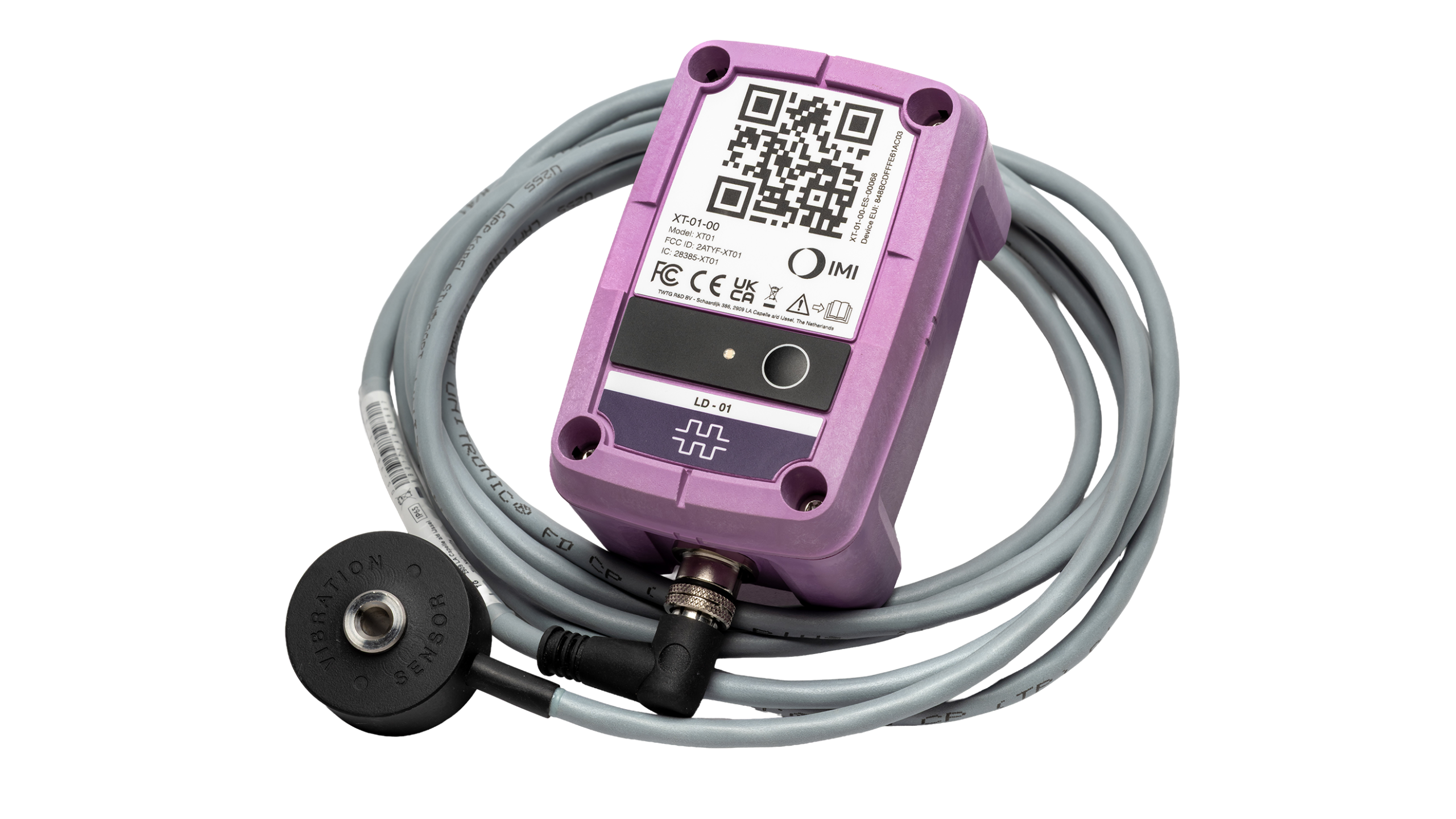
SolidRed Cloud collects and presents information from IMI TWTG NEON industrial IoT sensors, including devices used for temperature, pressure, vibration, and other asset-monitoring applications. Data is transferred through LoRaWAN infrastructure before being made available for remote analysis through the platform.
IMI will continue offering the existing on-premises version of SolidRed. The cloud option is aimed at plants where installing and maintaining dedicated servers, network infrastructure, and supporting IT systems would otherwise make a monitoring project difficult to justify.
That distinction matters because the sensor is often the least complicated part of condition monitoring. A device can measure vibration or temperature relatively easily; the industrial problem begins when that information has to be collected reliably, associated with the correct asset, stored securely, presented to maintenance staff, and retained for long enough to reveal deterioration.
Traditional implementations may therefore require server hardware, local software, network configuration, data management, cybersecurity review, backup arrangements, and continuing IT maintenance before the first useful condition trend reaches an engineer.
IMI says SolidRed Cloud can shorten that deployment process, with sensors capable of being installed and teams beginning to assess asset condition within the same week where site infrastructure and connectivity are suitable.
Vibration monitoring provides one of the more technically detailed use cases. A rising overall vibration value can indicate that the mechanical condition of rotating equipment is changing, while frequency-spectrum information gives specialists more detail for investigating the source.
Patterns in the spectrum can help an experienced vibration analyst distinguish between possible causes such as imbalance, misalignment, looseness, bearing deterioration, or another developing mechanical condition. The platform provides the evidence; diagnosing the correct fault still depends on understanding the machine, its operating state, and the quality of the measurement.
Temperature and pressure sensors extend monitoring into a wider range of process assets. Changes may reveal altered operating loads, restricted flow, cooling problems, abnormal process conditions, or other issues depending on where and how the device is installed.
The value generally comes from trend rather than a single measurement. An individual reading may sit comfortably inside a permitted range while a gradual shift over several weeks shows that an asset is moving away from its established behaviour.
SolidRed combines those trends with alerts, historical information, and an event centre intended to give maintenance teams a consolidated view across connected equipment. That becomes increasingly important as monitoring expands from a small number of critical machines towards hundreds or thousands of sensors.
Without sensible alarm management, a large sensor network can simply replace insufficient information with excessive information. Maintenance teams need thresholds and workflows that distinguish a developing fault from normal production variation rather than prompting an investigation every time operating conditions change.
IMI says approximately 15,000 SolidRed devices are currently in use at customer sites. The cloud service potentially widens the addressable asset population by lowering the local IT burden associated with adding monitoring to smaller plants or less critical equipment.
LoRaWAN helps that proposition because it is designed for relatively low-bandwidth data over comparatively long distances while allowing battery-powered sensors to operate for extended periods. That can make it practical to reach equipment where adding new signal cabling would be costly or disruptive.
Wireless connectivity introduces its own design considerations. Radio coverage, site construction, network ownership, cybersecurity policy, update frequency, data volume, and hazardous-area requirements all affect whether a wireless sensor is appropriate for a particular installation.
The continued availability of on-premises SolidRed is therefore important. Some sites will accept cloud connectivity readily; others operate under policies that keep equipment and operating information within local infrastructure. A useful industrial platform has to accommodate both positions rather than treating the cloud as an end in itself.
Condition monitoring also produces value only when the maintenance organisation can act on the information. Detecting bearing deterioration early is useful if a technician can investigate the fault, parts can be obtained, and work can be scheduled before failure. An alert which simply sits in another dashboard has achieved very little.
The economic opportunity is to extend that process beyond only the most expensive assets. Traditional monitoring programmes concentrate naturally on machinery whose failure would stop a plant or create substantial cost. Lower deployment overhead can make continuous monitoring viable for a wider tier of pumps, motors, valves, steam systems, and other equipment where individual failures are less dramatic but collectively consume considerable maintenance time.
SolidRed Cloud therefore removes one technical obstacle rather than the whole predictive-maintenance problem. IMI can simplify the route from sensor to condition data; industrial operators still have to turn that data into better interventions. The useful measures remain stubbornly physical — fewer unexpected failures, better-planned work, and equipment kept available for longer.