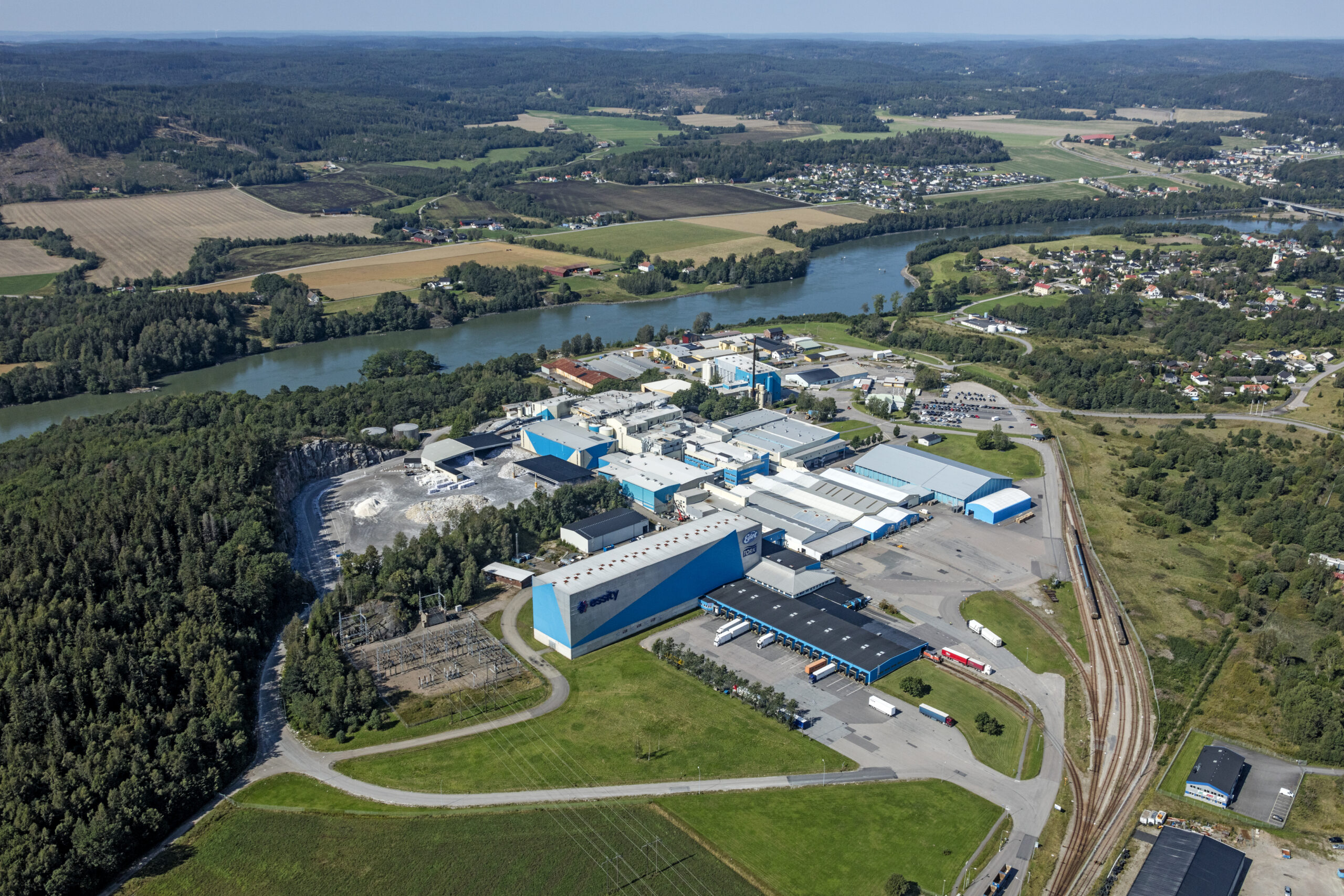
Essity plans to invest approximately SEK 850m over three years in a tissue machine at Lilla Edet, Sweden, with operation expected in the fourth quarter of 2028. The equipment is intended to serve its Tork professional hygiene business and to produce several tissue grades using virgin or recycled fibre. Essity says the new machine will have 50% more production capacity than the existing machine it is comparing it with, not that total factory output will increase by the same percentage.
About 400 people work at Lilla Edet, a site within Essity’s European production network that makes tissue largely for Professional Hygiene and to a lesser extent Consumer Tissue. Hand towels, toilet tissue, napkins and wiping products have different operating and quality requirements, so the ability to produce several grades offers more options for managing production schedules and customer demand. The company has not published a new employment projection associated with the investment.
Fibre flexibility is a central element of the planned machine. Tissue manufacture starts with preparation of a fibre suspension, formation of a wet sheet and the removal of water through pressing and drying, followed by conversion into saleable formats. Fibre properties affect sheet strength, absorbency, formation and the energy needed to process the material. Essity says the equipment will accept both virgin and recovered fibre, but has not specified individual furnish recipes or the percentage of recycled input for each product.
Recovered fibre can arrive with different fibre lengths, contaminant levels and processing histories from virgin grades. The preparation system may therefore need to adjust cleaning, refining and blending to preserve the properties needed by the tissue machine. That flexibility can support choices about feedstock availability and cost, but it is not evidence that recycled fibre is interchangeable with every virgin grade or that any finished product will contain a specified recycled content.
Making several tissue products also requires coordination between the sheet produced by the machine and downstream converting equipment. Hand towels, napkins and toilet tissue need different combinations of basis weight, absorbency, strength and folding or winding operations. Scheduling product changes means controlling grade specifications and equipment settings across those stages. Essity has not disclosed the machine’s design width, speed or detailed converting arrangements, so those parameters cannot be attributed to the forthcoming installation.
The 50% figure refers specifically to production capacity relative to an existing machine. It does not establish a corresponding increase in all output at Lilla Edet or across Essity’s Professional Hygiene division. Overall throughput will depend on running hours, product mix, the availability of pulp and recovered fibre, utilities, maintenance and downstream conversion. Essity has not stated an absolute annual tonnage for the new machine.
Integrating a new tissue machine will involve utilities and controls as well as the papermaking equipment itself. Fibre preparation, water systems, steam and drying energy, drives, ventilation, monitoring and material handling must be capable of supporting the intended operating conditions. Installation and trial production will also have to be planned around existing activity at the plant. The announced three-year investment period and fourth-quarter 2028 start-up target leave substantial engineering and commissioning work before the new rated capacity is available.
The Tork portfolio supplies consumables to workplaces, hospitals, hospitality operations and public facilities, where customers typically need repeatable quality and predictable deliveries. By broadening the range of tissue grades produced on a machine, the investment could give the factory more room to respond to changing orders without depending on one product format. Essity describes the project as supporting future demand, but has not disclosed a sales forecast or additional order commitments attributable to it.
Pablo Fuentes, President of Professional Hygiene at Essity, described the machine investment as part of the division’s growth plan. That position is supported by the announced capacity and flexibility objectives, but the company has not provided a named equipment supplier, a confirmed building programme or a figure for jobs created. Those omissions limit the precision of claims about the procurement or construction work still to take place.
The ability to use different fibre sources does not, by itself, establish a reduction in emissions, energy consumption or water use. Those outcomes depend on the equipment’s eventual operating efficiency, the characteristics of the furnish, waste streams and the product mix. No quantified environmental saving for this investment was included in Essity’s announcement, so its process flexibility should be treated separately from any future sustainability assessment.
The next phase at Lilla Edet will be procurement, integration and commissioning ahead of the planned fourth-quarter 2028 start. The investment and relative capacity specification are established commitments and design objectives, while actual production and the balance of tissue grades will become measurable only after the equipment has entered operation.

