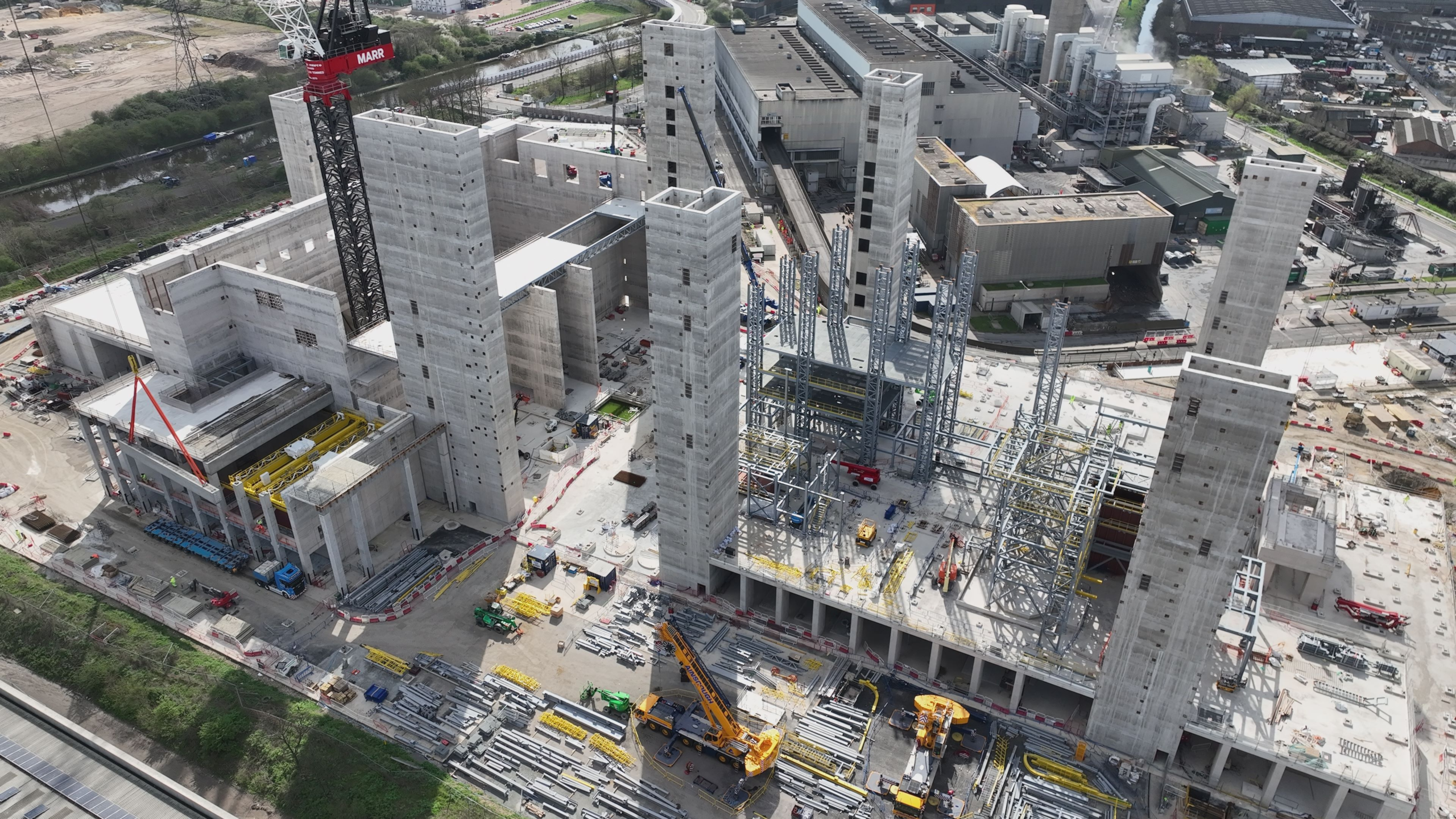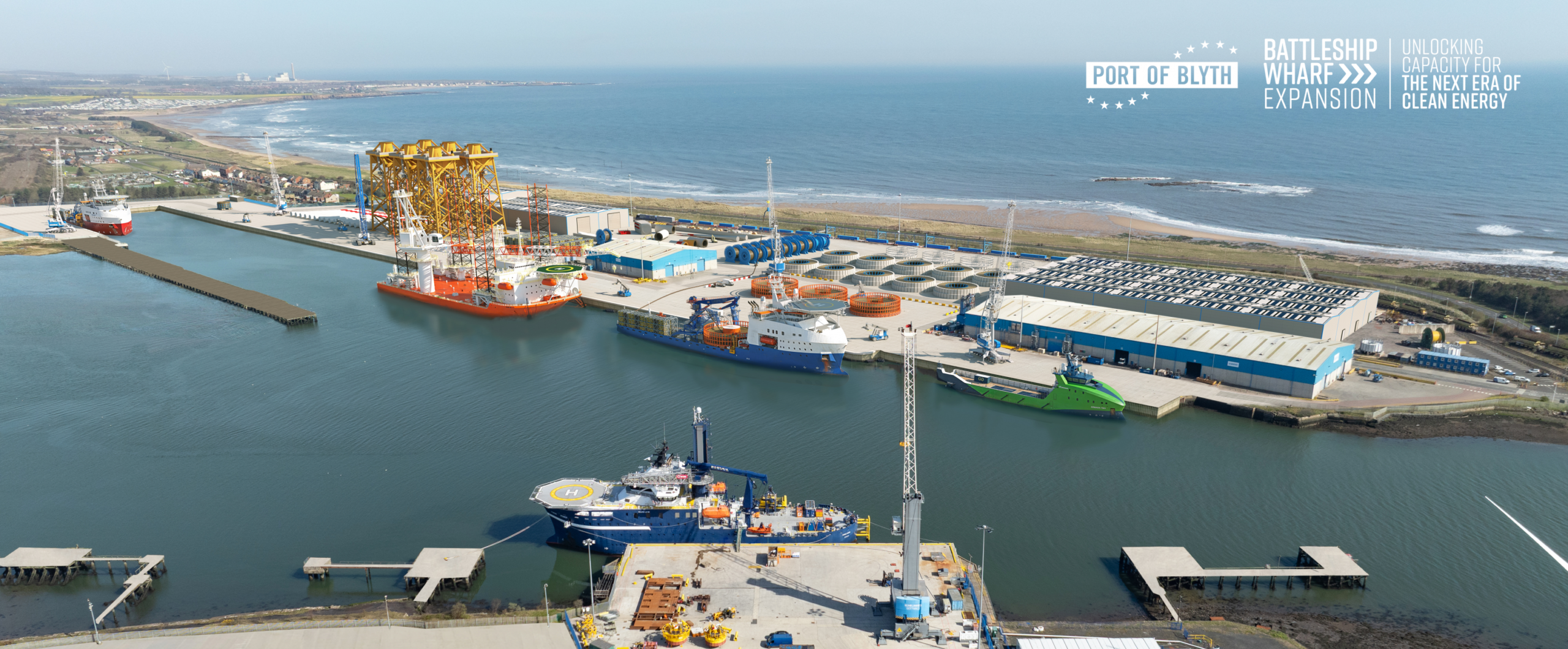
Port of Blyth has set out a phased infrastructure strategy worth up to £200m, extending its proposed offshore energy facilities beyond the Battleship Wharf development previously announced in May. The Future Ready programme covers Battleship Wharf, South Harbour and Bates Clean Energy Terminal, with quay extensions, additional industrial land and changes to the navigation channel intended to increase the size and complexity of cargoes the Northumberland port can handle.
Launched on 12 November during Offshore Wind North East and a visit by Maritime Minister Keir Mather, Future Ready combines several developments across the three port areas. Its early phase has a funding arrangement involving Port of Blyth, Northumberland County Council and the North East Mayoral Strategic Authority. The wider £200m headline represents a phased programme, not one signed construction contract with all expenditure committed.
Approximately three hectares of land would be reclaimed at Battleship Wharf under the plan. Additional usable land alongside a working terminal can provide staging space for large components before loading, assembly or onward transport. Offshore wind equipment often requires more than a vessel berth: transport routes, cranes, supporting structures and temporary storage all have to work together so that long or heavy cargo can move safely between production areas and the ship.
Quay extensions at Battleship Wharf, South Harbour and Bates Clean Energy Terminal would increase the length or configuration of waterfront available for handling cargo, alongside proposed manufacturing, fabrication and storage areas. The port is seeking to link those functions within the Energy Central industrial cluster, where offshore energy suppliers could carry out activities on land before moving components through the terminals. No individual quay lengths, load ratings or detailed construction sequences have yet been published for every proposed extension.
The Channel and Berth Deepening Project would deepen the main navigation channel by approximately one metre and undertake associated berth works, improving a key aspect of vessel access. Usable water depth limits a ship’s draught and the under-keel clearance needed for safe passage; berth geometry, tidal conditions and quayside load capacity also affect the size of vessel and cargo a terminal can accommodate. The precise change in permitted vessel dimensions will depend on the final engineering and navigation assessments, which have not been published in the launch details.
The port expects the improvements to support larger offshore wind projects and the movement of increasingly complex cargoes. Assembly and marshalling sites need access to marine infrastructure at the right stage of a project’s delivery sequence, particularly when weather, installation-vessel availability and offshore construction schedules constrain departures. A larger yard without sufficient quayside access can create a bottleneck; similarly, an accessible berth without suitable space behind it has limited industrial value. The proposed combination of land, quays and channel works addresses those connected constraints.
The programme includes the Battleship Wharf expansion first announced in May as an investment of up to £100m. That earlier proposal is part of the new up-to-£200m total, not additional expenditure on top of it. Future Ready extends the intended works to South Harbour, Bates Clean Energy Terminal and marine access. The port has not disclosed a fully funded £200m capital plan, phase-by-phase budgets or firm operational dates for each proposed facility.
The first development phase is being jointly funded by the port and the two regional public authorities, with £275,000 of matching support from The Crown Estate’s £50m Supply Chain Accelerator Fund. That award supports early development and should not be mistaken for construction finance for the whole programme. Detailed design, permissions and subsequent investment decisions will determine how the separate quay, land and navigation projects advance.
Martin Lawlor OBE, Chief Executive of Port of Blyth, said the approach would strengthen infrastructure and create opportunities to attract inward investment. Mather welcomed the announced programme as part of the wider effort to draw investment into UK ports and shipping. The underlying commercial case rests on the port’s ability to attract projects and businesses that need access to a North Sea offshore energy supply chain and can make sustained use of additional capacity.
Blyth’s offshore wind operations span more than 25 years, and local engineering, fabrication and marine businesses form part of the supply chain it is seeking to expand. A fabrication business based at the port would still need suitable road and internal terminal access, lifting equipment and marine slots to move completed structures. Those connected logistics requirements shape the proposed combination of reclaimed land, quayside capacity and deeper vessel access rather than the provision of land alone.
Design and stakeholder engagement now precede the individual construction decisions. Once the quay extensions, dredging works and land reclamation are sufficiently defined, their sequence and financing will determine when greater vessel access and manufacturing space can be offered to customers. Neither a final completion date for the £200m programme nor a confirmed capacity increase in tonnes or vessels has been published.