Testo has introduced a cloud-hosted version of its Saveris 1 environmental monitoring platform aimed at pharmaceutical and other regulated operations, combining centralised measurement-data management with software release controls designed around validation requirements.
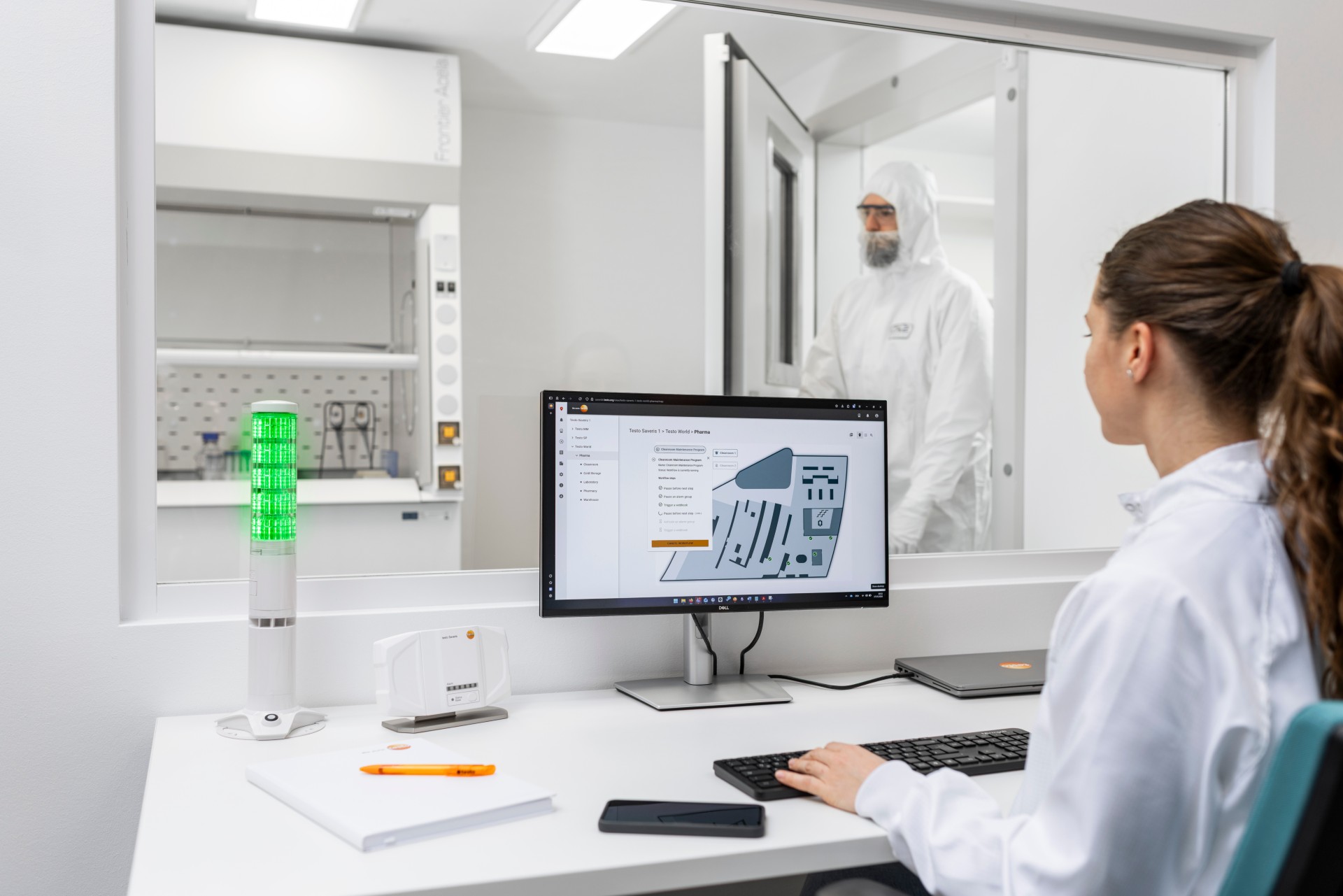
testo Saveris 1 Cloud collects measurements from sensors, data loggers and multiple locations on a central platform, giving authorised users browser-based access to current conditions, historical records, trends, alarms and audit information without running the monitoring application on their own local server.
The unusual part of the architecture is an optional Version Freeze configuration for validated systems. Testo says customers can retain a defined, approved software version for at least three years rather than being forced onto every cloud software release as it becomes available.
That addresses a conflict between conventional software-as-a-service practice and regulated manufacturing. Frequent updates are attractive in ordinary enterprise software because new functions, security changes and bug fixes can be deployed centrally. In a GxP-controlled system, however, a software change can require assessment, testing, documentation and potentially revalidation before it can be accepted into use.
Automatic changes can therefore create additional work even when the new software is technically better. Version Freeze gives regulated customers more control over when a validated configuration changes, allowing upgrades to be aligned with internal validation schedules rather than the supplier’s general release cycle.
Testo offers different cloud configurations according to those needs. Its current Saveris 1 Cloud portfolio includes Standard Rolling, CFR Rolling and CFR Version Freeze, allowing organisations with different regulatory obligations to choose how software updates are managed.
The CFR configurations support functions required in regulated electronic-record environments, including access controls, audit trails and approval workflows. The platform is designed to support GxP compliance and FDA 21 CFR Part 11 requirements around electronic records and signatures.
Testo also provides qualification documentation for Installation Qualification, Operational Qualification and Performance Qualification. Those packages do not transfer responsibility for validation away from the regulated company, but they give users documented evidence around the installation and operation of the monitoring system.
That matters because environmental monitoring in pharmaceutical manufacturing is not simply a facilities-management task. Temperature, humidity and other parameters can form part of the evidence that cleanrooms, production areas, laboratories and warehouses remained within validated operating conditions.
If a deviation occurs, the record has to establish what happened, when it happened and how the event was handled. The system therefore has to preserve historical measurements and alarm information while controlling who can alter configuration or acknowledge an exception.
Moving the application into Testo’s cloud changes the IT responsibility model. Hosting, application maintenance, backups and software operations are managed by Testo rather than the customer maintaining a dedicated application server inside its own infrastructure.
That can remove routine IT work, but it creates an obvious operational concern: a monitoring system cannot become blind to critical conditions simply because the site loses its internet connection.
Testo has retained independent alarm capability around that scenario. The supplied system information states that alarm notifications, including SMS alerts, can continue when the connection to the cloud is interrupted, while redundant storage protects measurement records until normal communication is restored.
This separation between data-hosting architecture and local alarm response is important in quality-critical environments. A cloud outage may be acceptable for dashboard access for a short period; failure to notify staff that a storage room or cleanroom has moved outside specification may not be.
The hardware layer remains based on the wider Saveris 1 platform. Customers can combine sensors, data loggers and base stations across multiple locations while changing the software deployment model without necessarily replacing the measurement infrastructure already installed in the facility.
Testo also supports external system integration, including links to building management and laboratory information management systems. Connecting environmental data with other plant systems can reduce manual transfer and give quality teams a broader view of operating conditions.
Every interface introduces another validation consideration. Data exchanged between applications must remain traceable and protected, while responsibilities around changes to the connected systems have to be understood. Moving Saveris 1 into the cloud reduces local application maintenance rather than eliminating regulated change control.
The initial target market includes GMP manufacturing, cleanrooms, laboratories, storage facilities and other quality-critical processes. Similar requirements also appear outside pharmaceuticals wherever manufacturers must demonstrate that environmental conditions remained inside a controlled range.
The important distinction is that Testo has not simply hosted an existing application remotely. The company has altered the normal cloud release model to accommodate organisations for which an unexpected software update can be an operational compliance event.
For regulated users, that makes version management part of the product specification alongside sensor accuracy, alarm reliability and data retention. Cloud infrastructure can reduce the burden of servers and backups, but predictable software change is what determines whether that convenience survives contact with a validated production environment.