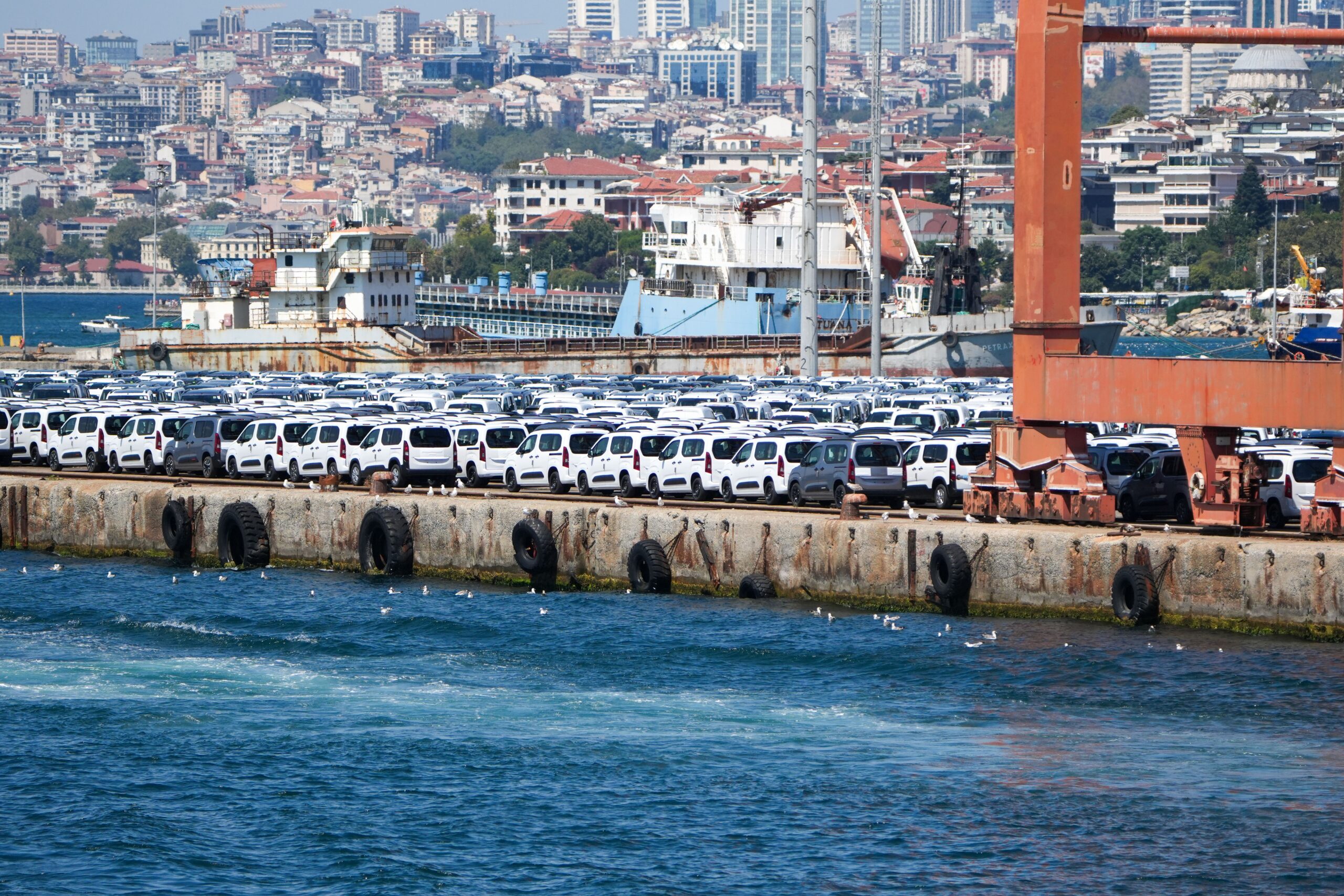
The European Commission has reached an understanding with China on limiting imports of Chinese-built hybrid vehicles. Reuters reported on 12 October that the proposed safeguard would initially permit 350,000 vehicles annually, most likely from early December 2026, with the limit rising by 6% a year over a four-year period. The proposal follows several months of trade negotiations.
The negotiations involved EU Trade Commissioner Maroš Šefčovič and Chinese Commerce Minister Wang Wentao. European officials have linked the arrangement to a rapid increase in imports of hybrid and plug-in hybrid cars. Reuters cited a projection of up to 800,000 Chinese-built hybrids entering the EU during 2026; that is an estimate for the year, not a completed import count.
China’s Ministry of Commerce has described the outcome differently, stressing that exports should continue to grow from their 2025 level. Citing Eurostat, it said EU imports of Chinese hybrid vehicles rose from 107,000 in 2024 to 302,000 in 2025. Beijing also said China should receive treatment no less favourable than other supplying countries and called for compliance with World Trade Organization rules. Beijing’s emphasis is therefore on the baseline for future trade rather than on the European estimate of the ceiling.
The proposed safeguard concerns finished hybrid vehicles, including plug-in hybrids, rather than the individual components used to assemble them. It is distinct from the EU’s additional anti-subsidy duties on battery electric vehicles. A quota governs the number of vehicles admitted under an import arrangement, whereas a duty changes the cost of importing an eligible vehicle. How the proposed ceiling will be allocated and administered remains important to the operation of the measure.
Reuters reported that the safeguard would also apply to other EU trading partners. The allocation between origins will determine how the agreed quantities translate into permitted shipments. Vehicles assembled within Europe also present a different question of origin from finished vehicles imported from Chinese factories; the classification must be determined under the eventual rules.
The hybrid negotiations are separate from the Industrial Accelerator Act, which proposes European-content conditions for selected industrial procurement and support measures. One concerns imports of completed vehicles, while the other addresses requirements attached to particular industrial activities and public schemes.
The next operational details are the legal start date, product classifications, annual accounting period and allocation procedure. Until those are issued, the 350,000 figure remains a reported framework for the agreement rather than a complete set of import instructions.