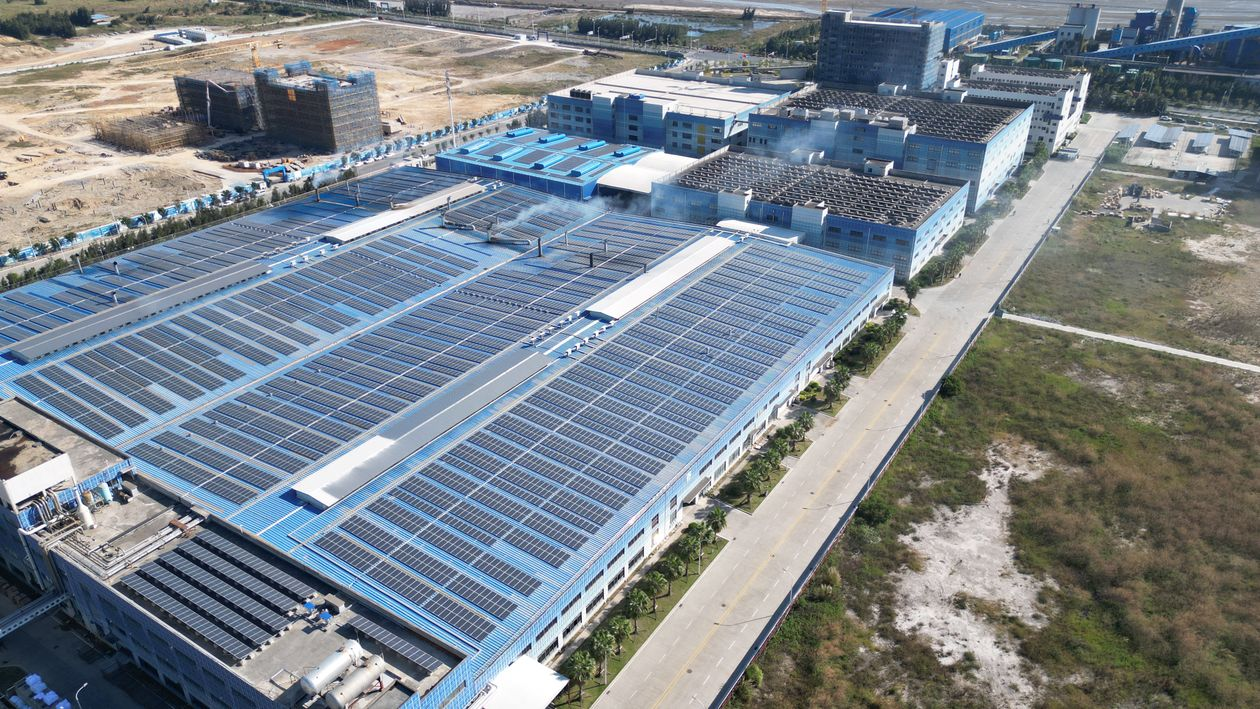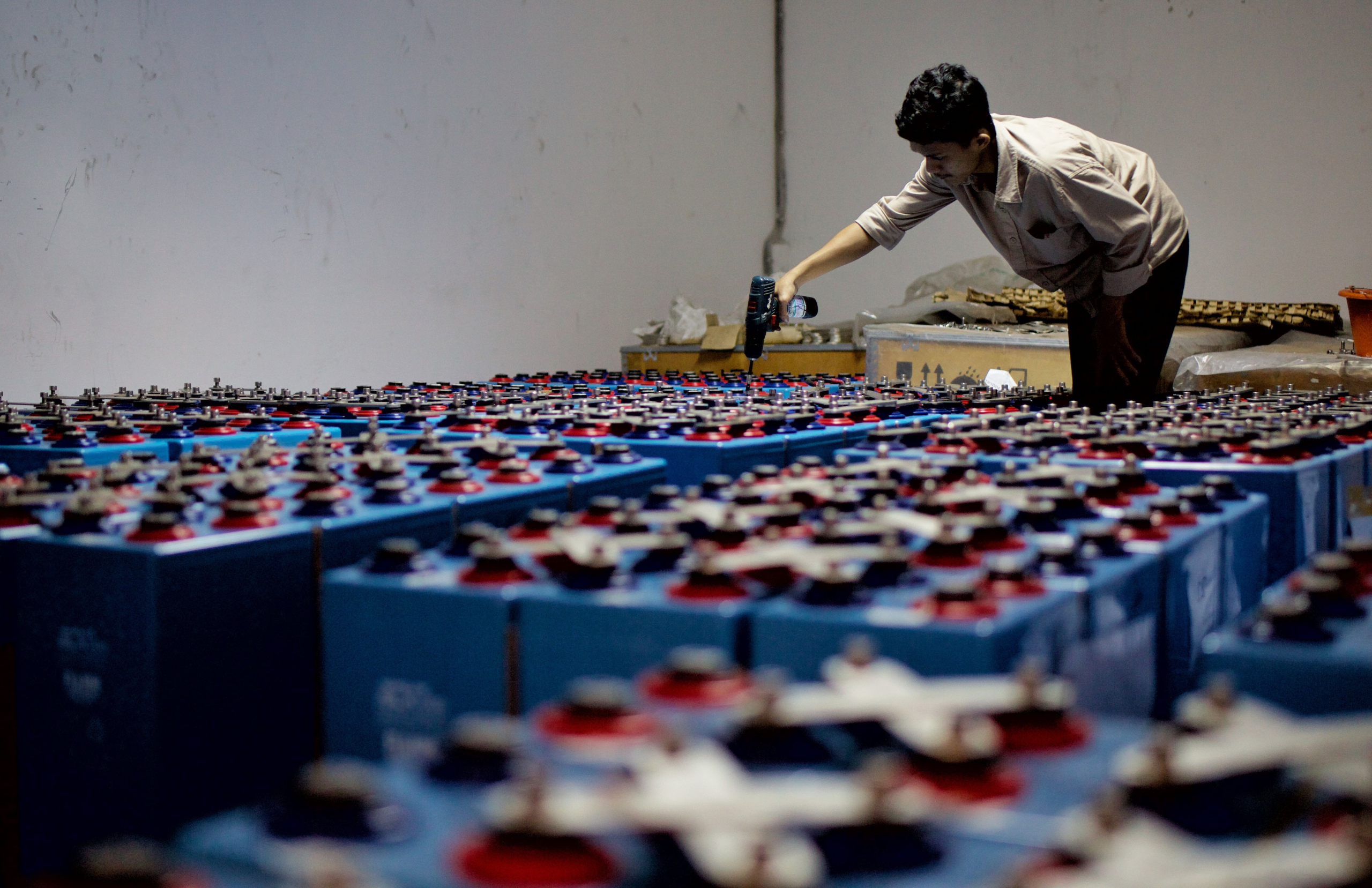
NEU Battery Materials has commissioned its first industrial-scale lithium iron phosphate (LFP) battery recycling facility in Singapore, alongside the close of an oversubscribed US$7.6 million investment round. The plant in Tuas occupies approximately 12,000 sq ft and is designed to process up to 1,300 tonnes of battery materials annually. NEU is increasing production following commissioning; that figure is rated feedstock capacity, not the quantity already processed or the mass of lithium recovered.
The facility will take cathode production scrap and black mass from spent batteries. Manufacturing scrap can provide material before finished batteries reach the end of their service lives, while black mass is produced when batteries are prepared for recovery and their constituent materials are separated. These inputs differ in composition and preparation requirements, making consistent lithium recovery dependent on the feedstock entering the process.
NEU is concentrating on LFP chemistry, which contains no nickel or cobalt in its cathode. Without those relatively valuable metals, the economics differ from recycling nickel-rich lithium-ion batteries. The company has developed an electrochemical redox-targeting process intended to extract lithium using electricity, water and regenerable chemical agents. NEU describes the method as an alternative to recycling routes involving more intensive thermal or chemical treatment, although the new facility has not yet reported independently verified operating yields or comparative treatment costs.
The recovered material is intended for use in battery manufacture. Reaching battery-grade specifications requires control over impurities and chemical consistency as throughput increases, particularly when incoming material varies between production residues and end-of-life battery fractions. The stated 1,300-tonne rating measures how much input material the facility is designed to handle; it cannot be used to calculate saleable lithium output without further recovery and product-quality data.
Shift4Good and Singapore government-backed SGInnovate co-led the financing round, with Lotus Singapore Group and M7 Holdings joining existing investor Paragon Ventures I. NEU announced an earlier first close of its pre-Series A round in January; the US$7.6 million is the completed financing round, rather than an additional amount on top of that earlier close. It plans to use the capital to increase production, reduce processing costs and develop international operations.