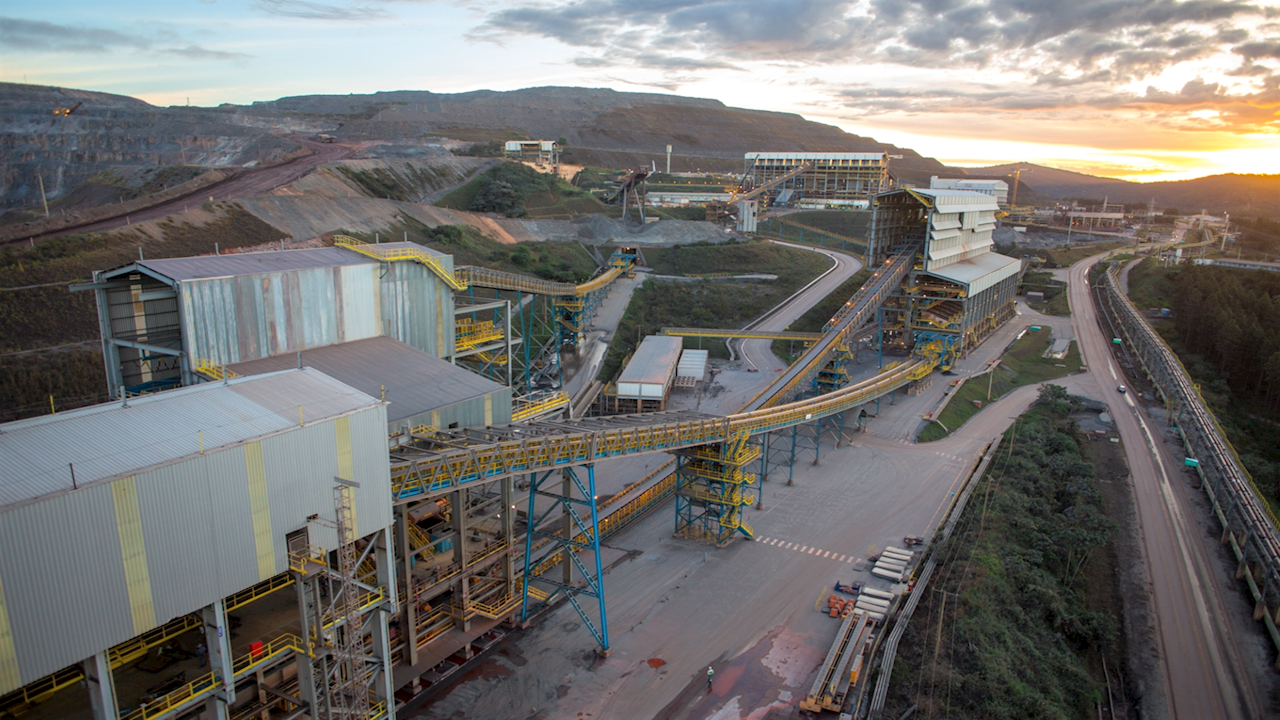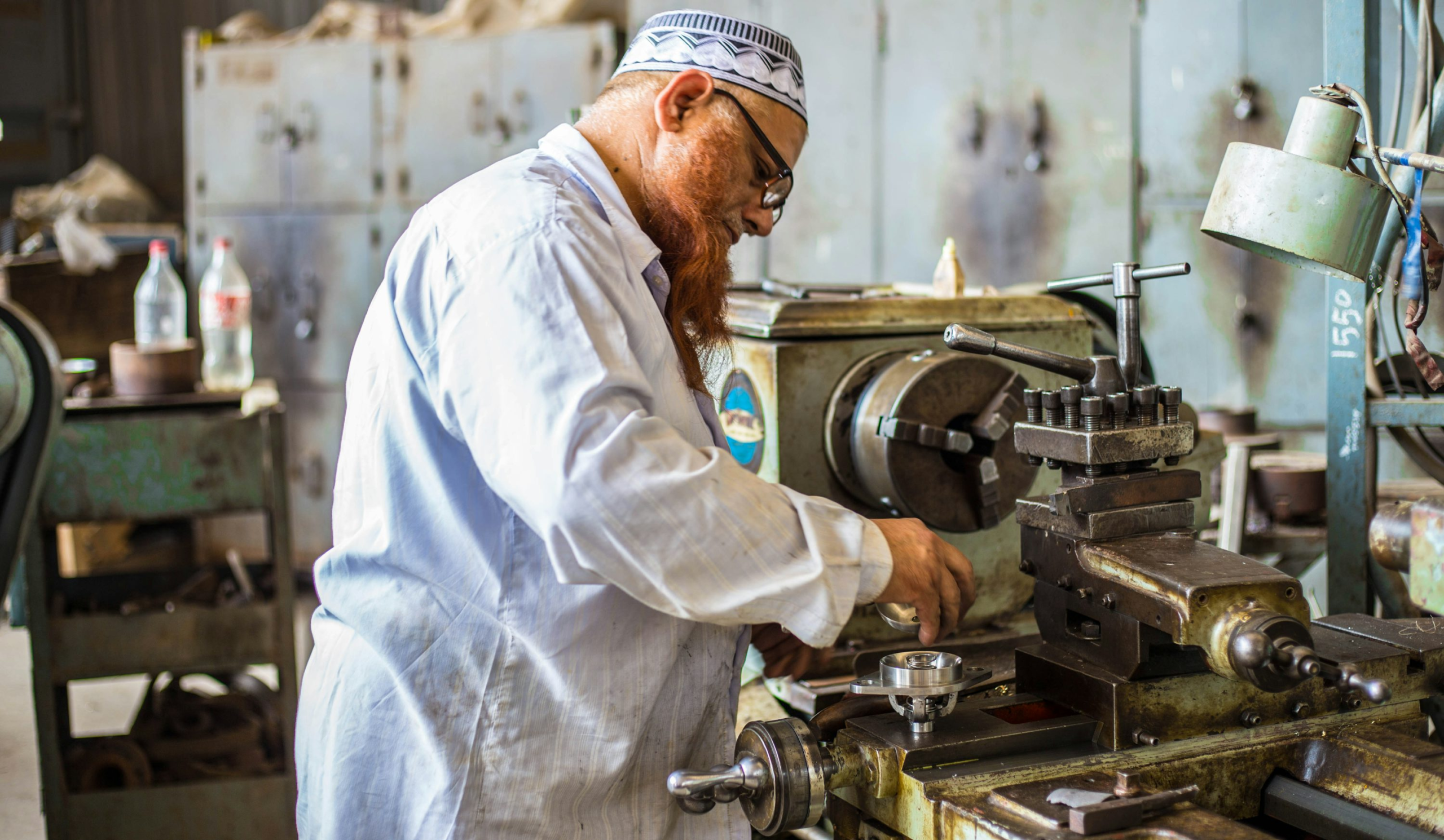
Stanley Black & Decker plans to invest $1 billion in the United States through 2028, dividing the programme broadly between research and development and capital expenditure intended to strengthen manufacturing and support new products. The tools group is coupling the industrial investment with a separate $60 million skilled-trades programme running through 2030.
Approximately half of the $1 billion is earmarked for R&D focused on next-generation tools and related technologies for professional users. The remaining half will support capital expenditure, longer-term manufacturing investment, and product-development infrastructure. The company has not yet provided a site-by-site breakdown, leaving the precise allocation between factories, machinery, automation, facilities, and development assets to emerge as individual projects progress.
The scale is nevertheless material. Stanley Black & Decker employs around 41,000 people and operates manufacturing sites internationally across a portfolio including DeWalt, Craftsman, Stanley, Black+Decker, and Cub Cadet. Its products range from hand and power tools to storage, engineered fasteners, outdoor equipment, and digital jobsite systems, connecting the investment with both manufacturing operations and customer industries facing their own productivity pressures.
Tool development increasingly combines mechanical engineering with electronics, batteries, motors, sensing, software, connectivity, and manufacturing-process design. A more powerful or efficient product may require changes not only to the design office but also to winding, machining, moulding, assembly, test, quality control, and supplier capability. Research and manufacturing expenditure therefore become difficult to separate neatly when a new product architecture has to be industrialised at volume.
That is particularly visible in cordless equipment. Higher-power battery platforms place greater demands on cells, thermal management, motors, power electronics, structural components, chargers, control software, and test procedures. Moving from a working prototype to repeatable production requires engineers to control tolerances, assembly sequences, component variation, heat, vibration, durability, and end-of-line verification across large numbers of units.
Stanley Black & Decker is positioning part of the programme around productivity in construction and the skilled trades. Labour availability remains a constraint for many contractors, but equipment manufacturers can address only part of it. Better tooling can reduce the time spent drilling, cutting, fastening, measuring, lifting, or carrying out repetitive work; it cannot replace the training, supervision, judgement, and site coordination needed to turn individual operations into a completed project.
The company is therefore running the separate DeWalt Grow the Trades initiative alongside the industrial programme, committing $60 million through 2030, of which $27 million has already been deployed. The workforce funding sits outside the $1 billion investment, but the two programmes are commercially connected. A manufacturer selling productivity technology into construction gains little if customers cannot recruit or retain enough skilled people to use and maintain it effectively.
Capital spending within the manufacturing footprint is likely to address the same tension between labour availability and output. Automation can remove repetitive material handling, improve consistency, and increase equipment utilisation, while digital production systems can make quality and maintenance data more visible. Those gains depend on process stability, however; automating a poorly controlled assembly or inspection step generally produces a faster version of the same defect problem.
Domestic investment can also shorten the feedback loop between product development and industrialisation where engineering teams and factories work closely together. Designers, process engineers, production staff, and suppliers can identify manufacturability problems earlier when prototypes and manufacturing processes are developed within the same technical network. That is particularly useful where multiple products share motors, battery interfaces, electronics, housings, fastening systems, or common assembly processes.
The US programme remains part of a global manufacturing network rather than a commitment to bring every production process in-house or relocate all output domestically. Tool manufacture depends on international supply chains for metals, polymers, batteries, electronics, bearings, fasteners, motors, and specialist machinery. Increasing domestic capacity can improve control over selected activities without removing exposure to international suppliers.
The absence of a detailed project list means the headline $1 billion should be treated as a multi-year R&D and capital commitment rather than $1 billion of new factory construction. Roughly $500 million is intended for research and development, while the remainder includes capital expenditure and manufacturing-related investment. The eventual industrial impact will therefore depend on which facilities, processes, technologies, and product programmes receive funding and whether that spending increases output, quality, resilience, or productivity.
Stanley Black & Decker has set 2028 as the horizon for the main programme, giving the company a relatively short period to turn the commitment into operating assets and development capacity. Investment announcements are easy to measure when they are made; useful industrial spending is measured later through equipment installed, products launched, processes stabilised, and factories that produce more reliably than they did before the money arrived.