Boliden can continue advancing its proposed Laver mine after the Swedish government rejected two appeals against the project’s mining concession. The decision leaves intact the concession granted by Sweden’s Chief Mining Inspector in September 2025, covering the right to extract copper, gold, silver, and molybdenum from the northern Swedish deposit.
The government decision removes one permitting obstacle but does not authorise mine construction. Boliden must now continue towards an environmental permit, and several development stages remain before the company can take an investment decision or begin mining. That distinction matters for a project whose potential scale makes the concession strategically significant but whose final capital commitment and operating configuration have not yet been approved.
Laver has been under exploration for nearly two decades and contains an indicated mineral resource reported by Boliden at 849.5 million tonnes with an average copper grade of 0.24%. The deposit is therefore large but relatively low grade, making process design, recovery rates, energy use, waste movement, water management, and overall mining scale important to the economics. Large resource tonnage does not automatically translate into profitable metal production when each tonne contains a modest concentration of the target commodity.
Boliden estimates that an operating Laver mine could double Swedish copper production and increase European copper self-sufficiency by roughly 10%. The company also sees potential for around 2,000 direct and indirect employment opportunities. Those numbers explain the strategic interest surrounding the project as European policymakers seek to strengthen domestic supplies of materials used across electrification, power networks, transport, electronics, machinery, and industrial infrastructure.
Copper’s importance is difficult to separate from the engineering systems consuming it. Motors, transformers, switchgear, cables, generators, charging systems, renewable generation, industrial automation, and data-centre electrical infrastructure all require substantial conductive material. Higher electrification therefore creates demand not simply for more generating capacity, but for the metals embedded throughout the equipment connecting generation with end use.
European supply security has consequently become a more prominent factor in mine development. Domestic extraction does not eliminate exposure to commodity cycles or processing constraints, but it can reduce dependence on imported concentrate or refined metal where regional mining, smelting, and recycling capacity can be linked effectively. Boliden already operates mines, smelters, and recycling activities, giving the group an existing metallurgical network into which a future Laver operation could potentially feed.
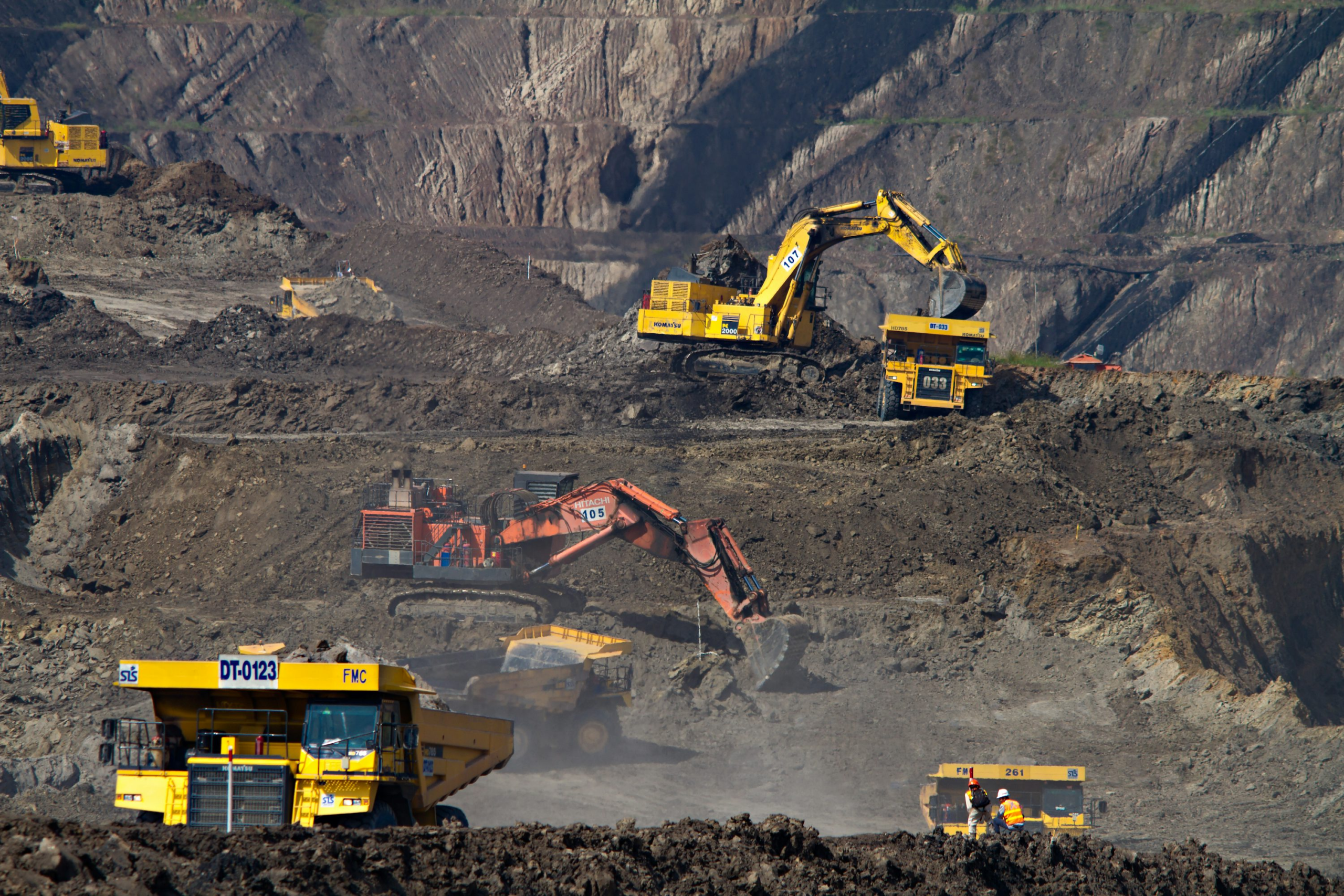
The project’s engineering challenge begins well before any ore reaches a smelter. A deposit of Laver’s scale requires decisions around mine layout, material movement, crushing, grinding, concentration, tailings, water treatment, power supply, transport, and site infrastructure. Low ore grades place particular pressure on material-handling efficiency because large quantities of rock have to be mined and processed for every tonne of copper recovered.
Energy performance will also influence the project’s industrial case. Comminution — the crushing and grinding needed to liberate minerals from ore — is typically one of the most electricity-intensive parts of mineral processing. Equipment selection, ore characteristics, plant layout, throughput, and recovery strategy therefore affect both operating cost and emissions. Boliden has linked Laver with its ambitions for lower-carbon copper, but the environmental-permit process will have to address the physical impacts and operating requirements of the project rather than rely on the strategic value of its output.
The Laver area has mining history extending back to an earlier copper operation that closed in 1946. Modern development would be substantially different in scale, technology, environmental controls, and regulatory expectations. Historical mining establishes geological and industrial precedent, but it does not remove contemporary requirements around land use, communities, biodiversity, water, waste, and long-term closure planning.
The rejected appeals therefore represent a meaningful development without being the end of the permitting process. Mining concessions establish rights to exploit a mineral resource, while environmental permitting determines whether, and under what conditions, a proposed operating system can proceed. Boliden must still convert the geological case into an acceptable mine and processing design before capital approval becomes realistic.
For European industry, Laver is significant because the numbers are large enough to affect regional copper supply if the mine is eventually built. For Boliden, the immediate consequence is narrower: a concession granted in 2025 has survived its appeals, allowing environmental permitting to move to the foreground. The next decisive milestones will concern engineering, environmental conditions, capital requirements, and whether the resource can support an investment case at industrial scale.