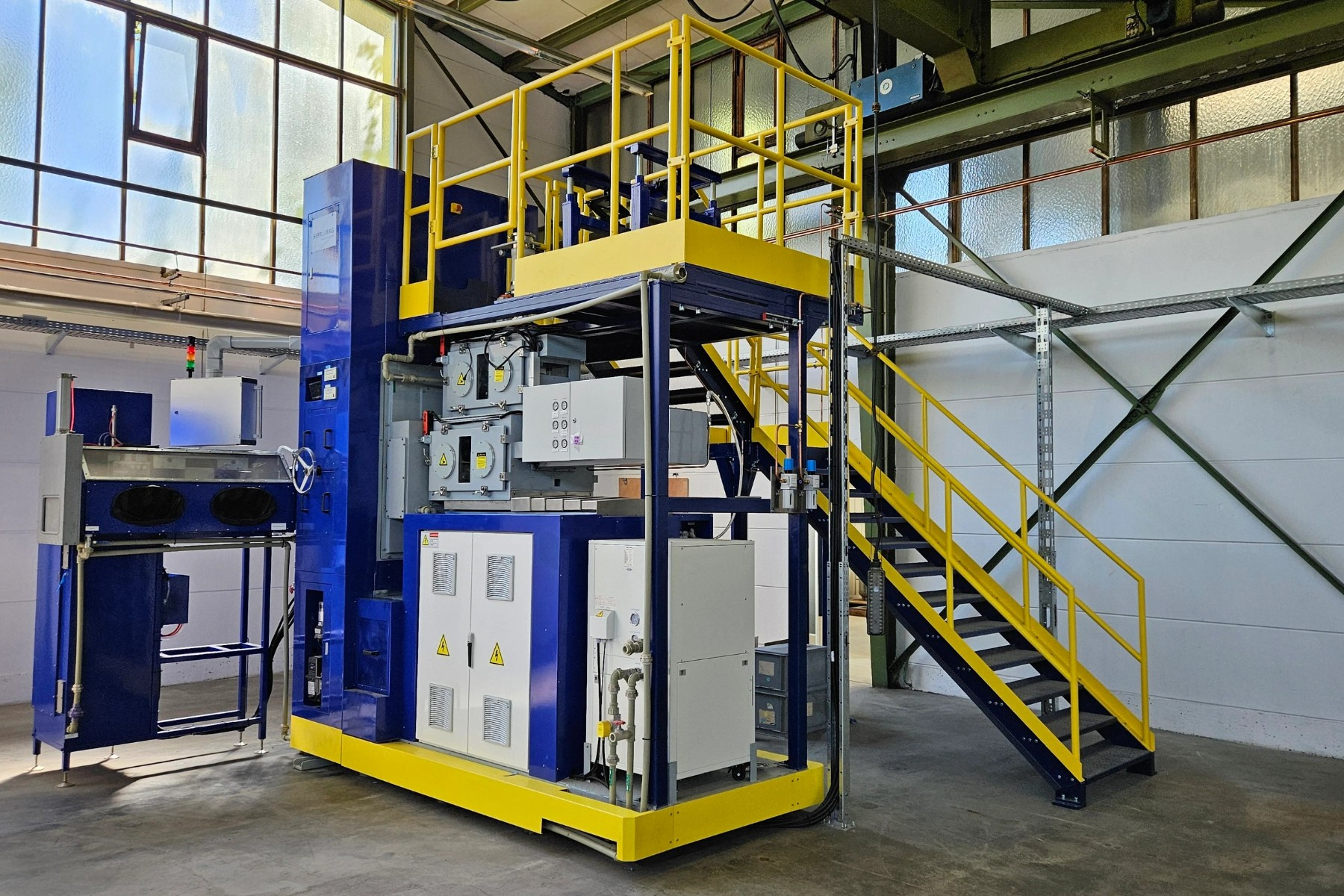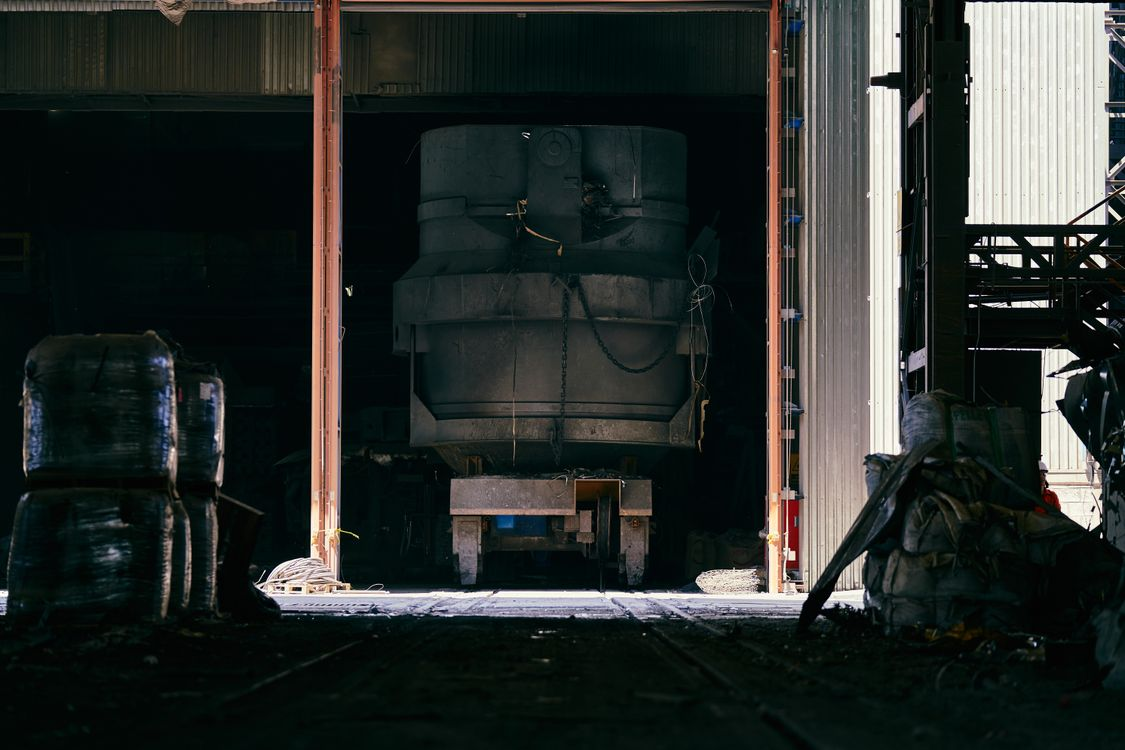
SSAB has retained its production schedules for two Swedish steelmaking projects, with the new electric arc furnace at Oxelösund expected to begin operating in the second quarter of 2027 and its larger Luleå mini-mill planned for late 2029. The manufacturer confirmed the position in its third-quarter results while reporting improved steel prices and shipments. Installation and groundwork are continuing at different stages; neither project has started the new production operation described in its investment plans.
At Oxelösund, installation of the electric arc furnace is underway as SSAB prepares to replace the site’s blast furnaces and coke plant. Its established rolling and downstream treatment capabilities will remain relevant to production of specialised steels, but the route for making liquid steel is changing. The process requires not only the furnace but electrical distribution, material handling, extraction and secondary metallurgy systems. Start-up depends on bringing these elements into service together while managing the transition away from existing plant.
The timetable was disrupted earlier in 2026 when appeals concerning species protection delayed work on the electricity connection being developed by Vattenfall Eldistribution. Those appeals were withdrawn and power-line construction resumed, prompting the revised Q2 2027 production target. Furnace installation and grid availability are independent workstreams: completion of one does not guarantee the other. The episode demonstrates how the schedule for electrically powered heavy industry depends on permitting and network delivery beyond a steelmaker’s immediate site.
An electric arc furnace uses electrical energy to melt metallic feedstock, including scrap, without requiring a conventional coke-fired blast furnace as the main liquid-ironmaking route. Producing high-strength grades still depends on controlling input chemistry, slag conditions, temperature and refining before casting and rolling. The carbon footprint will also reflect the electricity mix and other feedstocks. SSAB estimates that replacing the blast furnace route at Oxelösund could lower Sweden’s annual carbon dioxide emissions by around three per cent; this is a company projection for the completed conversion, not an already recorded reduction.
The Luleå programme is larger and has a different manufacturing layout. SSAB is investing approximately €4.5bn in a mini-mill incorporating two electric arc furnaces, secondary metallurgy, casting, strip production and cold rolling. The intended capacity of around 2.5 million tonnes a year describes the finished plant rather than production available today. Construction must be coordinated with the existing works until the replacement process is commissioned, including shared utilities, internal logistics and eventual retirement of older plant.
The Luleå technology package includes continuous scrap charging, high-power furnace operation, ladle metallurgy and vacuum treatment, followed by casting and rolling equipment. Consistent feed chemistry and heat treatment are particularly important for the advanced high-strength steel grades sold to automotive customers. Integrating these stages is intended to reduce handling between operations and offer more flexibility over grade and product mix, but the improvement depends on the entire production chain meeting dimensional, surface-quality and metallurgical specifications after commissioning.
Groundworks in Luleå have proceeded after a series of safety-related interruptions. SSAB investigated illness symptoms reported by contractors and later low readings from personal gas detectors, expanded monitoring and resumed work in affected areas following assessments. Its construction updates say the interruptions are not expected to have a material effect on the overall project timetable or expenditure. That is the company’s current assessment rather than evidence that all remaining construction and commissioning risks have disappeared.
Third-quarter revenue rose to SEK 25.632bn from SEK 22.960bn a year earlier, while operating profit increased to SEK 2.157bn from SEK 1.869bn. SSAB attributed the improvement to higher realised prices and shipments. The group also reported maintenance costs of SEK 810m, compared with SEK 390m in the corresponding quarter. Those results reflect the wider steel business and cannot be used to calculate the economic return from Oxelösund or Luleå before their planned production systems are operating.
More premium steel shipments are central to SSAB’s industrial strategy, particularly in automotive advanced high-strength steels. A lower-emissions melting route alone does not deliver the specified mechanical properties: casting, rolling and metallurgical controls must produce repeatable grades at commercial throughput. The new Luleå line is designed to support that product mix. A possible later transformation at Raahe in Finland remains outside the commissioning timetables confirmed for the two Swedish sites, and should not be treated as a third simultaneous start-up.
For Oxelösund, the immediate milestones are completion of furnace installation and the electricity connection before commissioning. At Luleå, groundworks and equipment construction must lead into a much longer integrated start-up programme. SSAB has held its Q2 2027 and late-2029 production targets in the latest trading statement; meeting them will depend on power delivery, construction execution and qualification of steel produced using the new processes.