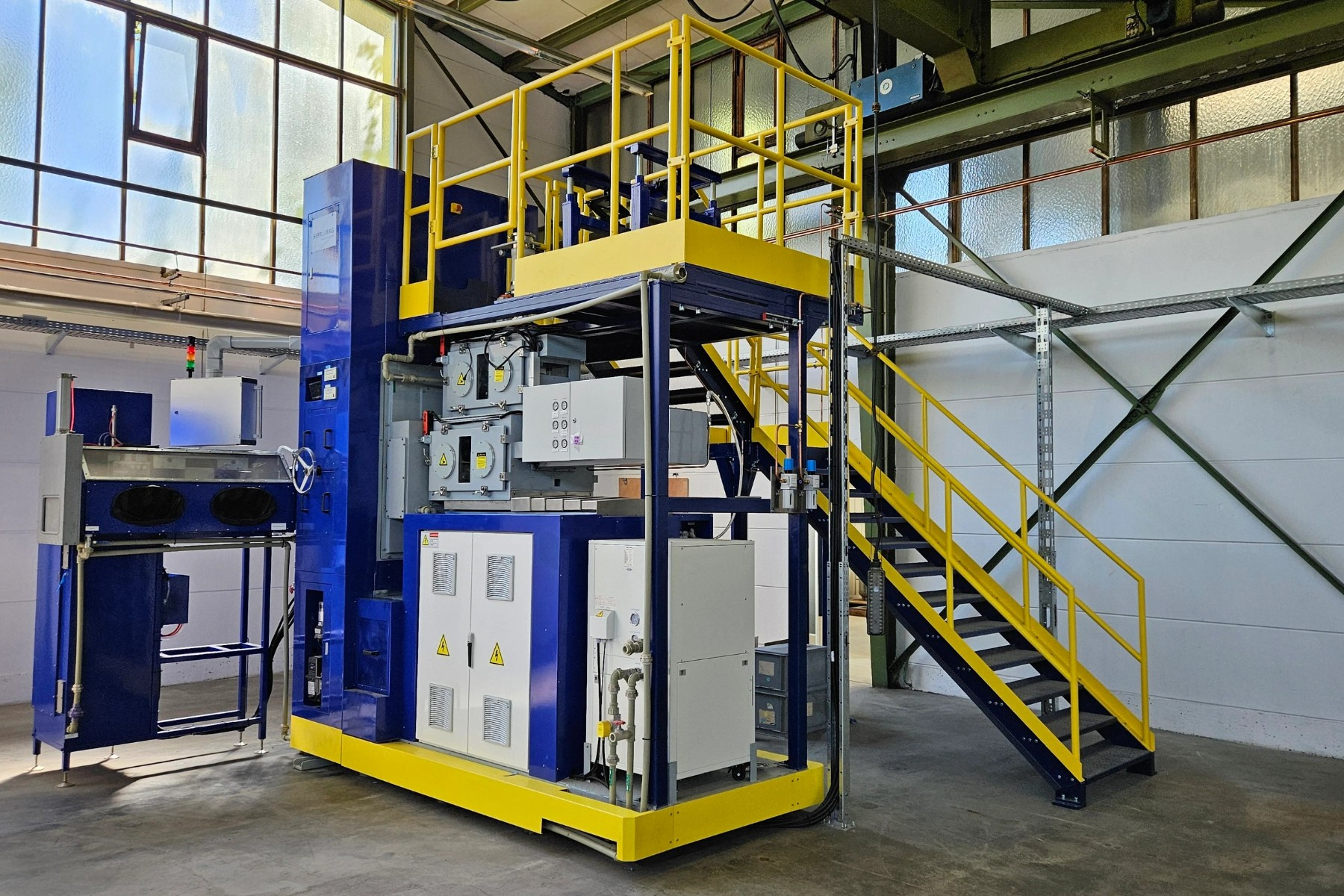
Proxima Fusion and Japan’s Fujikura have signed an agreement to assess industrial production of high-temperature superconducting tape in Germany, as fusion developers look to secure large volumes of specialist conductor material. The companies will examine the technical, commercial and economic feasibility of a manufacturing platform in Lower Saxony. The new memorandum of understanding adds a prospective technology partner to earlier regional factory planning; it is not confirmation that a Fujikura production line has been financed, built or brought into operation.
The agreement was signed in Tokyo by Proxima chief executive Francesco Sciortino and Fujikura president and chief executive Naoki Okada during German Chancellor Friedrich Merz’s visit to Japan. Proxima would bring its requirements for high-field stellarator magnets and visibility over long-term demand, while Fujikura would contribute experience in superconducting conductor production. The parties have not disclosed a Fujikura-specific capital commitment, equipment order, factory output rating or construction date. These remain feasibility questions rather than deliverables under a manufacturing contract.
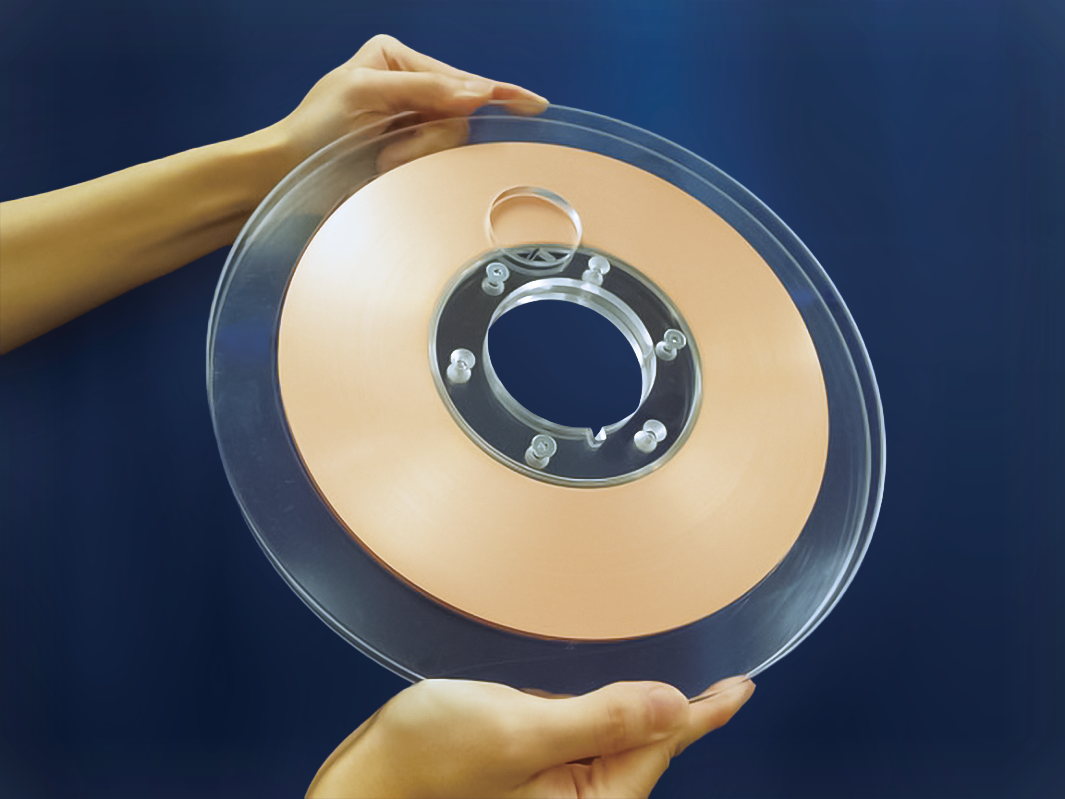
High-temperature superconducting tape can carry electrical current with negligible resistance when kept below its superconducting transition temperature. Its advantages for high-field magnets include retaining useful performance in magnetic conditions that challenge many conventional conductor systems. It still depends on cryogenic cooling, joints, insulation and mechanical support: reducing resistive losses in a conductor does not remove the heat loads and forces acting on a complete magnet. Engineers must combine the tape into cable or winding structures and qualify the assembled components under representative operating conditions.
Stellarators use precisely shaped external coils to generate the magnetic field that confines a hot fusion plasma. Unlike a tokamak, the configuration is not built around sustaining an equivalent large toroidal plasma current. Complex coil shapes create demanding alignment and mechanical requirements, including local forces and different conductor operating margins along the winding. Tape that meets laboratory current measurements still has to be manufactured in long, consistent lengths and incorporated into magnet assemblies with reliable joints, cooling and structural integrity.
Proxima estimates that its Alpha net-energy demonstrator would require around 20,000 kilometres of superconducting tape, with approximately 40,000 kilometres for each planned Stellaris plant. These are design-based demand estimates, not confirmed purchase orders or deliveries. Long conductor runs impose requirements on uniformity, defect control, testing and production yield. A manufacturing plan needs to account for rejected material as well as nominal output, particularly when the customer’s magnet geometry and performance specifications are still being developed.
The prospective factory sits alongside a separate memorandum signed by Proxima and Lower Saxony in September, which described approximately €140m of proposed investment across the first two phases and a planned state contribution of €21m. Those earlier figures relate to the regional development concept; they should not be described as Fujikura’s committed expenditure or proof that the new partnership has taken a final investment decision. Site selection, production ownership, capacity and funding structure remain to be settled for the Fujikura assessment.
Alpha is intended as a stellarator demonstrating net energy gain in the early 2030s, preceding Proxima’s planned Stellaris power-plant programme later in that decade. Both remain development projects, with engineering, testing, funding and licensing work ahead. The scale of their proposed conductor consumption explains why production planning is taking place years before either machine could operate. It does not establish that all projected tape requirements will be purchased on the same timetable or from a single supplier.
Producing superconducting tape in industrial quantities requires tighter control than simply extending laboratory runs. Manufacturers must monitor conductor dimensions and electrical performance, handle long lengths without damage and maintain traceability from production batches to coil assembly. Magnet builders also need to establish acceptable performance margins after winding and joining, when strain and local magnetic fields can affect conductor behaviour. A European supply operation could shorten some lead times and make qualification work more closely integrated, but would still depend on specialist machinery and upstream materials.
Germany’s Wendelstein 7-X research stellarator provides a scientific foundation for Proxima’s work, while the company has been assembling an industrial alliance around its proposed magnet and plant designs. Fujikura’s manufacturing expertise would address one material supply problem in that broader programme. The agreement does not itself establish that the finished magnets will satisfy plasma-confinement requirements, nor does it amount to an operating fusion power plant. Industrial availability of tape and successful reactor engineering are related but distinct milestones.
The immediate work is to determine whether projected demand can support a qualified, economically viable tape production line in Lower Saxony. Before output or employment can be forecast with confidence, the partners will have to establish specifications, equipment needs, testing methods and commercial terms. The manufacturing assessment is a new step in Proxima’s supply-chain development, while its factory investment and fusion plant timetables remain conditional on subsequent decisions and technical progress.