PFISTERER Holding SE has secured two contracts to supply and install high-voltage electrical connection equipment for major transmission infrastructure projects in Oman, expanding its involvement in the country’s electricity network.
The contracts cover the Misfah Independent Power Plant connection and the Majan Grid Station development. PFISTERER will provide connection and termination systems for equipment operating at 400 kV, 220 kV and 132 kV.
Confirmed on 4 November, the orders have a combined value in the high single-digit million-euro range. The two underlying infrastructure projects represent estimated total investment of approximately $214 million, which includes expenditure beyond PFISTERER’s equipment and installation contracts.
Deliveries and installation work are expected to begin in early 2027. The contracts therefore represent secured future work rather than equipment already installed and commissioned.
The projects form part of Oman’s continuing investment in electricity transmission infrastructure, supporting growing industrial demand and the connection of additional generating capacity.
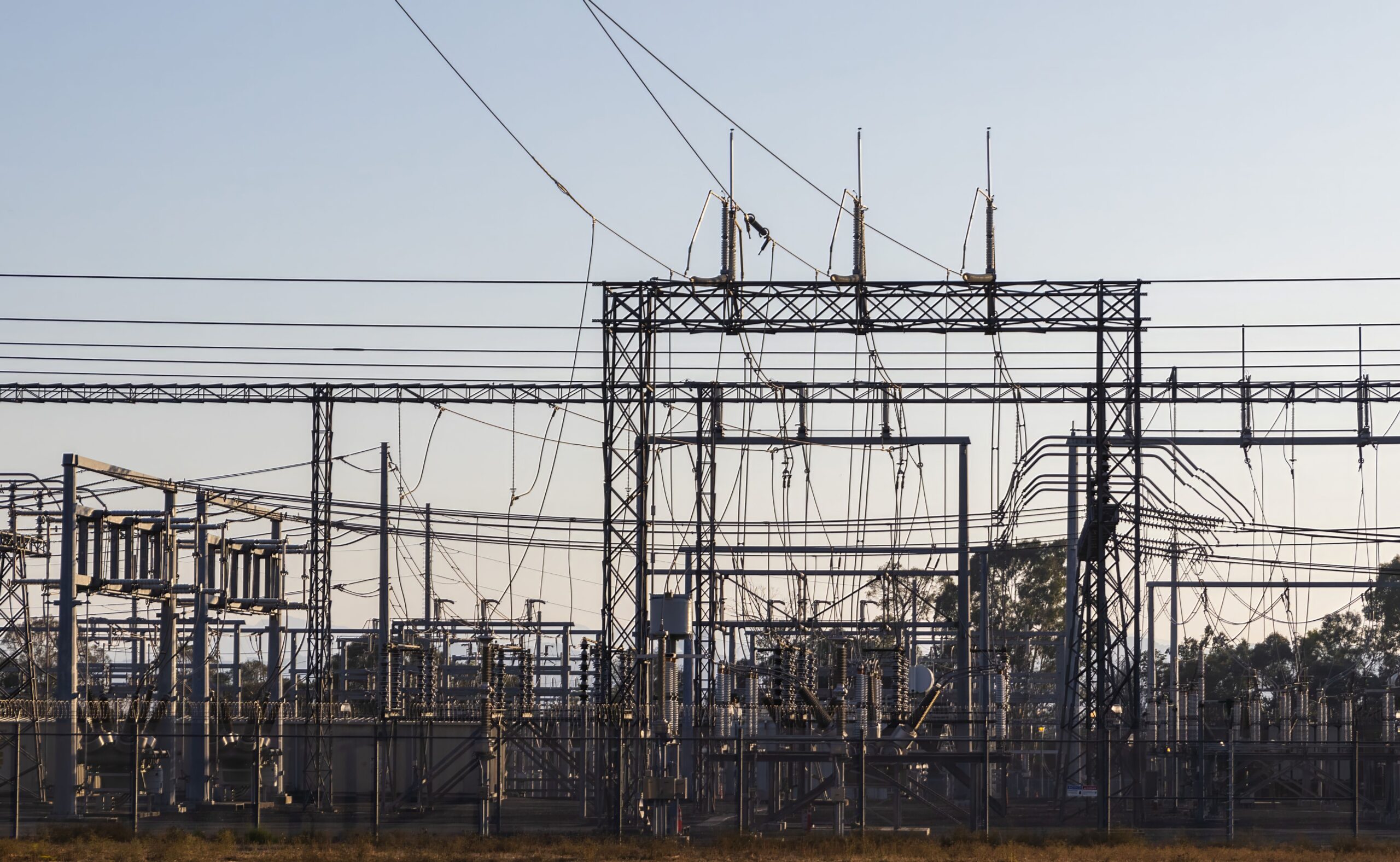
The Majan Grid Station development involves construction of a new substation with 400 kV, 220 kV and 132 kV voltage levels.
It is intended to improve electricity supply to the Sohar Free Zone and surrounding areas, where industrial and logistics activities depend on reliable access to substantial electrical capacity.
The planned substation has an installed capacity of 4,000 MVA. This is an apparent-power rating associated with the electrical equipment and infrastructure, not a measurement of annual energy generation or electricity consumption.
Substations provide the electrical interfaces needed to connect different parts of a power network. Their equipment can include transformers, switchgear, protection systems, busbars and connection arrangements designed for the intended voltage and current levels.
Transformers allow electricity to be transferred between circuits operating at different voltages, while switchgear provides the means to control and isolate electrical equipment.
Connection systems must maintain a reliable conductive path and appropriate insulation at the interfaces between these components.
As electrical voltage increases, the design of the insulation and associated connection equipment becomes particularly important. The components must withstand the electrical stresses expected during normal operation and specified abnormal conditions.
High-voltage cable systems use conductors surrounded by insulation and protective materials. Where cables connect to equipment or to other cable sections, specially designed accessories are required to maintain the intended electrical and mechanical characteristics.
Terminations are used at cable ends to connect the cable conductor to another part of the electrical installation. Joints connect cable sections while maintaining continuity of the conductor and insulation system.
The geometry of these components influences the distribution of electric fields around the connection. An unsuitable design or defect can produce localised electrical stress that may damage insulation over time.
Connection accessories therefore incorporate arrangements to control electric fields, maintain suitable insulation distances and protect the electrical interface from operating conditions.
Material selection and manufacturing accuracy are important because the components must fit the cable and equipment for which they are designed.
PFISTERER manufactures equipment for connecting and insulating electrical conductors across high-, medium- and low-voltage applications. Its products are used at interfaces throughout electricity generation, transmission and distribution infrastructure.
The company will supply equipment for both underground cable systems and outdoor installations under the Oman contracts.
Underground cable accessories must be suitable for the cable construction, voltage and installation environment. Their operating conditions can include restrictions on physical access and the thermal characteristics of the surrounding installation.
Outdoor terminations face additional environmental influences, including temperature variation, moisture and surface contamination.
These factors affect the insulation and mechanical requirements of equipment installed on transmission networks. Correct selection and installation are needed to maintain the intended operating performance.
The Misfah project involves connecting a new power station to Oman’s national electricity grid through a 400 kV underground cable link.
The connection will allow electrical output from the generating facility to enter the transmission network, subject to the operating configuration and requirements established for the completed installation.
The generating facility is intended to provide flexible capacity that can support electricity supply as demand and the output of other generating resources change.
Flexible generation can help network operators manage changing power requirements, including variations associated with renewable electricity production.
PFISTERER’s contract concerns the connection infrastructure and associated installation work. It does not cover construction of the complete generating facility or establish the power station’s generation capacity.
At Majan, the company’s equipment will form part of a multi-voltage substation supporting the transmission of electricity towards industrial and other consumption centres.
The two projects therefore involve different installation arrangements, although both require high-voltage connection systems manufactured and installed to the relevant technical requirements.
Dr Konstantin Kurfiss, member of the executive board of PFISTERER Holding SE, said: “They mark an important milestone for PFISTERER in Oman’s 400 kV market.”
Kurfiss said the contracts would also support further development of the company’s activities across the Gulf region.
PFISTERER has not disclosed the specific proprietary product models selected for the projects. The technical scope confirmed in its announcement covers connection and termination systems across the stated voltage levels.
The company’s installation responsibilities will require coordination with the contractors developing the substations, cable links and associated equipment.
High-voltage components must be installed in accordance with their technical specifications. Cable preparation, component positioning and the condition of electrical interfaces can influence the performance of the completed connection.
Testing and inspection are also important before equipment is placed into service. The relevant procedures depend on the type of accessory, installation and project specification.
Verification may include checks of equipment condition, assembly and electrical performance, supported by documentation establishing that the installed system meets the required standards.
Correctly installed connections are essential to network reliability because a fault at an electrical interface can affect equipment availability even when the main cable or transformer remains otherwise serviceable.
The development of the Sohar Free Zone and other industrial areas requires infrastructure capable of supplying existing operations and accommodating additional demand.
Manufacturing facilities, ports and logistics installations can place substantial requirements on electricity networks, particularly where equipment operates continuously or uses electrically intensive industrial processes.
Increasing supply capacity may require reinforcement of transmission networks and the construction of substations capable of transferring power to the required locations.
The Majan project is intended to provide part of that infrastructure, with its planned 4,000 MVA rating reflecting the scale of the electrical installation.
PFISTERER is headquartered in Winterbach, near Stuttgart, and operates 19 locations in 15 countries. The company supplies customers in more than 90 countries, providing connection and insulation equipment for electricity infrastructure.
Its manufacturing activities serve applications extending from generating facilities through transmission and distribution networks.
The Oman orders add to that international project portfolio. They do not include a separately announced increase in PFISTERER’s manufacturing capacity or a new factory investment.
The commercial value attributable to PFISTERER remains in the high single-digit million-euro range, while the approximately $214 million infrastructure figure covers the wider Misfah and Majan developments.
The next milestone will be the beginning of equipment delivery and installation in early 2027. Subsequent progress will depend on coordination with the wider infrastructure programmes and the successful installation and commissioning of the specified high-voltage connection systems.