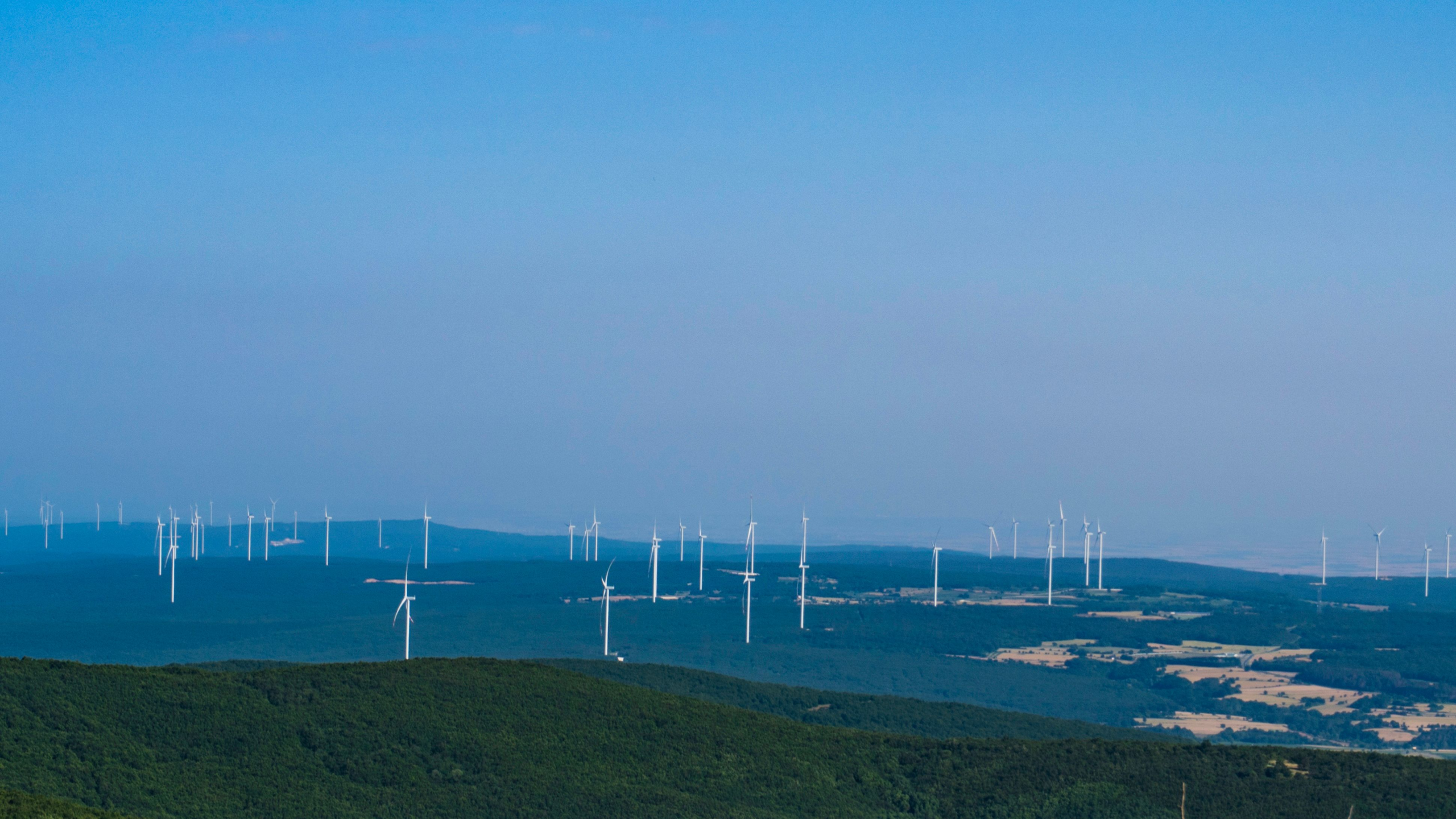
GE Vernova has signed an agreement to supply three 5.5MW onshore wind turbines to Stadtwerke Heidenheim AG for the Schlotberg-Jüchsen project in Germany. The 16.5MW equipment order includes a 20-year service agreement, extending the companies’ relationship into the operating life of the new wind farm.
The turbines will be manufactured at GE Vernova’s Salzbergen factory. Deliveries are scheduled to begin in August 2027, with commissioning planned for December 2027. The order was booked in the fourth quarter of 2026, although its financial value and the detailed service payments have not been disclosed.
The new development will be the sixth project undertaken by the two companies using GE Vernova turbines. Once commissioned, it will bring Stadtwerke Heidenheim’s installed GE Vernova wind capacity in Germany to approximately 74MW. That figure describes the utility’s wider fleet rather than the capacity of Schlotberg-Jüchsen alone.
The choice of supplier was shaped partly by the project’s history. Stadtwerke Heidenheim has experienced delays and faces statutory deadlines for completing the scheme. Raphael Kaim, its head of renewable energy, identified equipment availability and timely construction as important considerations when the utility selected GE Vernova.
All three machines will use GE Vernova’s 5.5MW-158m design. The model designation combines a nominal electrical rating of 5.5MW with a rotor diameter of 158 metres. At that diameter, the rotating blades sweep an area of approximately 19,600 square metres, although the quantity of electricity produced depends on the wind conditions encountered in operation.
The rotor converts part of the kinetic energy in moving air into mechanical rotation. That motion drives the generator through the turbine’s drivetrain, with control systems regulating operating conditions as wind speed and electrical demand vary. The machine’s rated capacity is available only within the relevant operating envelope, not continuously throughout the year.
The project has a nominal installed capacity of 16.5MW, but GE Vernova has not provided a site-specific annual generation estimate or capacity factor. Actual output will depend on wind speeds, turbine availability, site restrictions, electrical losses and the completion of the associated grid connection.
Rotor diameter influences the area over which energy can be captured, while generator rating, hub height and turbine control determine how the machine uses the wind resource. The appropriate combination is selected through engineering assessment of the site rather than nominal capacity alone.
Each turbine also has to withstand mechanical loads that change during operation. Forces transmitted through the blades, hub and tower vary with wind conditions, so the turbine control system must balance energy production against the structural and operational limits of the equipment.
Salzbergen is one of GE Vernova’s 13 locations in Germany. The factory’s role in the order provides an identified European manufacturing location for the main turbine machines, although the company has not stated where every subassembly and component will originate.
Turbine production includes the preparation and assembly of electrical and mechanical systems that must operate together after installation. The nacelle houses major drivetrain, generating and control equipment, while the rotor, tower and foundation must be matched to the project’s engineering requirements.
Manufacturing completion is only one part of the delivery sequence. Large turbine components must be transported to the site and installed using equipment and access arrangements capable of handling their dimensions and mass. Foundation readiness, electrical work, crane availability and suitable weather windows can all influence the installation timetable.
The delivery programme therefore leaves several commissioning tasks after the first equipment is due to arrive in August 2027. These include completing the physical installation, verifying electrical and mechanical systems, checking control functions and establishing that the machines operate as intended within the wind farm.
GE Vernova describes its onshore manufacturing strategy as a focus on standardised turbine platforms. It says the equipment family represented by its current workhorse machines has accumulated more than 38 million operating hours across over 2,100 units worldwide.
Those fleet figures provide experience from machines already in service, rather than an independently measured forecast of availability for Schlotberg-Jüchsen. Site performance will still depend on the configuration installed, operating conditions, maintenance arrangements and the effectiveness of the project commissioning programme.
Standardised equipment can also simplify some manufacturing and service activities. Common mechanical assemblies, component specifications and maintenance procedures may support repeatable production and spare parts management, while site-specific requirements still have to be addressed through installation design and operating plans.
The 20-year service contract creates continuing work beyond equipment delivery. Turbine maintenance includes planned inspection, condition monitoring, replacement of worn components and corrective work when faults affect operation. GE Vernova has not disclosed the availability guarantees or financial conditions applying to the new agreement.
The utility’s project timetable adds urgency to those manufacturing and installation activities. Missed delivery windows could affect the subsequent sequence of construction and testing, particularly where the project must meet statutory deadlines following earlier delays.
Production at Salzbergen and deliveries beginning in August 2027 are the next stated milestones. The project is targeting commissioning in December 2027, at which point the new turbines would extend Stadtwerke Heidenheim’s GE Vernova fleet to approximately 74MW of installed capacity.