
Features
-
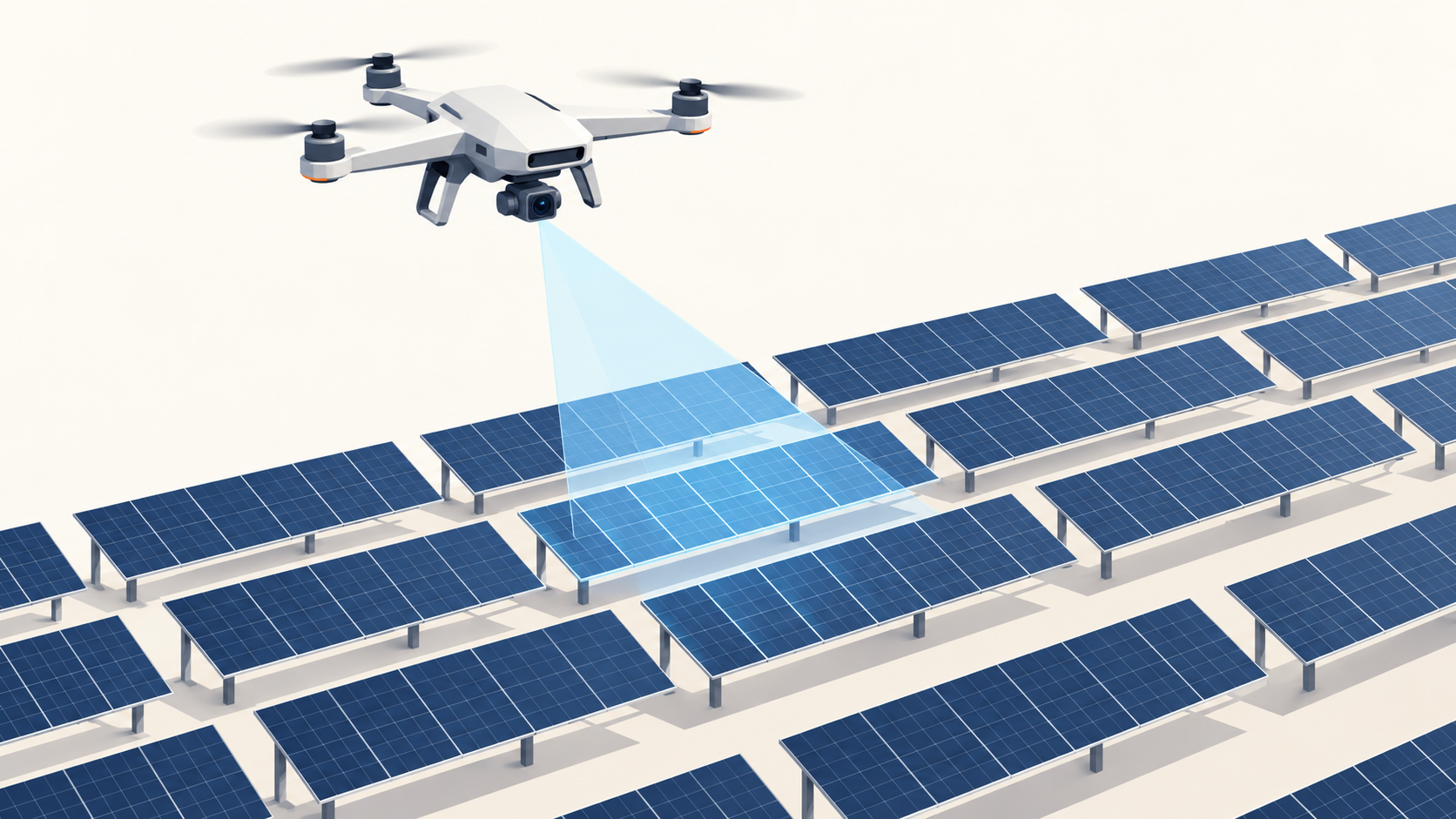
Drone surveys help solar operators identify faults across sprawling assets. This guide compares seven approaches to thermal inspection, autonomous drone operations, analysis and maintenance workflows, examining how each solution turns imagery into actionable findings.
-

Industrial decarbonisation depends on emissions beyond companies’ direct operational control. Daniel Usifoh, co-founder of Axiom Sustainability Software, explains why Scope 3 data, supplier engagement, and digital reporting are central to reducing value-chain emissions.
-
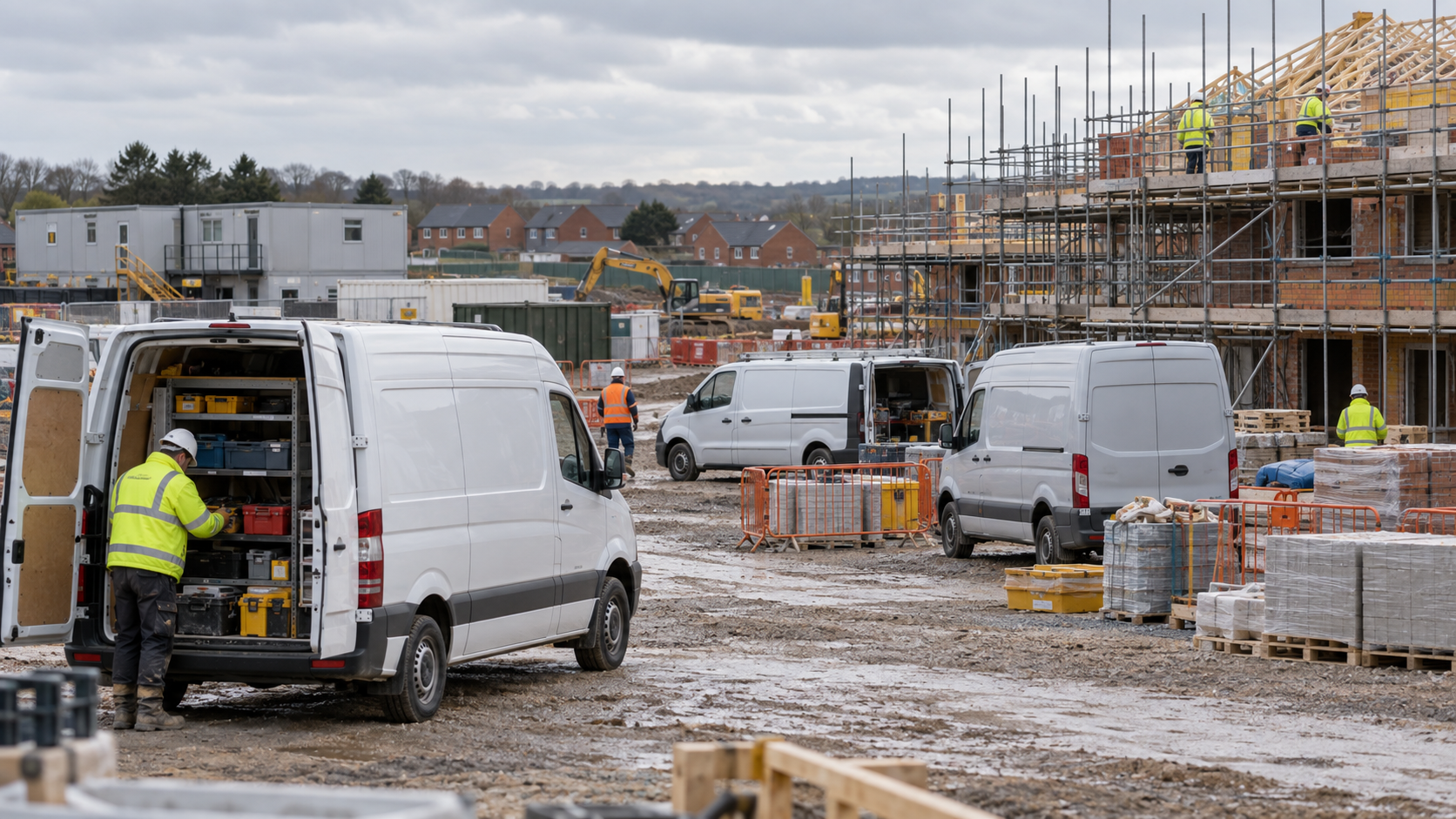
Tachograph compliance becomes harder when construction fleets rarely return together. For builders running vehicles across the Midlands, remote downloads can reduce depot dependency while supporting routine record collection, oversight, and retention.
-
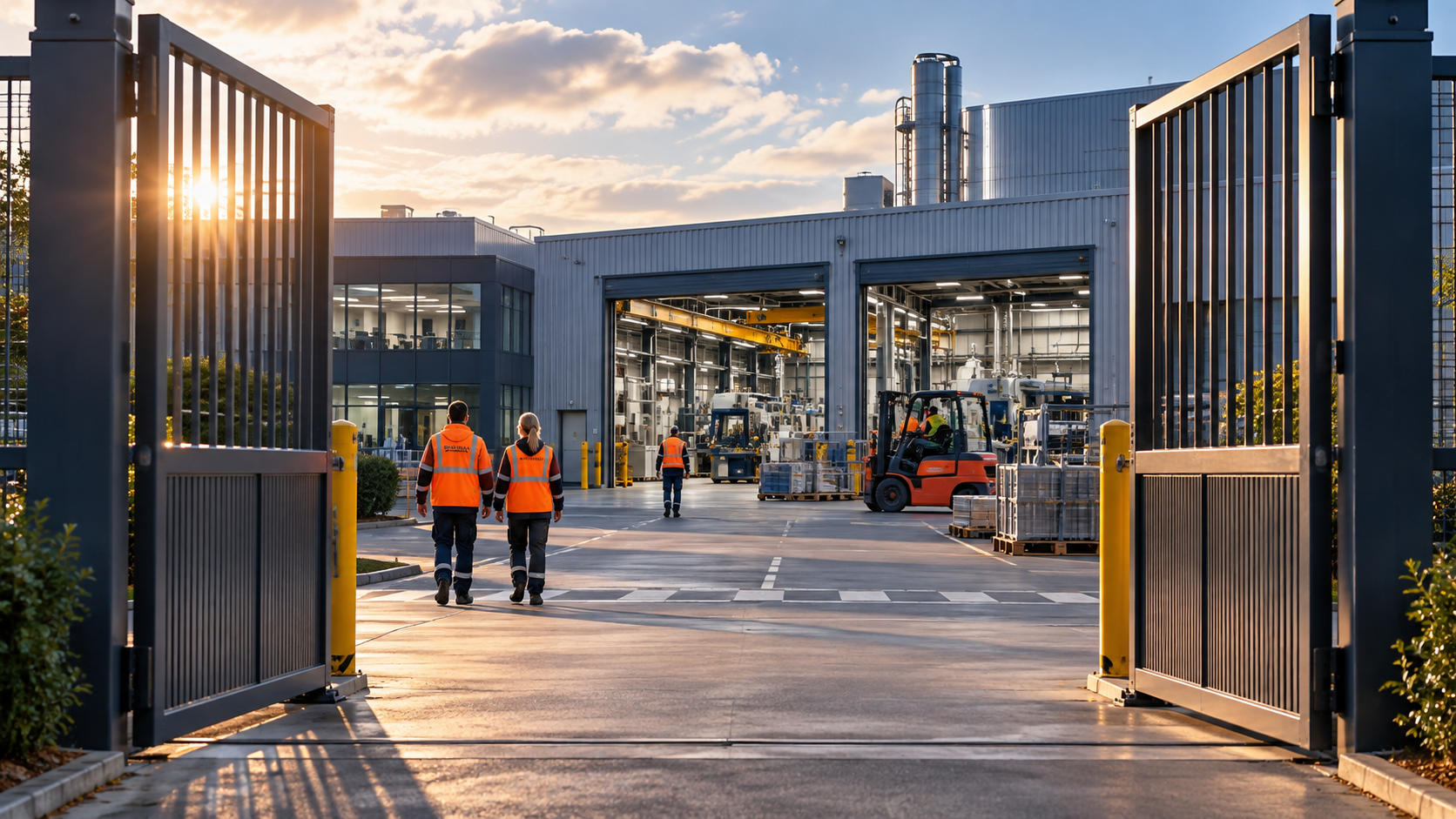
UK manufacturing enters National Manufacturing Day with cautious momentum returning. Output is rising, but costs, skills shortages and the practical challenge of deploying AI continue to define the sector in 2026.
-

LITILIT says compact femtosecond lasers could transform robotic precision manufacturing. Its Vilnius factory is due to start production in October, with capacity planned to scale to 3,000 lasers annually.
-

Advanced manufacturing schedules must respond quickly as production constraints change. This guide compares six scheduling platforms for complex factories, from AI-led adaptive planning to finite-capacity APS.
-

Food manufacturers are being squeezed between demand and equipment limits. The July/August edition of IN Food shows how product shifts, capacity pressure, quality control, and packaging regulation are forcing more disciplined engineering decisions across the sector.
-

Ventilation now plays a central role in new-build housing specifications. As airtight construction limits natural airflow, planned systems can support healthier indoor environments, moisture control, and energy efficiency.
-

IN Food’s latest issue examines resilience across food manufacturing operations. The May/June edition tracks packaging, traceability, assurance, heat, and labour pressures.
-
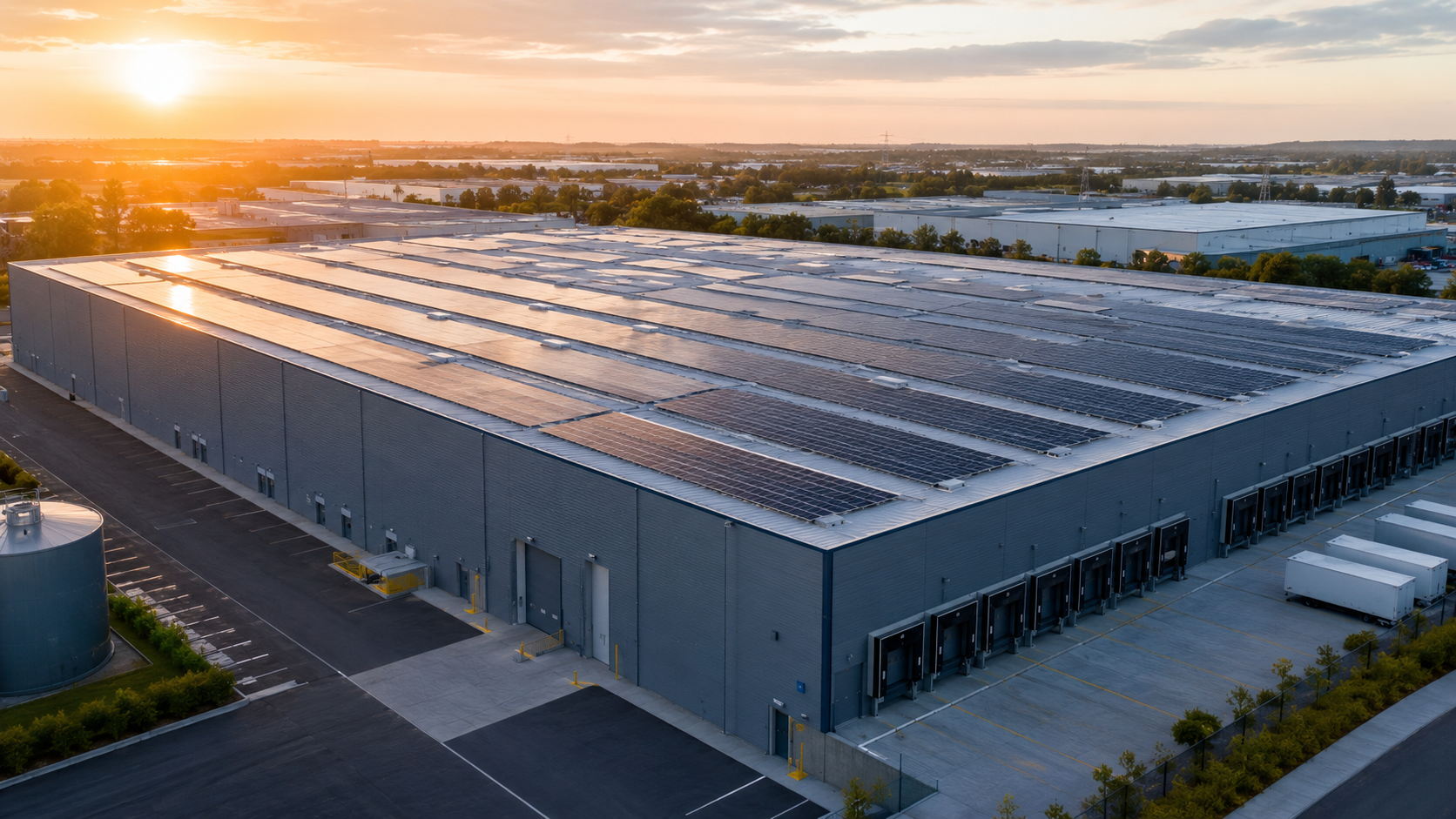
Solar power can cut warehouse energy costs and grid reliance. This partner feature outlines the main cost, roof suitability, maintenance, and permission checks before installation.

© 2b Publishing 2026.