
Features
-

New global guidance reins in AI across operational technology deployments. e2e-assure warns that attackers are already exploiting AI while OT security controls lag behind official advice.
-

Industry leaders say Budget piles costs onto already stretched SMEs. Construction, manufacturing, food, and logistics see selective gains on apprenticeships and EV fleets, but warn that tax freezes, salary-sacrifice changes, and patchy incentives on automation and net zero will do little to unlock long-term investment.
-

UK manufacturers approach the Autumn Budget with thin patience left. With order books weak, energy costs high, and investment delayed, industrial leaders are demanding cheaper power, stable tax rules, and real skills funding rather than another round of stealth measures on productive capital and payroll.
-
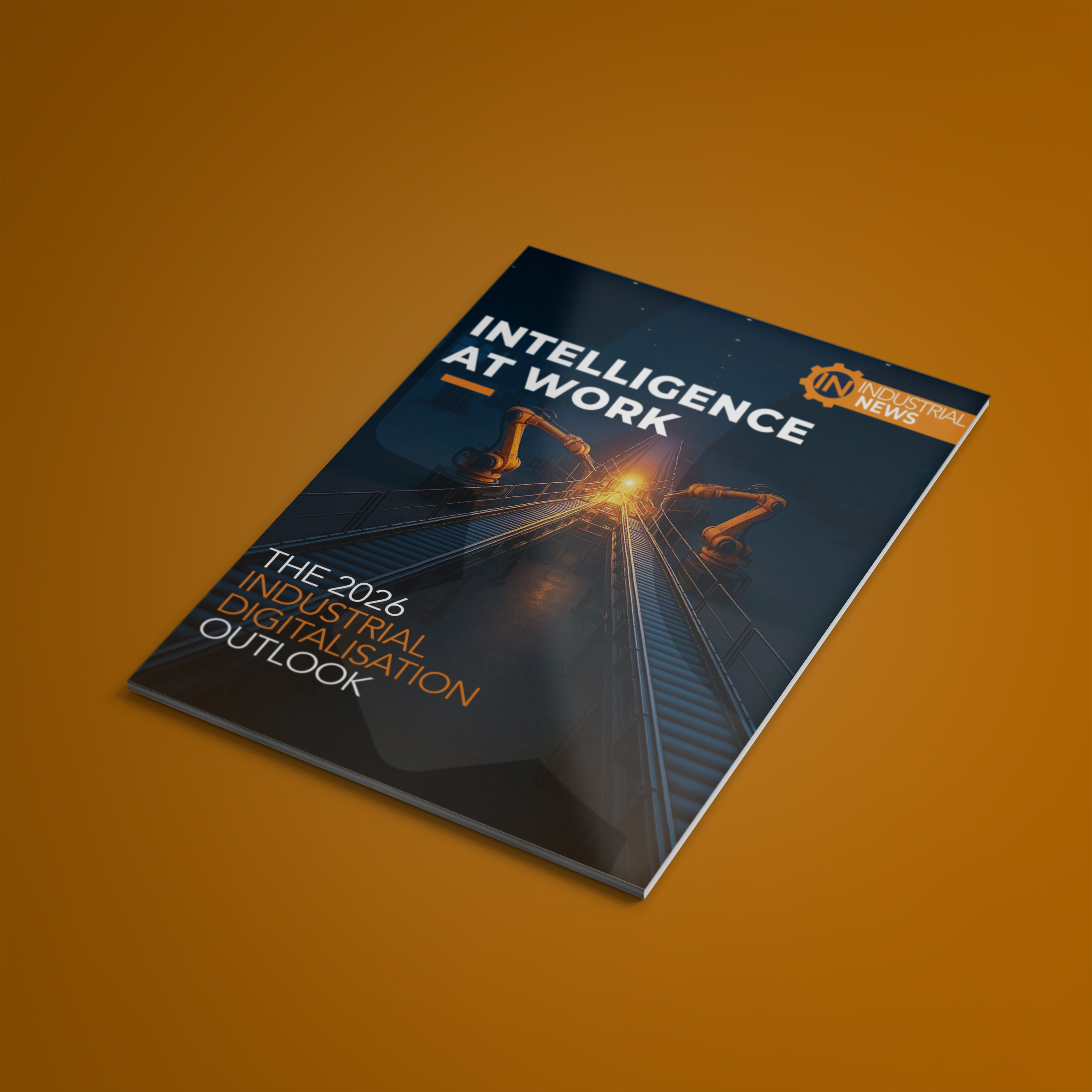
Industrial digitalisation enters 2026 with harder expectations for discipline. As automation, AI, and connected infrastructure embed themselves across factories, warehouses, and utilities, the question is no longer how fast businesses can scale technology, but whether those systems can operate coherently, safely, and with measurable advantage.
-

Copper prices are testing record highs as the world races to electrify. The metal that underpins renewable power, grids, and electric vehicles is also the one in shortest supply — exposing a fundamental contradiction at the heart of the energy transition.
-

Building design is being reshaped by stricter energy rules and shifting client priorities. Professionals are now expected to deliver spaces that are efficient, low-carbon, and future-ready. From renewable heating to smart controls, the focus is moving beyond compliance to performance — where informed, up-to-date trades deliver lasting value.
-

Industrial safety progress is stalling unevenly across UK sectors. Fatality data now reveals a widening gap between industries that have embedded data-driven, preventative safety cultures and those still reliant on reactive compliance. The difference, experts say, is no longer about technology — it’s about leadership, trust and accountability.
-

UK manufacturing faces a structural skills crisis undermining competitiveness. A 42% collapse in apprenticeships and delayed government reforms risk leaving companies unable to meet net zero deadlines or adopt critical industrial technologies.
-
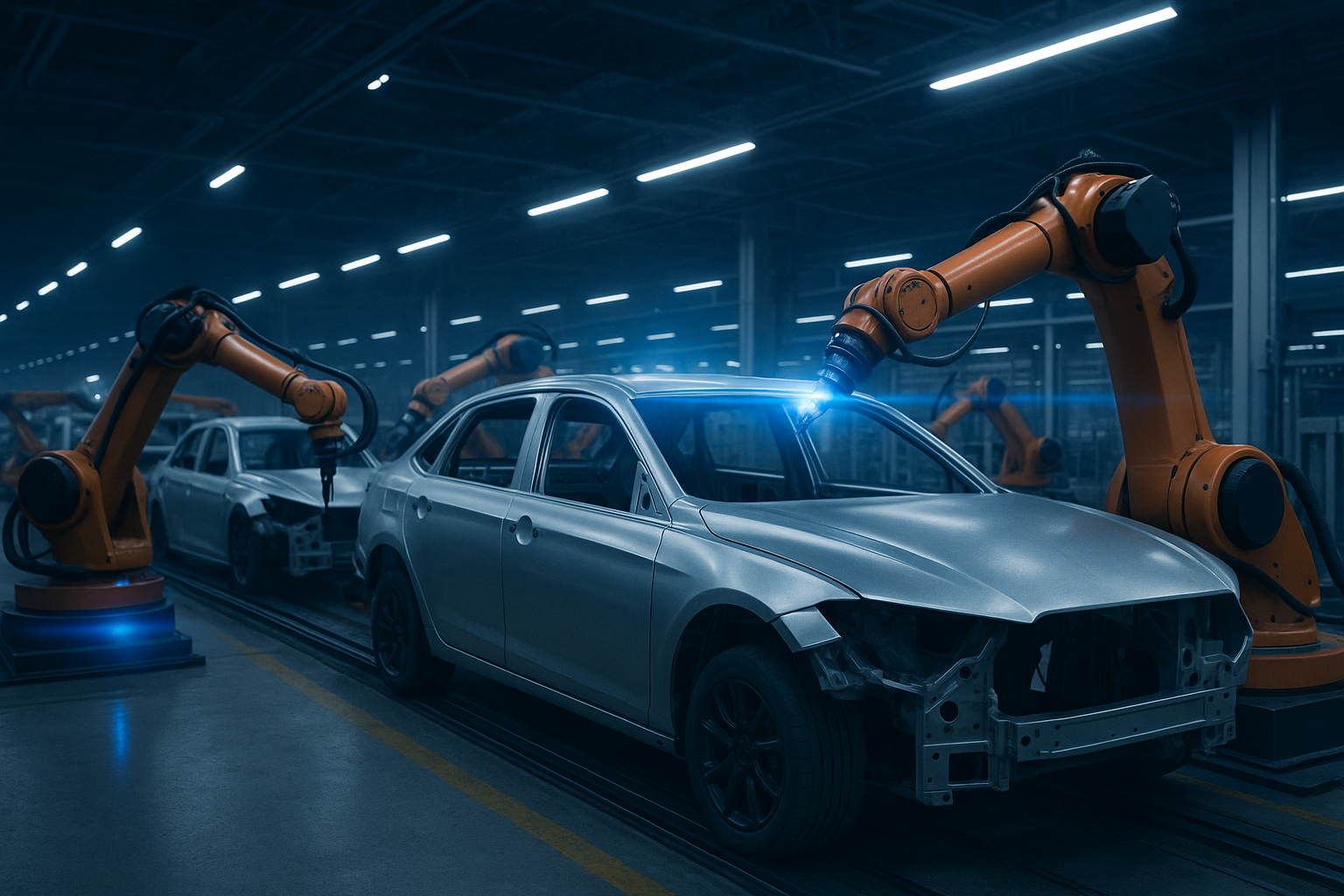
Jaguar Land Rover’s prolonged shutdown after a cyber incident highlights the fragility of modern manufacturing. With IT and OT systems converging, legacy control networks are now prime targets. Experts warn that production resilience depends on treating OT security as a board-level priority.
-

Huawei has published its first detailed roadmap for AI chipmaking. The plan covers successive Ascend processors and Atlas supernodes through 2028, signalling China’s drive to cut dependence on U.S. technology and challenge Nvidia’s dominance in global AI computing.

© 2b Publishing 2026.