
Engineering
-

REM Ocean has reached Norway for final outfitting and integration. The methanol-capable subsea construction vessel is expected to enter an eight-year DeepOcean charter after planned delivery in 2027.
-

Thorizon and TNO have launched research into molten salt corrosion. The programme will test materials and model degradation to support the proposed PIONEER reactor demonstrator and future Thorizon One licensing.
-

Studsvik has signed a framework covering Norway’s legacy nuclear fuel. The agreement runs until 2055 and provides for possible transport, treatment, and interim storage in Sweden, subject to work orders and regulatory permits.
-
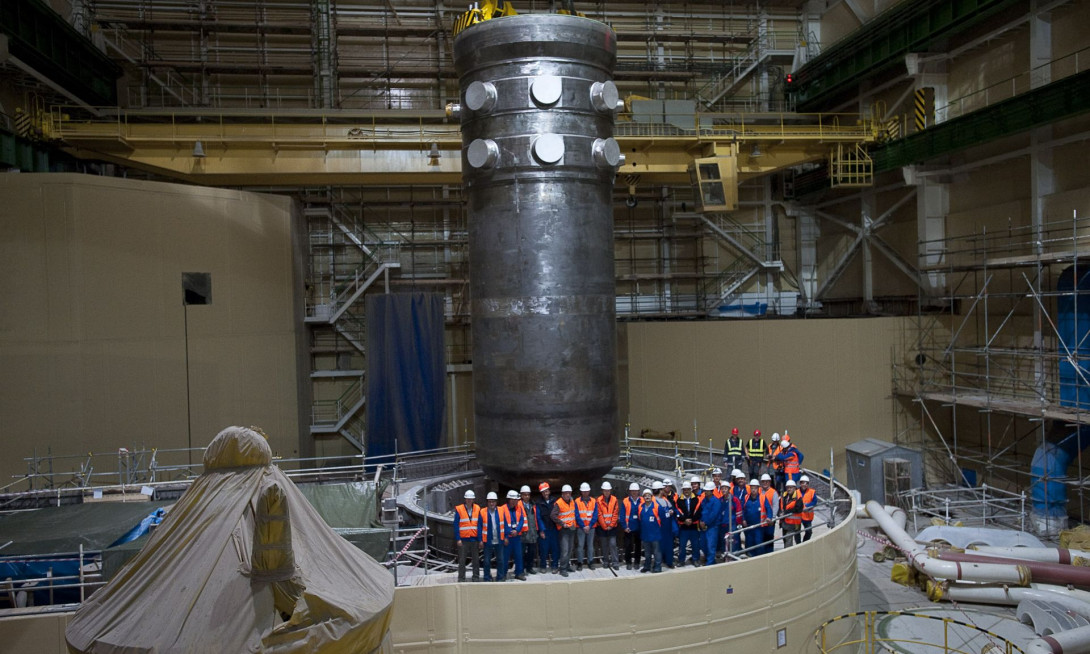
Mochovce four has delivered its first electricity to Slovakia’s grid. Its first turbogenerator synchronised on 15 October at 20:41 local time, with reactor power at 20%; further testing remains before commercial operation.
-

The Austrian rail manufacturer has opened its new Linz factory. Plasser & Theurer’s €60m-plus facility combines final assembly and commissioning, with a phased production ramp-up and 80 additional jobs planned.
-
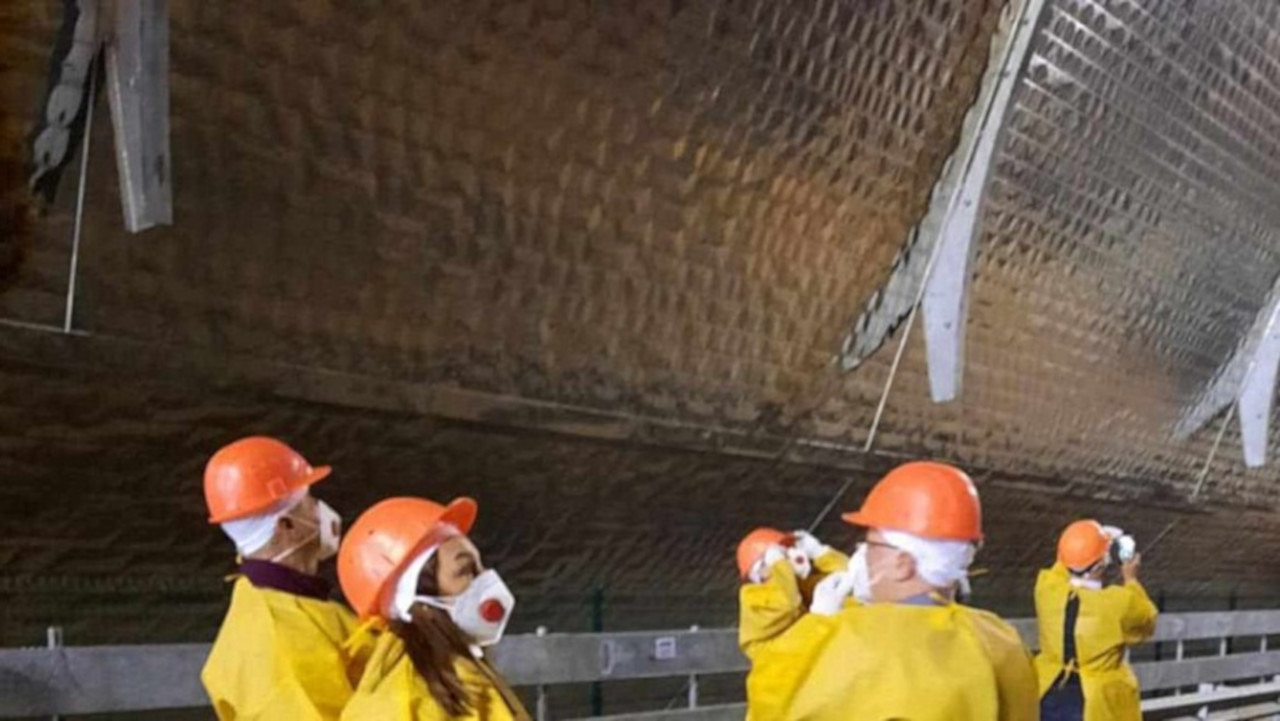
Britain has pledged £17m towards repairs to Chornobyl’s protective shelter. The contribution forms part of a €260m G7 commitment, while the EBRD estimates at least €500m will be needed to restore the enclosure.
-
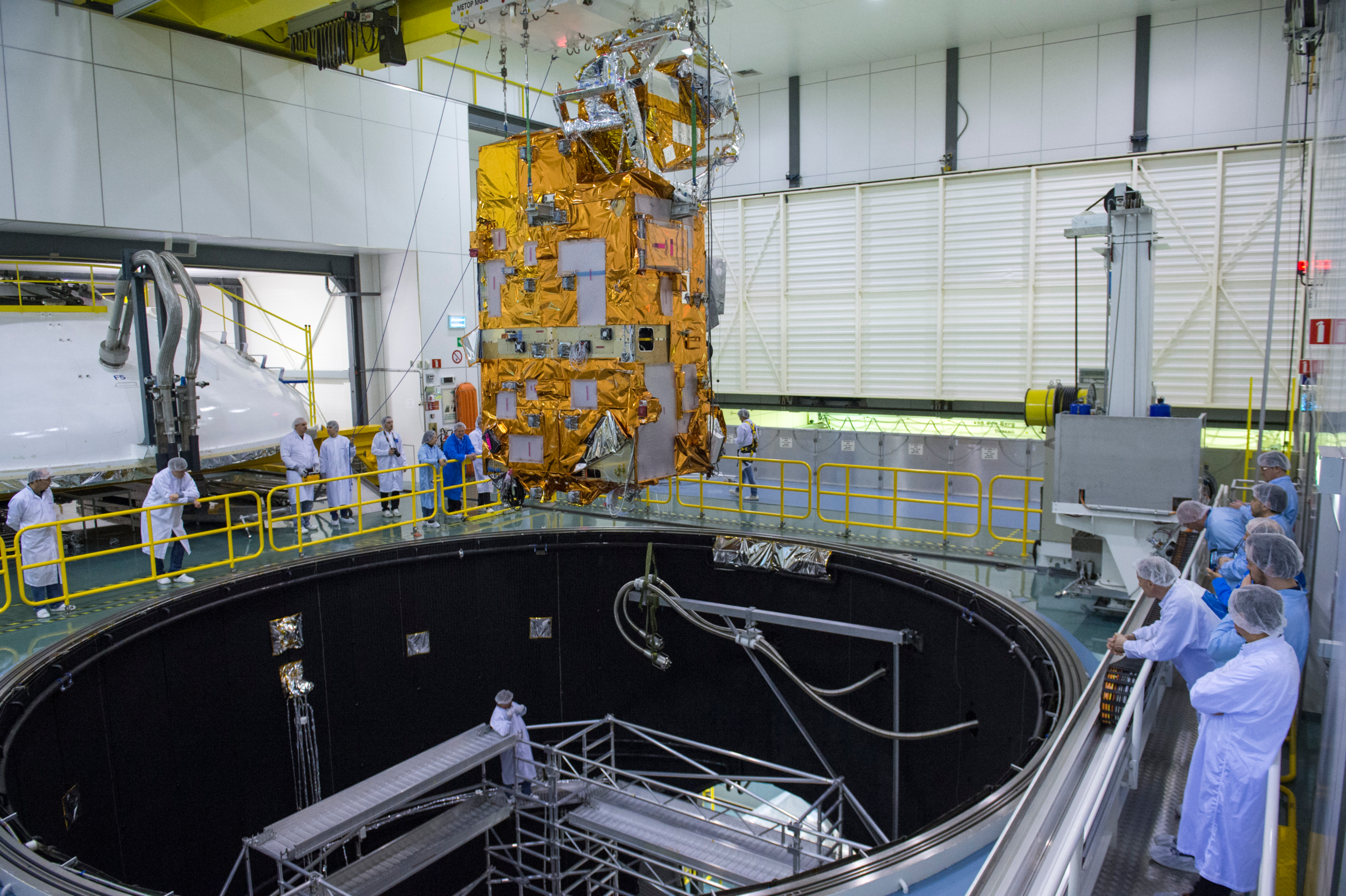
Airbus warns Britain’s Skynet decision could affect satellite manufacturing jobs. Its chief executive links the pending £2.4bn contract award to possible consequences for established UK space operations, while rival investment proposals remain conditional.
-
Scotland has confirmed match funding for two new defence colleges. Its £10m commitment matches a separate UK Government allocation; proposed sites in eastern and western Scotland still need development, appraisal and approval.
-

ClearSpace UK leads Britain’s first national satellite debris removal mission. More than £60m of government support backs plans to launch in 2029 and capture and remove two defunct satellites by 2032; neither milestone has been achieved.
-

Ministers are consulting on improved energy efficiency requirements for fans. Proposed rules could reduce industrial electricity demand, with forecast savings and benefits dependent on adoption.

© 2b Publishing 2026.