The UK Government has pledged £17 million towards repairs to the New Safe Confinement at Ukraine’s Chornobyl nuclear power station, where a Russian drone strike damaged the structure protecting the remains of Reactor Four in February 2025. The funding will contribute to an international programme intended to restore the enclosure’s confinement and ventilation functions and protect its long-term structural integrity.
Announced on 15 October, the British contribution forms part of a wider commitment by the Group of Seven industrialised countries. The European Bank for Reconstruction and Development is coordinating the international response with the Ukrainian authorities and donors, while engineering work proceeds to establish the scope and sequence of permanent repairs.
The G7 has committed €260 million towards restoring the protective structure, but the EBRD estimates that the total work will cost at least €500 million. The difference illustrates the funding still required before the full programme can be financed. The British pledge is a contribution towards that wider requirement, not the value of a completed construction contract.
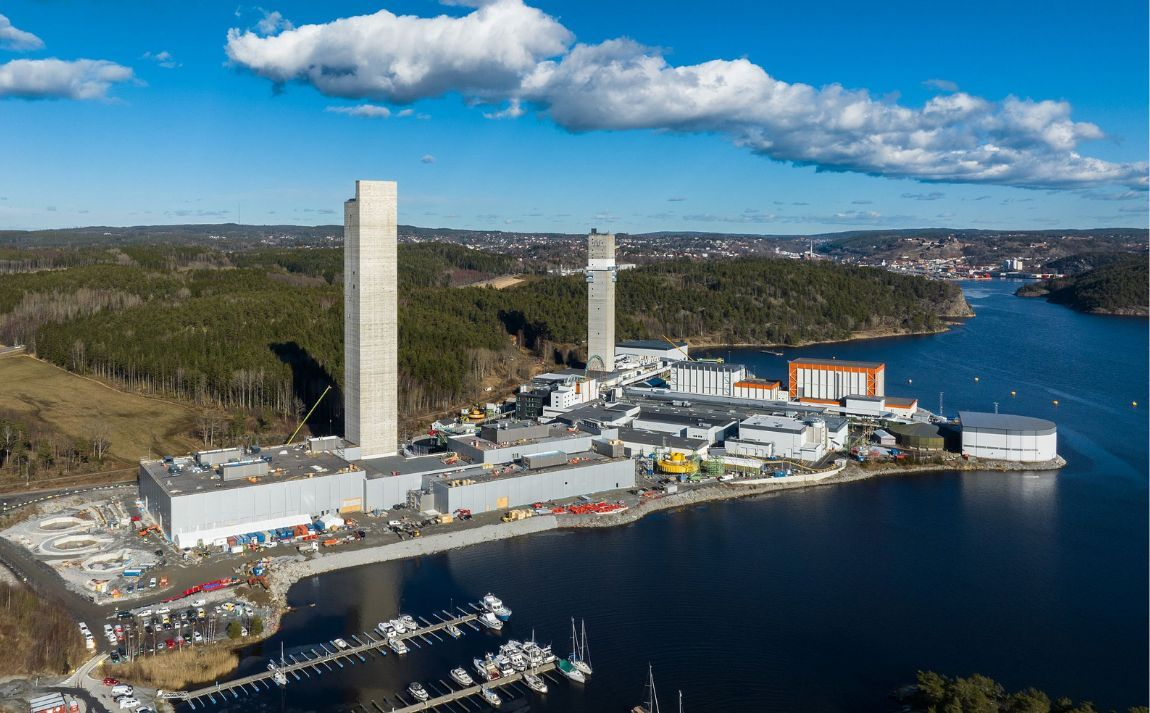
The New Safe Confinement is the enormous steel arch installed over the original shelter erected after the 1986 accident at Chornobyl Reactor Four. The arch measures approximately 110 metres high, 257 metres wide, and 162 metres long, with an enclosed working area designed to contain radioactive material and allow dangerous structures beneath it to be dismantled over time.
Construction of the arch required it to be assembled away from the most hazardous parts of the damaged reactor before being moved into position in 2016. The structure was fully commissioned and transferred to Ukraine in 2019. Its intended 100-year service life depends on maintaining the protective envelope and the systems used to control environmental conditions inside it.
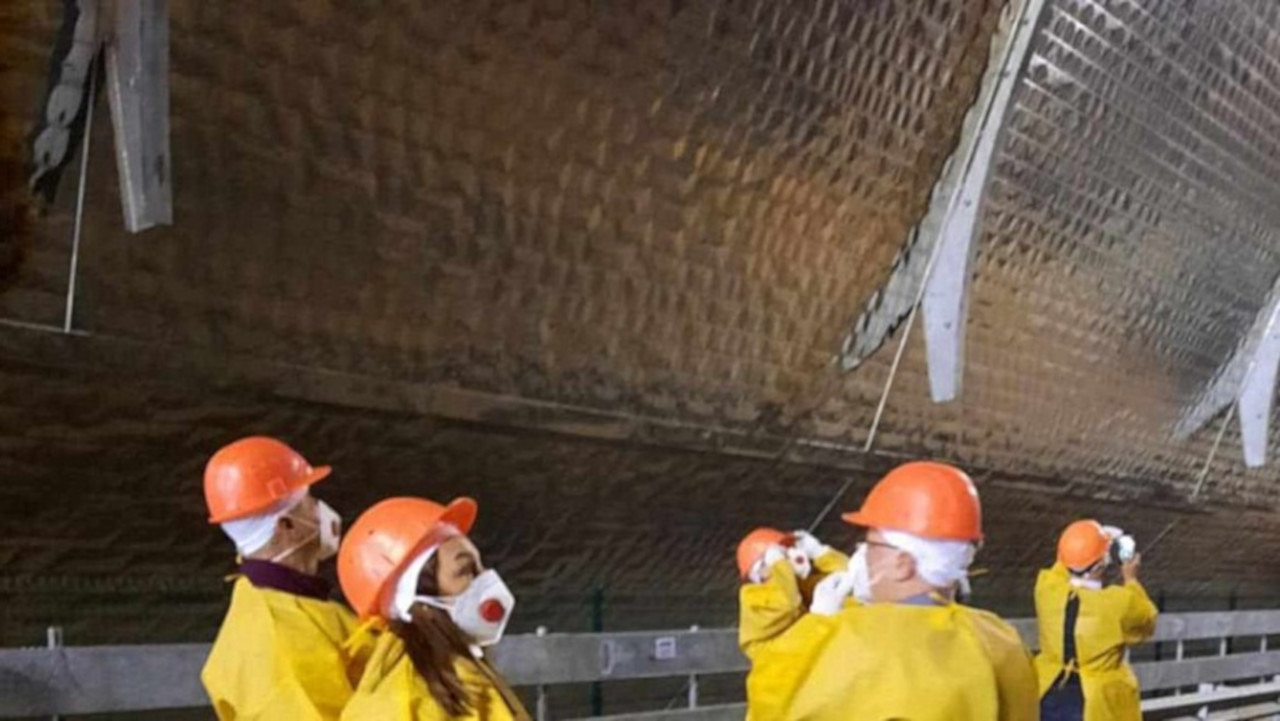
A drone strike on 14 February 2025 damaged both the inner and outer cladding, creating an approximately 15-square-metre breach and damaging about 200 square metres of panels, according to the EBRD. The attack also affected critical equipment, including ventilation and internal crane systems associated with maintenance and the eventual dismantling of the earlier shelter.
The breach undermined the enclosure’s airtightness. Preventing uncontrolled movement of contaminated material is one of its central functions, while the protective envelope also helps maintain internal conditions needed to limit deterioration of the steel structure. The damage consequently affects both environmental protection and the long-term engineering activities for which the enclosure was built.
Corrosion has become an important concern because the integrity of the arch depends on controlling the conditions surrounding its steel components. Moisture and changing environmental conditions can increase the rate of deterioration in vulnerable areas. A failure to restore the protective systems could therefore reduce the margin available for maintaining the structure over its intended service life.
The engineering response cannot be limited to covering the visible opening. Restoring the original functions requires an assessment of damaged cladding, seals, supporting elements, ventilation, environmental control, and the interfaces between those systems. Repair methods must also avoid creating further damage or exposing workers to unacceptable hazards inside the contaminated structure.
Inspection and access present unusual construction challenges. Equipment is located around the remains of a destroyed nuclear reactor and the unstable earlier containment structure, where radiological controls affect how personnel, tools, and replacement materials can be moved. Engineers must consider exposure, contamination, lifting arrangements, and the condition of the surrounding installation before carrying out permanent work.
The original protective arch was designed to accommodate dismantling operations through internal crane and handling systems. Those arrangements are needed because removing large or unstable components from the old shelter requires controlled lifting and movement within an enclosed environment. Damage to the crane system therefore complicates activities beyond repairing the outer skin of the structure.
Ventilation equipment also supports safe work inside the enclosure by helping to manage airflow and the movement of airborne material. Restoring its intended operation requires coordination with the repaired building envelope; replacing damaged mechanical equipment alone would not necessarily recover the confinement performance if uncontrolled leakage remained.
The EBRD is using a staged engineering programme to determine how permanent restoration should proceed. Initial work involves consolidating the available technical evidence, carrying out investigations, and developing repair concepts before committing to the full construction scope. The programme must establish what can be repaired in place, what requires replacement, and which activities need temporary protection measures.
In September 2026, Chornobyl Nuclear Power Plant and the NOVARKA 2 consortium signed an agreement launching the initial engineering stage. The consortium involves companies associated with the original protective structure, providing access to experience of its design and construction. Its involvement does not remove the need to assess the present condition of the damaged installation.
Preparatory activities have received separate support through the International Chornobyl Cooperation Account managed by the EBRD. An earlier €30 million allocation was approved for work intended to establish the technical, regulatory, and logistical basis for eventual repairs. That preparatory funding is distinct from the October G7 commitment and the wider estimate of at least €500 million.
The condition of the structure must be understood before permanent methods are selected because the damage extends beyond readily visible panels. Investigations may need to establish the extent of thermal damage, assess affected connections, and determine whether environmental control failures have caused additional deterioration since the strike.
Repairs to an enclosure of this scale also require careful sequencing. Temporary barriers or stabilisation measures may be needed while damaged sections are accessed, and replacement components must be installed without compromising other protective functions. Testing will be required to determine whether the repaired systems perform as intended under the conditions established for the facility.
The EBRD considers restoration of full functionality by 2030 necessary to limit corrosion risks and safeguard the structure’s intended lifespan. This is an engineering objective, not a confirmed construction completion date. The bank has warned that further deterioration could increase both the technical difficulty and the cost of restoring the enclosure.
International donors are due to meet at a conference in Paris on 9 November 2026 to consider the remaining financial requirements. The EBRD is coordinating that effort alongside its technical programme, recognising that funding certainty and credible engineering designs are both necessary before large-scale construction can proceed.
The new British pledge increases the resources available for restoration, but the project remains in a staged preparation and financing process. Further commitments, detailed repair designs, procurement, installation, and testing will determine when the New Safe Confinement can recover the functions required to protect Chornobyl over the coming decades.