Armada and Johnson Controls have begun continuous production of modular computing infrastructure at Galleon Forge Two in Dublin, establishing a European manufacturing operation for factory-integrated data centre equipment.
The 90,000 sq ft operation occupies part of an existing Johnson Controls manufacturing facility and is supported by approximately 700 engineers, technicians, and other skilled personnel. The companies have completed the first Dublin-built Leviathan system, which has been engineered, integrated, and tested at the site ahead of delivery to Norwegian customer Fossefall.
Galleon Forge Two is Armada's first European manufacturing location and the second production facility established through its partnership with Johnson Controls. The initial completed system marks the start of commercial manufacturing rather than the completion of the wider international expansion programme.
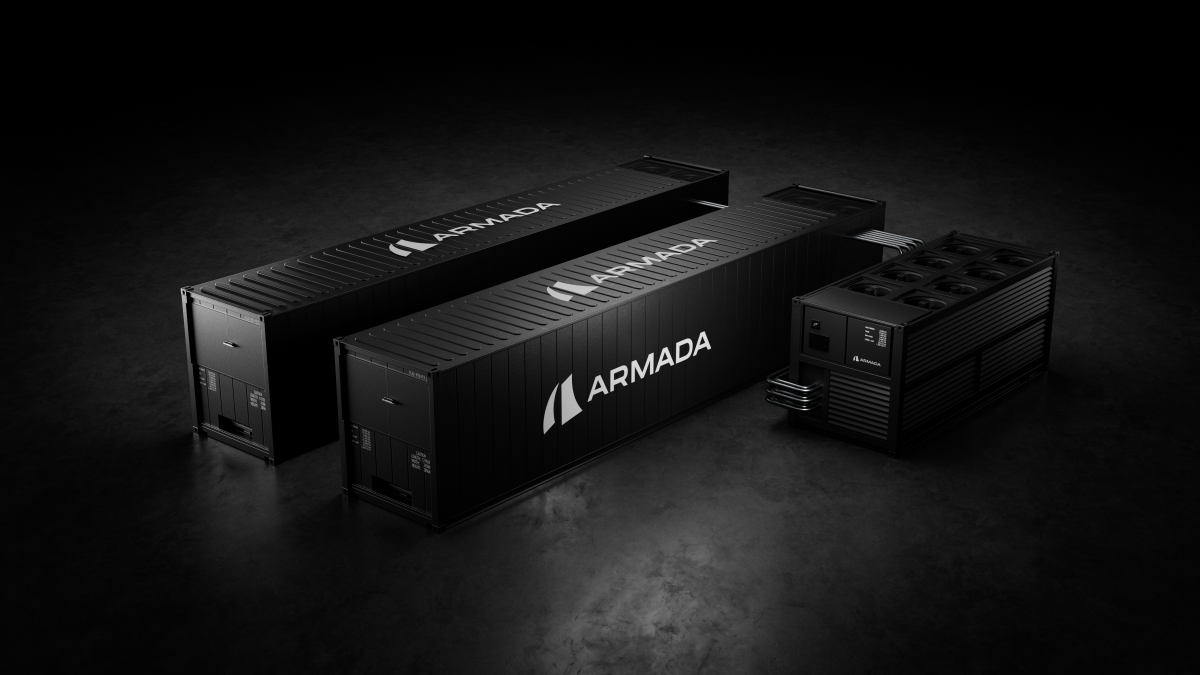
Leviathan combines computing equipment, electrical infrastructure, cooling technology, and operating software within a modular system designed to be manufactured before delivery to its final installation site.
Factory integration changes the sequence of infrastructure development. Instead of carrying out all mechanical, electrical, and computing installation work at a new facility, the manufacturer can assemble and test substantial portions of the system within an established production environment.
This requires coordination between structural fabrication, electrical distribution, cooling equipment, control systems, and the computing hardware that the completed module is intended to support.
Standardised interfaces can reduce the amount of bespoke engineering required for repeated installations, provided that the receiving sites meet the electrical, mechanical, environmental, and communications requirements established for the equipment.
Manufacturing the modules in a factory also creates opportunities to complete inspections and functional testing before shipment. Identifying problems during production can be simpler than correcting them after equipment has been transported and installed at a remote location.
Electrical testing is particularly important because high-density computing infrastructure operates with substantial power loads. Distribution equipment, protective devices, monitoring systems, and cable connections must function together under the operating conditions specified for the installation.
Completed modules still require final commissioning after delivery. Transport, installation, and connection to site infrastructure can introduce conditions that were not present during factory testing, making verification at the destination necessary.
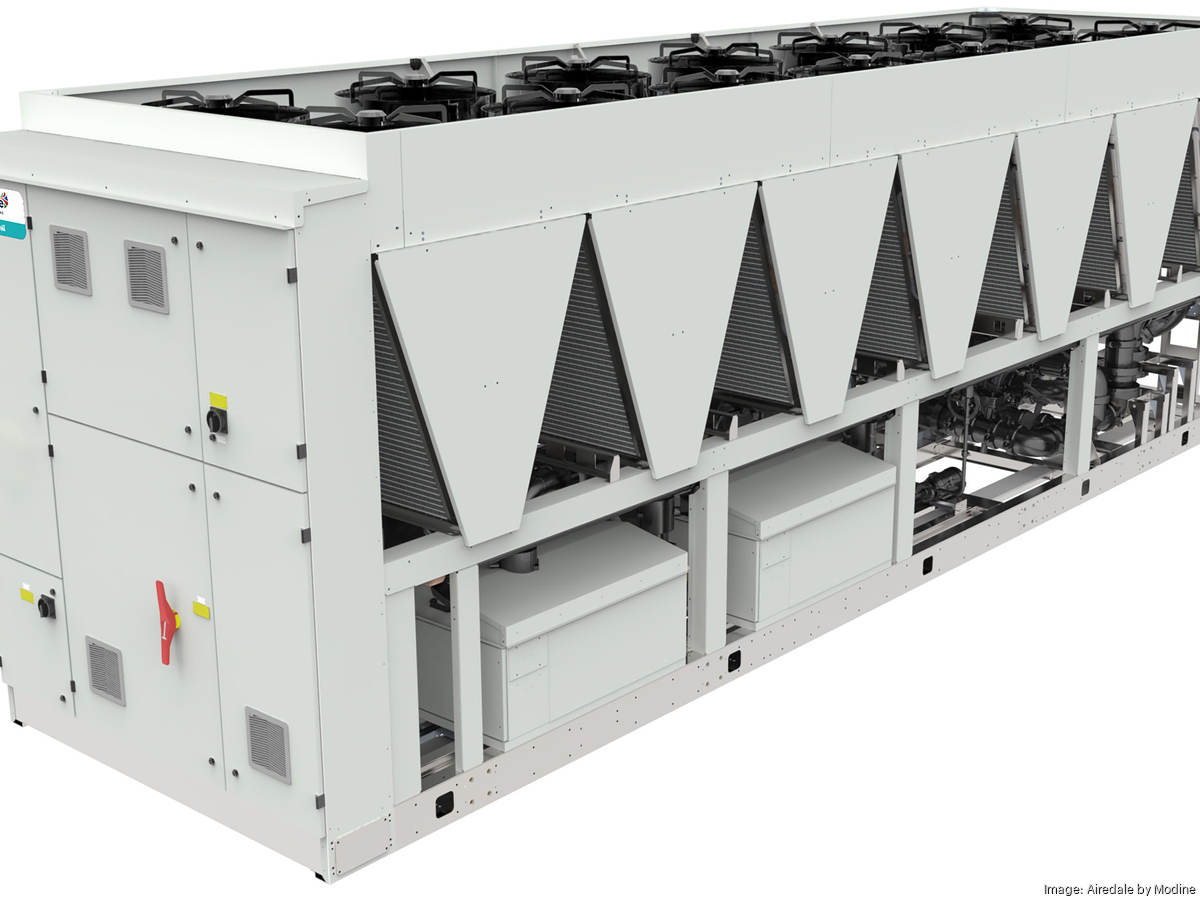
Thermal management represents another substantial part of the manufacturing programme. Johnson Controls provides cooling equipment and expertise spanning coolant distribution units, chillers, and building control systems.
High-density computing hardware converts much of its electrical input into heat. The cooling system must remove that heat while maintaining temperatures within the limits specified for the processors and other installed equipment.
Liquid cooling can transfer heat directly from high-output computing components through circulating coolant. The liquid passes through cooling equipment that removes the collected thermal energy before returning it to the computing system.
Flow rates, pressure conditions, coolant temperatures, and heat exchanger performance must be coordinated to maintain the required cooling capacity as the computing load changes.
Johnson Controls says its thermal portfolio includes technologies designed to reduce water use and improve energy performance. The companies have not released independently verified operating figures for the first completed Dublin unit.
Actual cooling consumption will depend on the system configuration, the temperature conditions at the receiving site, and the amount of computing equipment operating within the module.
Austin Domenici, president of Global Data Center Solutions at Johnson Controls, said the partners were combining thermal expertise and manufacturing capacity to complete more integration work before equipment reaches the customer.
The collaboration builds on Johnson Controls' experience producing equipment for mission-critical facilities, where thermal stability, electrical reliability, and the ability to maintain systems during operation are important engineering requirements.
Armada contributes the computing infrastructure and software used to coordinate individual modules. Its platform is designed to manage power, cooling, and computing resources across multiple installations.
The company markets these systems as sovereign computing infrastructure, allowing customers to own their equipment and maintain control over the environment in which workloads operate.
Physical ownership can support local control over equipment access and operation, although complete data and operational sovereignty also depends on software, administrative arrangements, network connections, and the external services involved in running the installation.
The first Dublin-built Leviathan is intended for Fossefall, which has ordered five modular data centres with a combined capacity exceeding 9MW.
Armada expects all five systems to be delivered by the first quarter of 2027. The completed first unit has been manufactured and tested, but the announcement does not establish that it has already been installed or entered commercial operation in Norway.
The remaining units will require continued production, factory testing, transportation, and installation before the full order can be commissioned.
Fossefall plans to develop computing infrastructure in Norway, where available electricity supply, climate conditions, and suitable industrial sites form part of the company's development strategy.
The modular approach allows infrastructure to be designed around the available power capacity at individual locations, although the ability to install and operate each system remains dependent on grid connections, site preparation, and the applicable technical approvals.
Armada is also targeting deployments in Australia through WinDC, which plans to install 11MW of modular data centre capacity across locations associated with renewable electricity generation.
That programme remains a planned deployment. The companies have not confirmed that the full 11MW is already operating.
Connecting computing infrastructure near renewable generation can reduce the distance between electricity production and consumption, but this does not remove the need to manage fluctuations in generation or provide the electrical resilience required by the computing equipment.
Energy storage, grid availability, and control arrangements may influence the suitability of individual sites depending on the intended operating profile.
The Dublin factory forms part of a wider manufacturing programme involving Galleon Forge One at Johnson Controls' facility in Gilbert, Arizona.
The American operation is expected to begin continuous production in early 2027, using a facility extending across up to 400,000 sq ft. The companies expect that operation to support more than 500 jobs, alongside further employment within the associated supply chain.
Additional expansion is planned at a Johnson Controls manufacturing site in Edmonton, Canada. The companies have not published a detailed commissioning timetable or production allocation for that proposed facility.
Across their manufacturing programme, Armada and Johnson Controls are targeting at least 500MW of capacity during 2027. That figure is a future combined target, not a confirmed annual output from Galleon Forge Two alone.
The approximately 700 people associated with the Dublin operation are described as personnel supporting the facility. The figure should not be interpreted as 700 newly created jobs resulting from this announcement.
Further manufacturing growth will depend on the availability of computing hardware, cooling equipment, electrical components, and suitable industrial production capacity.
The companies will also need to coordinate factory output with customer installation schedules, particularly where completed systems are exported internationally and must meet the electrical and technical requirements of different destinations.
Continuous production is now under way in Dublin, with the first completed system providing an initial manufacturing milestone. The Fossefall delivery schedule and planned expansion into other manufacturing locations will establish how quickly the partners can extend the model beyond that first European operation.