Parker Hannifin has introduced an insulated industrial hot water hose designed to reduce heat loss and simplify flexible connections in machinery operating at elevated temperatures.
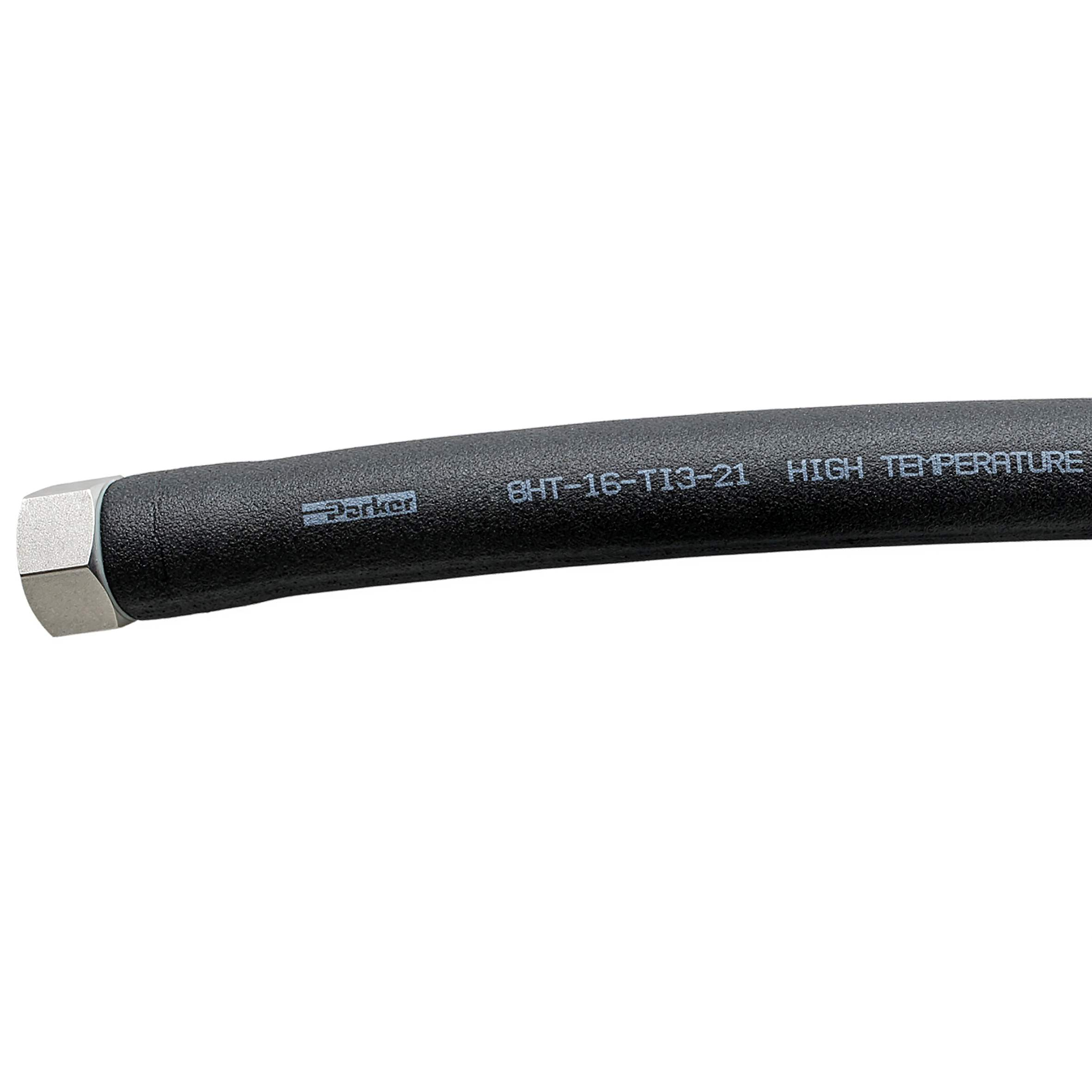
The new Push-Lok 8HT-TI hose incorporates an abrasion-resistant thermoplastic elastomer foam layer extruded directly onto the hose body. It is designed for continuous water temperatures up to 120°C and short-term peaks of up to 140°C.
Developed by Parker’s Polymer Hose Division Europe, the product is intended for industrial hot water circuits, injection moulding machinery, heated presses, tempering equipment and installations where restricted space makes routing flexible connections difficult.
The integrated insulation is intended to reduce heat transfer from the circulating water to the surrounding environment, while providing additional protection against contact with hot hose surfaces.
In an uninsulated fluid circuit, heat is transferred through the hose wall and released into the surrounding air. The rate of transfer depends on several factors, including the temperature difference between the fluid and its surroundings, the exposed surface area and the thermal characteristics of the hose construction.
Adding insulation increases resistance to this heat transfer. The insulating foam reduces the rate at which thermal energy moves away from the water, helping maintain the temperature of fluid travelling between parts of the system.
Any resulting reduction in heating demand depends on the length and configuration of the installation, its operating temperature and the duration for which the equipment runs. Parker has not published comparative heat-loss measurements or quantified energy savings for the 8HT-TI.
The company also identifies the integrated construction as a way to simplify equipment assembly. Rather than fitting a separate insulating sleeve around a completed hose assembly, the protective layer forms part of the manufactured component.
That arrangement can reduce the number of separate items handled during installation, although the effect on assembly time will depend on the equipment and connection arrangements.
Thermal protection is particularly relevant in machinery where hot water lines pass close to operating mechanisms or areas accessed during maintenance. Contact with exposed components carrying water at elevated temperatures presents a potential burn hazard.
The insulation is intended to reduce external surface temperatures, but it does not remove the need for appropriate guarding, safe access arrangements and procedures for depressurising or cooling equipment before maintenance.
Temperature ratings also require careful interpretation. The stated continuous limit of 120°C and peak limit of 140°C describe the hose’s published hot water temperature capability, rather than an assurance that every installation may operate at those conditions regardless of pressure or duration.
The hose must still be selected against the complete operating specification, including pressure, fluid compatibility, connection requirements and the environmental conditions surrounding the assembly.
Its pressure rating was not provided in the launch material available for this review. Designers should therefore consult the applicable Parker technical documentation rather than infer a working pressure from its temperature capability.
Parker has also incorporated abrasion resistance into the insulating layer. Flexible hoses in industrial machinery can come into contact with nearby components, particularly where equipment moves through repeated operating cycles.
Abrasion can progressively damage the outside of a hose, making material selection and routing important considerations for installations involving vibration, movement or restricted clearances.
Protective materials can reduce the effects of incidental contact, but they cannot compensate for unsuitable installation geometry or movement beyond the hose’s specified operating limits.
The 8HT-TI is designed with a tight bend radius to support compact routing. This may be useful where connections must be installed around machinery structures or within limited spaces.
Bending a hose beyond its permitted radius can deform its internal structure, reduce effective flow area or create additional mechanical stress. The minimum permissible bend radius will depend on the particular hose size and construction.
Parker has not supplied a numerical minimum bend radius in the product launch information. Installers must therefore use the appropriate dimensional specification rather than relying on the general description of flexibility.
The hose is compatible with Parker’s 82 series fittings and uses the company’s Push-Lok connection system, which allows a suitable fitting to be assembled without a conventional crimping operation.
Crimped hose assemblies typically require equipment that compresses a fitting around the hose to produce the intended connection. Removing that step can simplify preparation where a compatible Push-Lok combination is specified.
The arrangement may be useful for original equipment manufacturers assembling machinery and maintenance teams replacing hoses, particularly when access to conventional crimping equipment is inconvenient.
Correct assembly remains necessary. The hose and fitting must be compatible, the fitting must be inserted according to the manufacturer’s instructions, and the completed connection must be suitable for the operating conditions.
Push-Lok compatibility should not be extended to other fittings or hose families without supporting technical documentation.
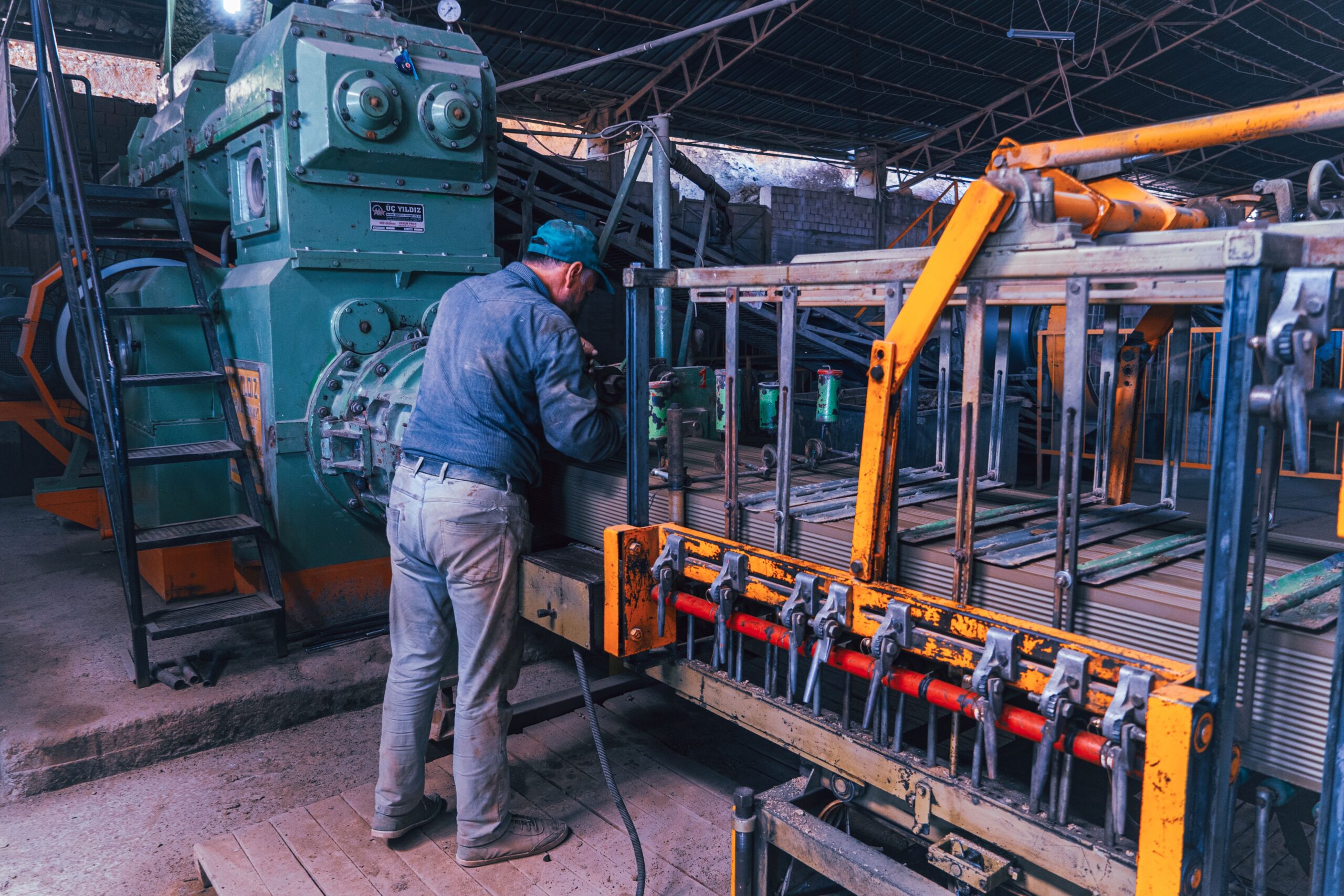
Injection moulding equipment is one application identified for the new product. Temperature control units circulate water through machinery to maintain specified thermal conditions during moulding operations.
Maintaining suitable mould temperatures influences how material fills and cools within the tool. Flexible connections may be required between fixed piping and machine components or where maintenance access makes rigid connections less practical.
Heated presses and industrial tempering systems present similar requirements. Their fluid circuits must transport heat reliably while accommodating the available installation space and the mechanical configuration of the equipment.
Energy chains introduce additional movement-related requirements. These systems guide cables and hoses along controlled paths as machinery moves, placing repeated bending demands on the components installed within them.
A hose used in an energy chain must be suitable for the intended movement cycle, bend radius, temperature and other operating conditions. Abrasion resistance and compact routing capability alone do not establish suitability for every dynamic application.
Parker also identifies reduced condensation-related problems as a potential benefit of the insulating layer. Whether condensation forms depends on the surface temperature and the humidity of the surrounding environment, so this effect cannot be assumed for every hot water installation.
Luca Pozzi, product manager at Parker’s Polymer Hose Division Europe, said: “The 8HT-TI hose design combines thermal insulation and abrasion resistance with the flexibility required where space is limited.”
Pozzi said the product was intended to simplify installation while supporting durability and protection in demanding operating environments.
The combination of hose, insulation and fitting system is intended to address several requirements within one component. Equipment designers must nevertheless assess its thermal, mechanical and pressure characteristics against the machine in which it will be installed.
Inspection and maintenance remain important because damage to a flexible connection can develop through operating conditions or incorrect routing. Insulation should not be treated as a substitute for checking the hose’s condition and replacing assemblies that no longer meet the required standard.
Parker has not announced a manufacturing capacity investment or a measured operating efficiency improvement associated with the launch. The confirmed product specifications include integrated insulation, compatibility with 82 series fittings and its stated hot water temperature limits.
The 8HT-TI is being introduced as an additional option for industrial hot water equipment where heat retention, compact installation and assembly requirements influence hose selection. Its suitability for individual systems will depend on the complete technical specification and operating conditions.