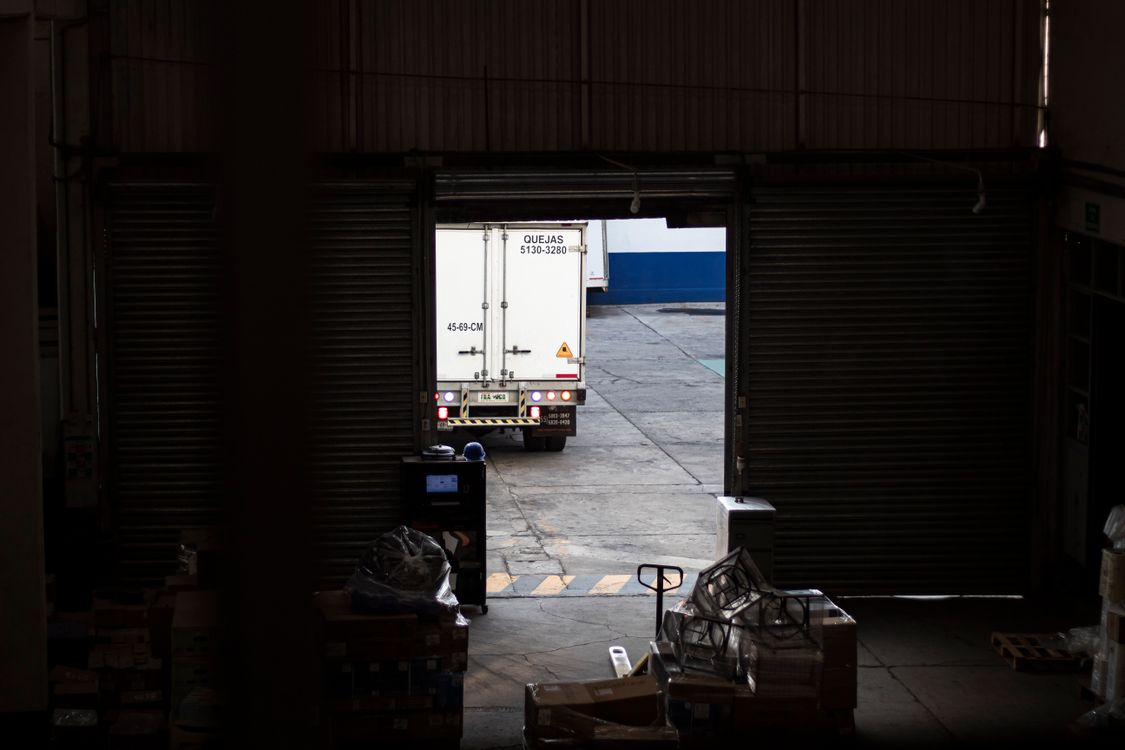
SUEZ is trialling a battery-electric heavy goods vehicle to deliver waste-derived fuel to Cemex UK’s Rugby cement plant, working with Baxter’s Haulage on routes that have previously used a diesel truck. The MAN eTGX is expected to make about 11 journeys daily between waste-processing facilities and the cement works, while charging at a high-power electric HGV facility in Leicestershire. The partners expect the change to save approximately 44,700 litres of diesel and 109 tonnes of transport-related carbon dioxide each year, subject to performance during operation.
The MAN eTGX will carry Climafuel, the high-energy fuel processed from non-recyclable household, commercial and industrial waste. Eight daily loads are planned between SUEZ’s Malpass Farm facility and Rugby, with three further overnight loads from Landor Street in Birmingham. Together, the two routes cover approximately 214 miles in the stated operating pattern. The partners associate about 72,000 tonnes of annual Climafuel deliveries with these movements, a volume that covers the delivery operation over the year.
The planned eleven daily journeys link two waste-processing facilities with a cement kiln that requires a continuous supply of prepared fuel. The vehicle replaces an Iveco S-Way already carrying out these movements, so the trial will test battery-electric operation against an established dispatch pattern. Charging time, loading and unloading, and vehicle availability must fit around the kiln’s fuel requirements, leaving little scope for unplanned interruptions in the delivery cycle.
The three overnight movements will use the Electroway public charging facility at Magna Park, Lutterworth. Its high-power installation is rated at up to 400kW, enabling a suitable truck to replenish energy between journeys. The amount transferred during each stop depends on the vehicle’s charging capability, battery state and available time. Keeping the charging stop within the scheduled night operation is essential to maintaining the next morning’s deliveries.
The scheduled 214-mile duty combines daytime collection trips with three overnight movements, exposing the electric truck to different traffic conditions and charging opportunities. The energy required on each leg will vary with vehicle mass, road conditions and auxiliary equipment. Operators must allow sufficient battery capacity for loaded runs while retaining access to high-power charging between assignments. The existing delivery pattern gives Baxter’s Haulage a repeatable route against which to record electricity use, timings and operational reliability.
Cemex’s Rugby kiln already uses Climafuel as an alternative to some conventional fossil fuel. SUEZ prepares the fuel from residual waste at its facilities and arranges its delivery to the cement works. The new truck changes the road transport operation supporting this existing arrangement; material preparation and the fuel’s combustion in the kiln continue under their established process controls. The transport trial can therefore be assessed separately from the plant’s broader cement-manufacturing emissions.
The alternative-fuel partnership has a longer operating history. In December 2024, SUEZ and Cemex reported that the facility had supplied one million tonnes of Climafuel since opening in 2015, associated with more than 750,000 tonnes of coal displaced. Those cumulative figures describe the kiln’s alternative-fuel programme. The electric HGV is a subsequent change to the delivery operation, which brings its own measurable fuel-use and transport-emissions targets.
Projected savings of approximately 44,700 litres of diesel and 109 tonnes of carbon dioxide each year depend on replacing the intended diesel mileage with electric trips over a sustained operating period. Trial records can establish the distance actually covered, diesel vehicle movements displaced, electricity consumed and time spent charging. The wider environmental balance would also depend on the electricity supplied and the method used to calculate transport emissions across the full fuel cycle.
Baxter’s Haulage operates the vehicle, SUEZ prepares and supplies the processed fuel, and Cemex receives the loads at Rugby. Collection slots, vehicle dispatch and site unloading will have to remain coordinated as charging becomes part of the transport schedule. A delay at one stage can affect the next planned journey, particularly when the vehicle moves between two origins and a single industrial customer. The trial’s repeated operating cycle allows these constraints to be measured alongside energy use.
Charging at a public facility adds coordination with other road users to the transport timetable. Baxter’s Haulage must account for charger occupancy, driver hours and the delivery windows at Rugby when planning the overnight movements. Actual charging power can vary during a session, making the energy gained within the available stop more useful than a single equipment rating. The partners have not specified the truck’s battery capacity, range on these loaded journeys or its charging duration.
Repeated shifts will establish how reliably the MAN eTGX can carry Climafuel to Rugby using the proposed timetable and charging arrangements. SUEZ, Cemex and Baxter’s Haulage will be able to compare the trial’s recorded diesel displacement, electricity consumption and deliveries against their projections. Those operating results will inform any decision to use electric heavy vehicles on further industrial fuel routes.