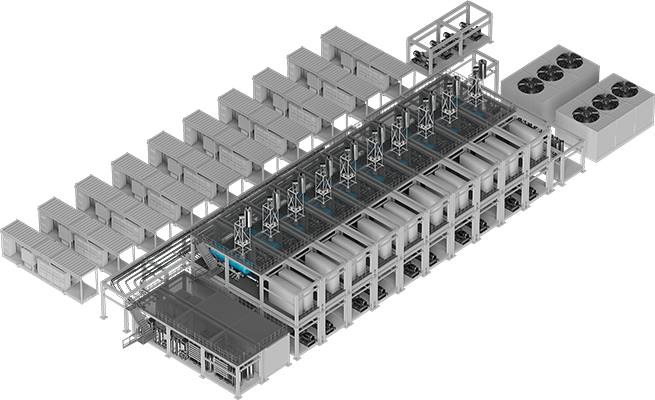
ITM Power has advanced a proposed 150MW hydrogen production plant at an unnamed European oil refinery, after its Hydropulse subsidiary signed heads of terms with the prospective customer. The arrangement envisages an on-site electrolyser installation based on ITM’s Alpha platform and a ten-year hydrogen supply contract, with engineering work already under way.
A joint front-end engineering design (FEED) study is progressing towards a targeted final investment decision in 2027, while hydrogen production is anticipated in 2029. Neither the refinery’s location nor the customer’s identity has been disclosed. The heads of terms record a preliminary commercial understanding; they are not a definitive contract, a financed construction commitment or an order for completed electrolysers.
Hydropulse plans to build, own and operate the electrolysis facility and sell hydrogen to the refinery under a long-term supply arrangement. ITM would consequently have operating exposure through its subsidiary rather than supplying equipment under a conventional sale alone. The heads of terms leave the definitive supply agreement, project financing and investment decision outstanding.
Electricity provision is particularly consequential in electrolytic hydrogen production because power is an important operating cost and determines much of the process’s associated emissions. Supplying electricity through the refinery is intended to limit Hydropulse’s direct exposure to electricity price volatility, although it does not remove the cost or carbon characteristics of that power. The production contract will still depend on the availability and quality of the electrical supply provided.
Oil refineries consume hydrogen in hydrotreating processes that remove sulphur and other contaminants from petroleum streams, and in hydrocracking processes that convert heavier fractions into lighter products. Electrolytically produced hydrogen could replace part of an existing supply, but the resulting emissions change would depend on the electricity used, the volumes delivered and the production method displaced. No plant-specific emissions reduction has been quantified in the agreement.
The proposed 150MW figure describes the electrolysers’ electrical rating. Actual hydrogen production will depend on electrical availability, electrolyser efficiency, operating hours and the configuration ultimately approved. The refinery’s intended hydrogen supply volume, daily utilisation and detailed plant design remain to be established through engineering and commercial agreements.
PEM electrolysers split purified water into hydrogen and oxygen using electricity and a membrane that conducts protons while separating the product gases. Their ability to change load can be valuable when electricity supply varies, but a refinery normally needs dependable hydrogen availability to maintain process conditions. Engineering a suitable operating arrangement therefore requires an assessment of the relationship between electrolyser output, storage, compression, distribution and the refinery’s consumption profile.
During FEED, engineers must integrate the electrolyser installation with the refinery’s electricity supply, treated-water provision, hydrogen compression, gas handling and process safety systems. The site layout and the required pressure and purity at the delivery point will influence the design, with further decisions needed on the actual compressor arrangement, storage and electrical connections.
A refinery’s hydrogen demand can continue through periods when an electrolyser is being maintained or electricity supply is constrained. The proposed supply model consequently raises questions about storage, backup production, scheduling and the responsibility for maintaining delivery pressure and purity. An electrolyser’s ability to adjust load does not by itself establish that a refinery can operate without interruptions to its downstream processes.
Launched in 2025, Hydropulse is ITM’s build-own-operate business for industrial customers that want hydrogen without owning the electrolysis equipment. Applying that model to a proposed 150MW refinery facility would extend ITM’s responsibilities well beyond manufacturing. Plant performance, service obligations and financing would remain relevant over the life of the proposed supply contract, rather than ending with equipment delivery.
Dennis Schulz, chief executive of ITM Power, described the project as the company’s largest commercial commitment to date if it advances to definitive agreements. An eventual operating contract will need to define purchase volumes, hydrogen pricing, delivery pressure, availability obligations and remedies for interruption. Those terms will influence financing and the engineering provisions for backup supply.
Likewise, the proposed ten-year term indicates the intended duration of hydrogen supply, rather than an already secured decade of revenue. A lender considering the project would need to evaluate the commercial contract alongside electricity arrangements, construction costs, operating risks and the prospective customer’s demand. ITM has disclosed bank discussions, but not an agreed financing structure.
ITM manufactures industrial PEM electrolyser systems in the UK and has been developing a portfolio extending from smaller packaged units to larger modular plants. Moving beyond equipment sales would give the group a continuing operating role in hydrogen production, but also exposes the project owner to plant availability, maintenance and financing obligations that differ from those of an equipment supplier.
With the FEED study continuing, the next material test is whether the parties can translate preliminary terms into a project design, enforceable supply agreement and investment approval in 2027. Only then would the proposed production date of 2029 become a firmer construction and commissioning timetable.