The European Commission has selected 46 additional Strategic Projects under the Critical Raw Materials Act, extending its programme to increase domestic extraction, processing and recycling capacity. The projects are located in 16 EU member states and cover materials used in batteries, permanent magnets, aerospace, defence and other industrial supply chains.
The selection was announced on 9 October following a second EU application round that received 102 submissions from 18 member states. Ninety-two applications underwent detailed assessment against supply-security benefits, technical feasibility, sustainability requirements and wider European value. Recognition under the Act offers coordinated administrative processes and assistance in seeking finance, but an individual promoter must still obtain the relevant environmental and construction approvals and secure its capital.
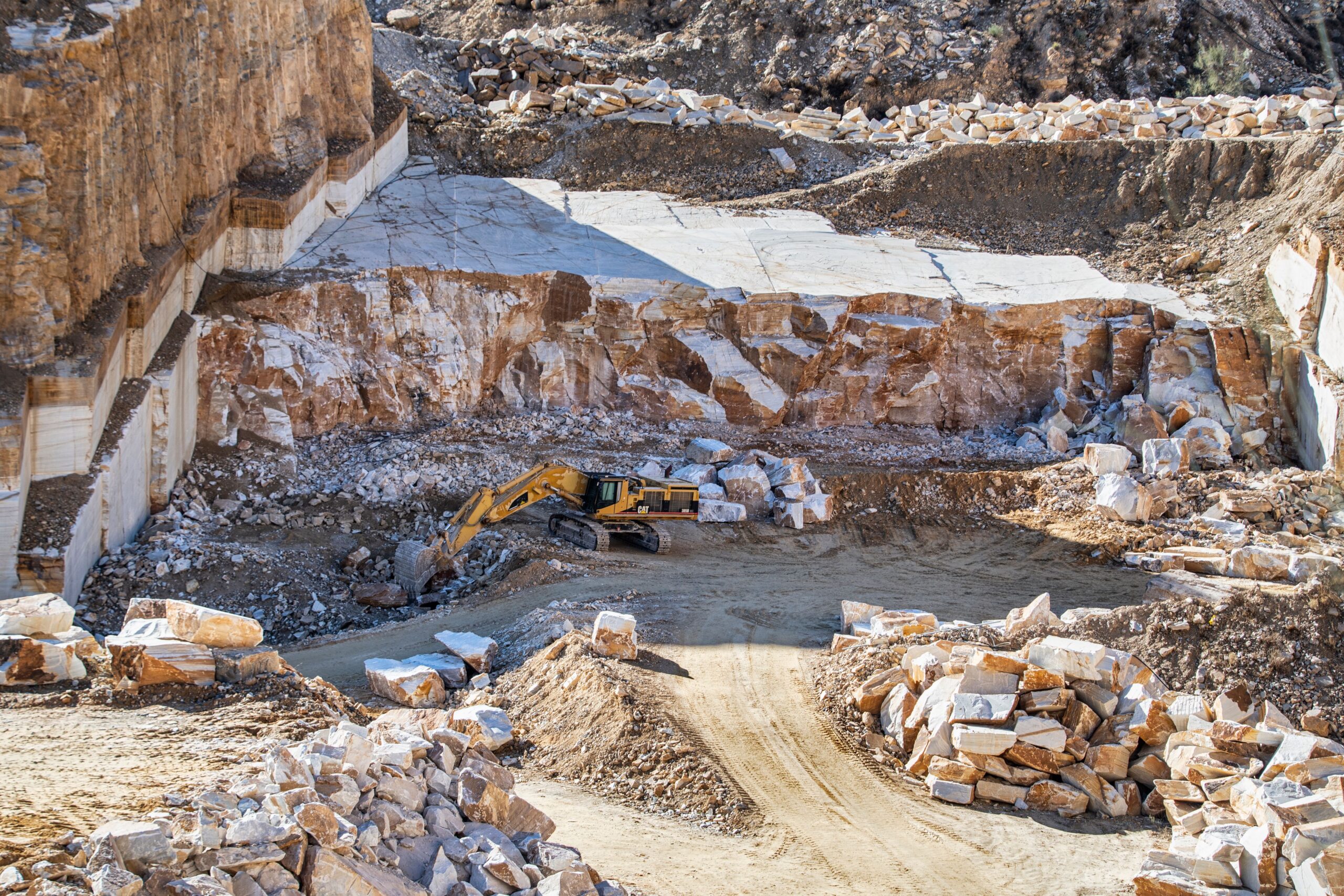
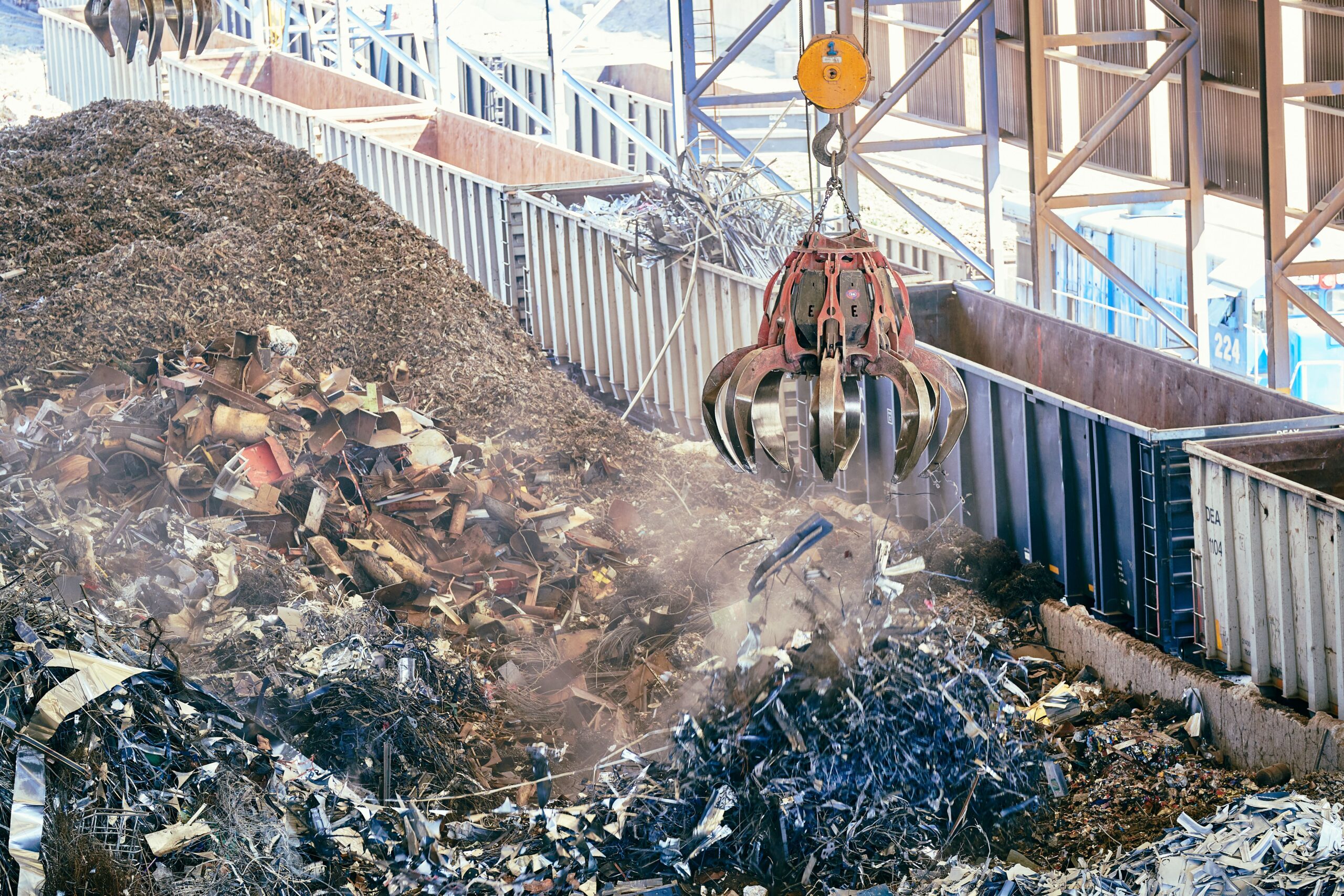
The new group comprises eight extraction projects, 11 processing projects and 19 recycling projects. Another eight combine stages of the chain, including three integrating extraction with processing and five linking processing and recycling. An ore concentrate or recovered waste fraction requires suitable refining, separation and quality control before it can become a dependable input to industrial production.
Seven of the selected projects involve lithium, with 12 involving nickel, ten cobalt, five manganese and four graphite, according to the Commission. These materials are relevant to different stages of battery production, while magnesium, tungsten and rare earths feature in engineering, aerospace and magnet applications. Some sites will handle several materials, so the figures describe overlapping material exposure rather than additional projects beyond the 46 designated.
The programme was established under the Critical Raw Materials Act, which entered into force in May 2024. Its 2030 benchmarks seek EU extraction capacity equivalent to at least 10% of annual consumption of strategic raw materials, processing capacity of at least 40%, and recycling capacity of at least 25%. These are capacity benchmarks across material groups rather than a requirement that every mineral should be produced at every stage in Europe.
Including previous selections within and outside the EU, the Commission now identifies 106 Strategic Projects. The 46 newly selected developments add potential capacity, although their location alone cannot eliminate reliance on external suppliers. European refiners may import concentrates or chemical intermediates, and manufacturers may still depend on equipment, energy or specialised materials sourced across international markets.
An extraction project may produce saleable concentrate yet leave a manufacturing supply gap if there is no processing capacity capable of delivering the necessary purity. Battery-grade chemicals, magnet alloys and aerospace materials each require tightly controlled composition and traceability. Refining adds its own engineering demands, including reagent handling, energy consumption, water treatment and management of residues, which can affect both costs and the ability to obtain permission to operate.
Permanent magnets illustrate the complexity. Rare earth ores contain mixtures that must be separated into individual elements before alloying and magnet production. Recovered magnets can provide an alternative feedstock, but their composition, coatings and contamination need to be managed if the output is to meet industrial specifications. Selecting recycling capacity without equivalent separation and manufacturing steps can leave critical parts of the supply chain dependent on facilities elsewhere.
Battery materials present related constraints, particularly when chemistries differ. Lithium, nickel, cobalt, manganese and graphite do not all follow the same refining route, while recycling operations must deal with a changing mix of spent cells and production scrap. Processes can recover valuable fractions, but making those fractions suitable for new battery production calls for additional chemical treatment, testing and consistent quality control.
Priority administrative handling under the Act may reduce uncertainty over the sequence of permitting decisions, while financing contacts can help promoters approach investors and prospective customers. The technical work remains project-specific: mine waste controls, processing emissions, power supply and product purity all influence whether a selected scheme can secure authorisations, capital and binding orders.
The Commission says 25 projects from the earlier selection have completed environmental impact assessments and 17 have obtained construction permits. These figures describe progress through discrete regulatory stages; they do not demonstrate that all those facilities have been built or entered production. The difference is material when industrial buyers assess whether additional supply will be available in time to support planned manufacturing investment.
The Commission says more than €2 billion in financial support has been mobilised across the wider programme through instruments including the Innovation Fund, state aid and the European Investment Bank. That figure must not be attributed to the 46 newly selected projects as a collective grant. Its Raw Materials Mechanism has also produced more than 30 potential supply-and-demand matches involving ten materials, although those matches do not establish that every project has secured binding offtake contracts.
Offtake arrangements remain important because large processing and mining investments require confidence in future revenue. A manufacturer may value diversified sourcing, but it still has to assess price, technical specifications, delivery reliability and qualification costs before purchasing material from a new supplier. Projects can therefore reach important planning or licensing milestones without immediately securing the contracts needed for final investment decisions.
Additional extraction and recycling capacity will reach manufacturers at different speeds because processing routes, customer qualification and transport networks vary by material. Battery cathode precursors, magnet alloys and aerospace inputs require different quality evidence before a buyer can change suppliers. Permits, investment decisions and eventual saleable output will show how the 46 designations affect Europe’s industrial material supply.