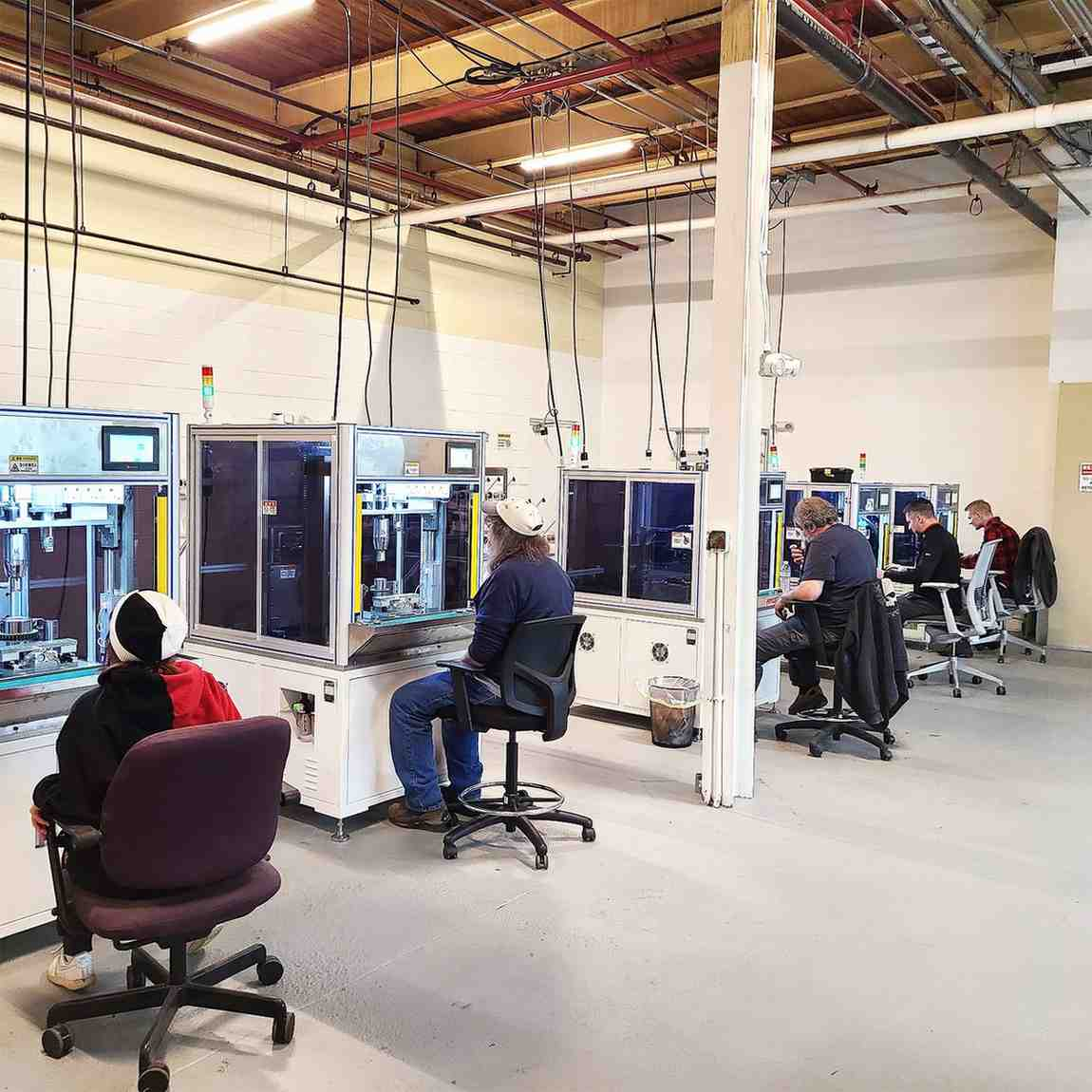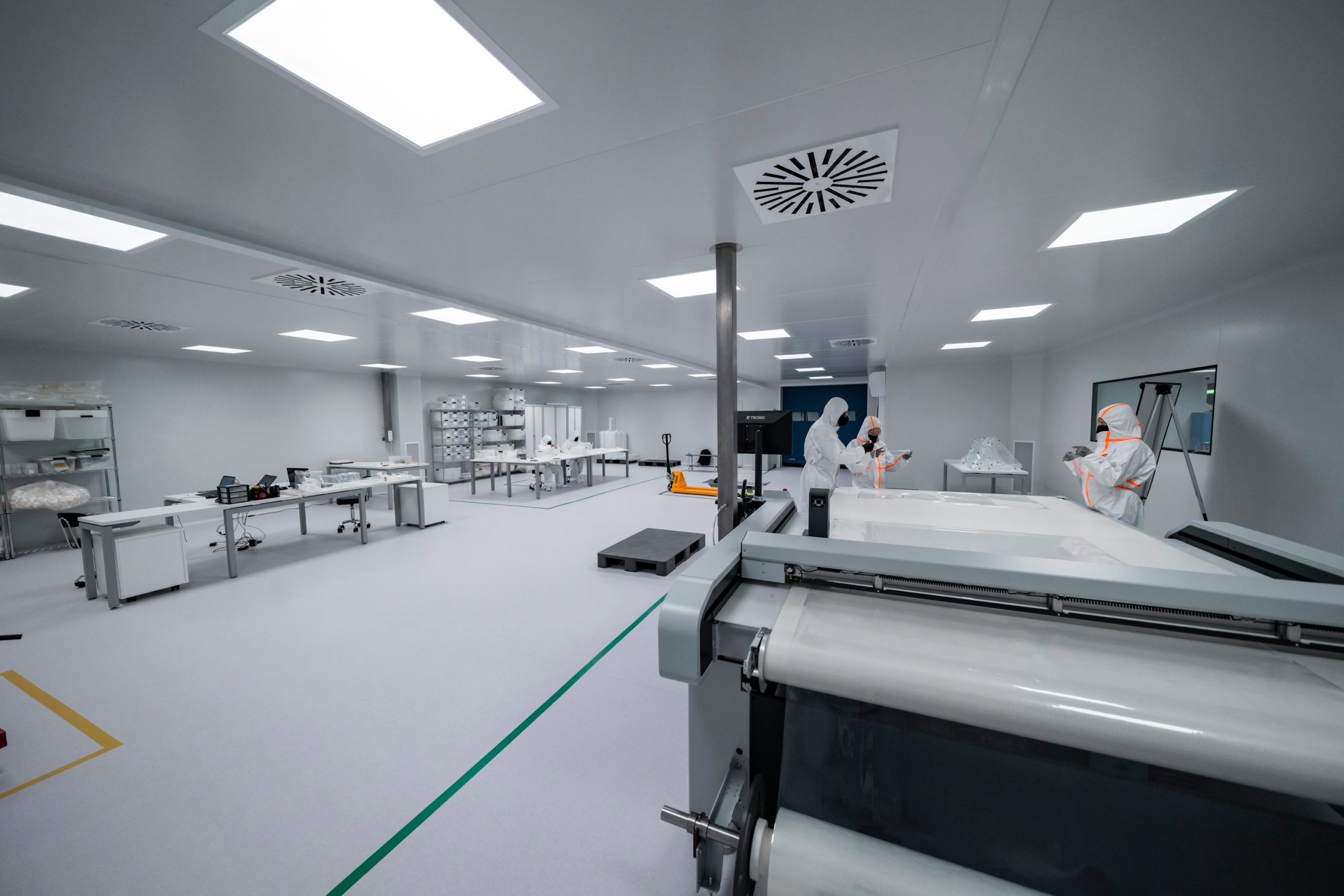
Cambrex has started construction of a $30 million research and development facility at its pharmaceutical manufacturing site in Milan, adding analytical and process-development capability while upgrading several existing production plants. Completion is scheduled for the second half of 2027.
The company has also acquired additional land next to the site for potential future development, extending the investment beyond a single laboratory building. Cambrex says the programme will increase its ability to support increasingly complex small-molecule drug substances and connect development work more closely with manufacturing.
The Milan operation, Cambrex Profarmaco Milano, marks 80 years of activity in 2026 and serves international pharmaceutical customers. It forms part of a wider Cambrex development and manufacturing network across North America and Europe, with the group employing around 2,000 specialists.
Locating expanded R&D alongside production addresses one of the recurring difficulties in pharmaceutical manufacturing: moving a process from laboratory development into equipment capable of producing material consistently at larger scale. Processes that behave predictably in small vessels can change substantially when mixing, heat transfer, addition rates, filtration, drying, or crystallisation are scaled up.
Small-molecule manufacture also depends on understanding impurities and controlling how they form. Reaction temperature, residence time, raw-material quality, solvent condition, agitation, and work-up steps can all influence the chemical profile of a batch. Analytical development therefore has to progress alongside process engineering rather than follow it after scale-up problems have already appeared.
The new Milan facility brings those disciplines into the same established manufacturing location. Cambrex has not disclosed the precise floor area or equipment specification of the building, so its practical significance will depend on the laboratories, instruments, pilot equipment, and manufacturing interfaces commissioned during 2027.
The group’s wider technical capabilities include continuous-flow chemistry, peptide synthesis, solid-state science, biocatalysis, material characterisation, complex synthesis, controlled substances, and highly potent active pharmaceutical ingredients. The Milan expansion is focused on small-molecule R&D, but it sits inside a business increasingly expected to handle manufacturing routes that demand specialised containment, analytical methods, and process knowledge.
Upgrading existing production plants alongside the laboratory build is therefore important. Additional chemists and analytical equipment provide limited manufacturing benefit if downstream vessels, filtration systems, dryers, utilities, or control systems cannot receive the processes being developed. Coordinating investment across both sides of the transfer creates a clearer route from development batch to commercial production.
Pharmaceutical manufacturing also carries documentation and validation requirements beyond those of many other process industries. Equipment changes, process parameters, analytical methods, cleaning procedures, raw-material specifications, and manufacturing instructions have to remain controlled and traceable, particularly when a customer programme progresses towards regulatory filing or commercial supply.
That makes technical transfer as much an information-management exercise as an equipment problem. Knowledge developed by chemists must be translated into operating ranges, batch instructions, analytical acceptance criteria, safety information, and process controls that production teams can execute repeatedly.
The adjacent land acquisition gives Cambrex further options beyond the current $30 million programme. Mature industrial sites often become constrained not by demand but by the physical accumulation of buildings, storage, utilities, roadways, environmental controls, and neighbouring property. Acquiring development space before it is immediately required reduces one of those limits.
Brownfield integration still creates its own engineering burden. New laboratories and upgraded production assets have to connect with existing utilities, safety systems, material routes, environmental controls, and quality infrastructure while customer manufacturing continues elsewhere on the site. Shutdown windows can be limited and qualification work has to distinguish modified equipment from systems that remain in service.
The advantage is that experienced technical and production teams are already present when the new capability comes online. Milan is not starting as an empty shell that must recruit an entire manufacturing organisation around new equipment; it is adding capacity to an operating site with eight decades of process history.
Cambrex expects construction to finish during the second half of 2027. That date marks the end of the building programme rather than the beginning of full productive use, because laboratories, analytical instruments, utilities, and upgraded manufacturing equipment will still require commissioning and qualification before customer work can pass through them routinely.
The $30 million investment creates additional technical space and modernises existing production capability. Its more useful measure will arrive later, when a process developed in the new laboratories moves into an upgraded plant without becoming a prolonged exercise in discovering what changed between the flask and the factory.