Ardagh Glass Packaging-Europe is replacing gas-based heat supply at its Obernkirchen glass plant in Germany with an electricity-powered system combining two ammonia heat pumps and recovered process heat. The installation will provide around 3.5MW of thermal output and is scheduled to enter full operation in November 2026.
The project is being delivered with RheinEnergie AG – next energy solutions and is already under construction. It changes how lower-temperature heat is distributed around the factory following installation of Ardagh’s NextGen Furnace, replacing an arrangement in which hot furnace exhaust contributed to steam generation for site heating.
Under the new configuration, warm process air from four annealing lehrs will be captured rather than discharged unused. Heat recovered from the lehrs will be transferred into the plant’s hot-water system, with the ammonia heat pumps raising the available temperature where required for building and packing-area demand.
The engineering is deliberately selective. Glass melting operates at temperatures far beyond the practical range of conventional industrial heat pumps, while space heating, hot water, and some auxiliary processes require much lower temperatures. Separating those loads allows recovered energy to be used where it is technically suitable without attempting to force one electrification technology across every thermal duty in the plant.
Annealing provides a predictable source of recoverable heat. Newly formed glass containers pass through controlled heating and cooling in the lehr to relieve internal stresses before inspection and packing. Air leaving that process contains useful thermal energy, and the new system converts part of what was previously an exhaust stream into a feed for the site heating network.
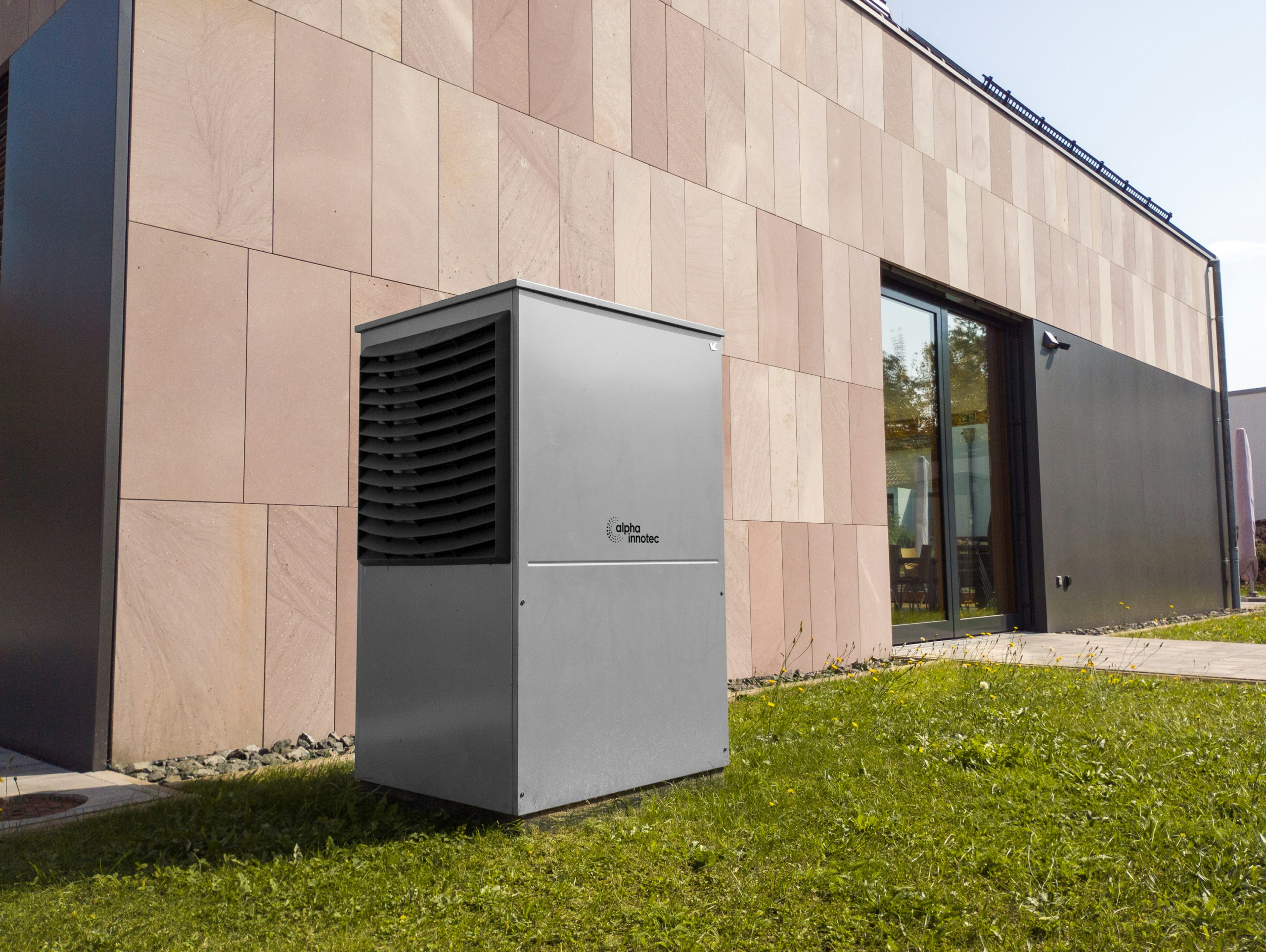
Ammonia is widely used as an industrial refrigerant and is suited to higher-temperature heat-pump applications, although it requires purpose-designed containment, ventilation, controls, and safety systems. The heat pumps consume electricity to move thermal energy from the recovered source to a higher usable temperature, allowing total delivered heat to exceed the electrical energy consumed by the compressors.
The project therefore shifts part of Obernkirchen’s energy demand from direct gas consumption towards electricity and process-heat recovery. Its performance will depend on the temperature and consistency of the recovered air, heat-pump efficiency across varying loads, electrical prices, and how closely heating demand coincides with normal glass production.
Those operating conditions matter more than nominal equipment rating. Industrial heat pumps achieve their strongest performance where the source temperature remains relatively high and stable and where useful heat can be consumed for long periods. A continuously operating glassworks offers both advantages, provided production and heating requirements remain sufficiently aligned.
The installation follows Ardagh’s wider work on furnace electrification. Its NextGen Furnace programme is intended to increase the proportion of renewable electricity used in melting while reducing fossil-fuel consumption, addressing the highest-temperature part of container-glass production separately from the lower-grade heat now being recovered elsewhere in the site.
Combining the two approaches creates a more integrated energy system than either investment would provide alone. High-temperature process heat remains tied to furnace technology, while lower-temperature demand is increasingly met through recovered energy and electrically driven equipment. That division is likely to be more relevant to other process manufacturers than any claim that a single technology can replace combustion throughout an entire factory.
Replicating the Obernkirchen arrangement elsewhere would begin with a detailed heat map. Manufacturers need to know where heat is generated, at what temperature, for how many operating hours, and which processes can absorb it. Only then can heat exchangers, heat pumps, storage, pipework, electrical infrastructure, and control systems be sized around real operating profiles rather than theoretical waste-heat potential.
Economics will also remain sensitive to the relationship between electricity and natural gas prices. Efficient heat pumps can still struggle commercially where electricity carries a large cost premium, while access to lower-carbon or lower-cost power can strengthen both the emissions and operating-cost case.
Ardagh has not published the capital cost of the system or a separate annual carbon-saving figure for the heat-pump installation. Its useful performance indicators will therefore emerge after November through measured electrical consumption, recovered thermal energy, displaced gas demand, availability, and maintenance.
For Obernkirchen, commissioning turns an energy-efficiency concept into operating plant. Heat that previously left the production line will be expected to replace part of the factory’s purchased fuel requirement through the same winter conditions that expose weak assumptions in heating projects rather quickly.