LANXESS has converted the burner serving an iron oxide pigment spray dryer at its Krefeld-Uerdingen site in Germany from natural gas to hydrogen. The equipment is now operating continuously following staged commissioning, with the specialty chemicals group expecting the change to reduce carbon dioxide emissions by around 6,000 tonnes per year.
The hydrogen is produced as a by-product of chlorine electrolysis at neighbouring Covestro operations and transferred directly to LANXESS through a pipeline. The arrangement uses the existing integration of the industrial site rather than requiring road deliveries or a standalone hydrogen-production plant dedicated to the burner.
LANXESS installed the hydrogen burner at the end of 2025 and progressively brought it into service. The system is designed to operate entirely on hydrogen and required a dedicated supply line, adapted burner equipment, measurement and control technology, and additional safety systems to integrate the fuel into an existing production process.
The burner supplies heat to a spray dryer used in continuous iron oxide pigment production. Maintaining stable heat input is therefore a production requirement rather than an occasional utility load, and the conversion has to preserve drying performance and product quality while accommodating the combustion and safety characteristics of hydrogen.
Instrumentation is consequently as important as the burner itself. Flow, pressure, combustion conditions, shutdown functions, and the wider production process have to remain controlled through normal operation, start-up, and fault conditions. A fuel change that works only during a demonstration run is not much help to a plant expected to manufacture continuously.
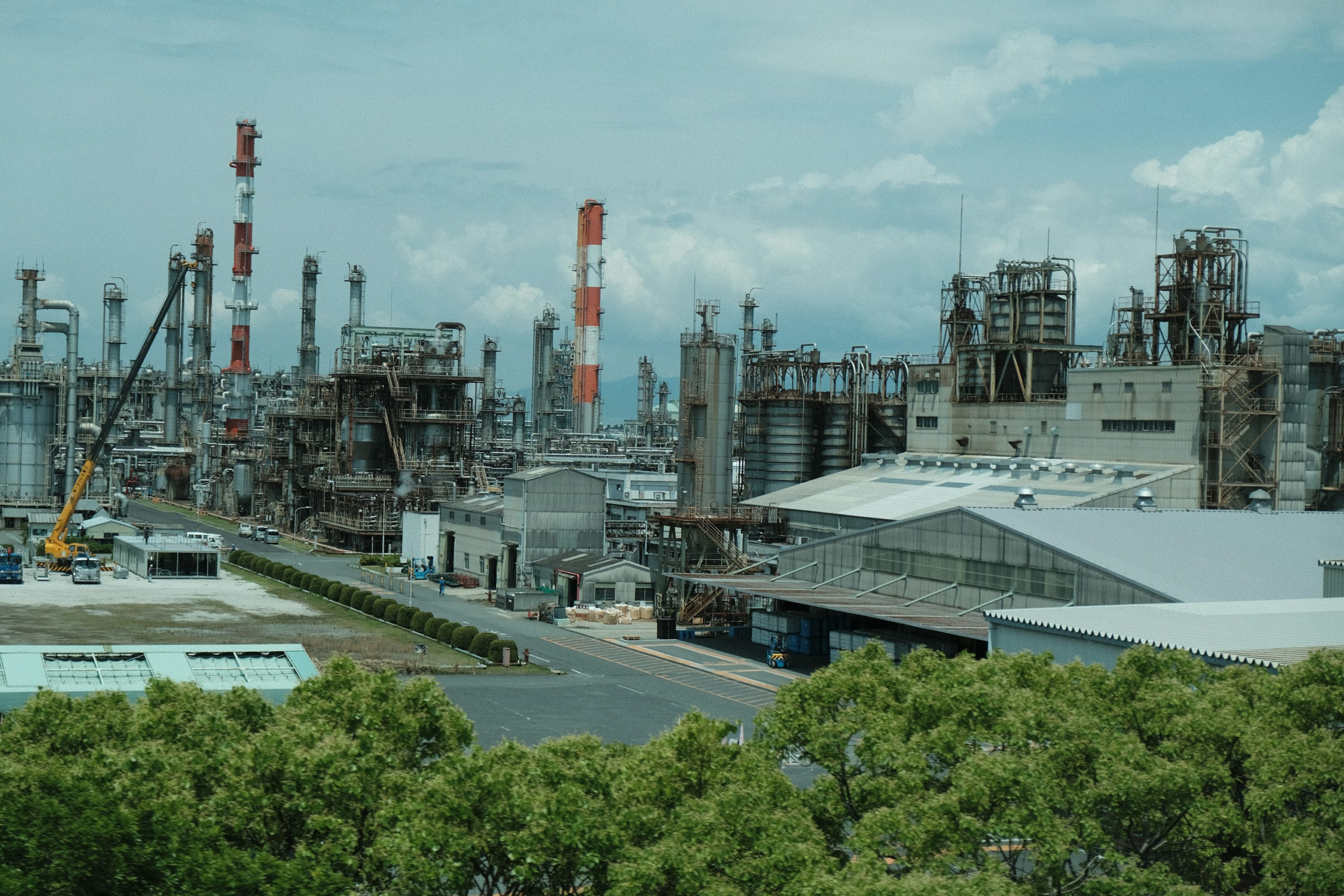
Krefeld-Uerdingen already operates as an integrated chemical site. Covestro supplies nitrobenzene used by LANXESS in pigment production, while aniline produced as a by-product is returned to Covestro for plastics manufacturing. The hydrogen connection adds another exchange between neighbouring processes, this time using a by-product energy stream to displace purchased natural gas.
The local arrangement removes some of the infrastructure barriers associated with industrial hydrogen conversion. Hydrogen projects require more than burner modification: supply, storage or pipeline connections, pressure control, metering, safety systems, and sufficient availability all influence whether the fuel can be used reliably. At Krefeld-Uerdingen, the neighbouring source and direct pipeline shorten that chain considerably.
The solution is therefore highly practical but also site-specific. A factory without an adjacent hydrogen source would face a different capital and energy calculation, particularly if it had to install electrolysis capacity or depend on delivered hydrogen. Replicating the burner technology is easier than replicating the industrial-cluster conditions around it.
LANXESS describes Krefeld-Uerdingen as the world’s largest production facility for iron oxide pigments, with manufacturing at the location stretching back a century. Its pigments are used in construction materials, paints and coatings, plastics, and other applications where consistent colour, weather resistance, and product quality are required.
The site uses the Laux process, which LANXESS says generates relatively little waste and makes efficient use of energy compared with alternative pigment-production routes. Converting the spray-drying burner therefore targets a direct combustion source within an established process rather than replacing the entire manufacturing method.
That is how much brownfield industrial decarbonisation is likely to proceed. Mature plants rarely have the luxury of replacing every major process asset simultaneously, so emissions reductions are assembled from changes to heat supply, electricity, process efficiency, materials use, waste streams, and equipment operation as investment cycles allow.
Hydrogen is most credible in that setting where it solves a defined technical problem and a dependable fuel supply already exists. Krefeld-Uerdingen meets both conditions: the process needs heat, Covestro produces hydrogen nearby, and the plants are already physically connected within the same industrial cluster.
The claimed 6,000-tonne annual carbon reduction will depend on sustained operating hours and the amount of natural gas displaced in practice. Reliability, maintenance demand, burner performance, and hydrogen availability will become clearer as the installation accumulates service time through normal production cycles.
LANXESS reported sales of €5.7 billion in 2025 and employs around 11,500 people across 32 countries, giving it a sizeable base of chemical production assets against which such projects can be assessed. The Krefeld conversion does not establish hydrogen as a universal answer for industrial heat, and it does not need to.
Its more useful contribution is narrower: a full-scale chemical process burner is now running continuously on hydrogen supplied as a neighbouring plant’s by-product. Industrial decarbonisation tends to become considerably more persuasive once the equipment is operating rather than appearing on a hydrogen strategy slide.