Power to Hydrogen has delivered and begun installing a 0.5MW anion exchange membrane electrolyser at the Port of Antwerp-Bruges, taking its M-Class technology into its first commercial deployment. Commissioning is scheduled for September, when the system is expected to begin producing renewable hydrogen in an operating industrial port environment.
The installation uses two 250kW AEM stack modules, which Power to Hydrogen describes as the first commercial deployment of stacks at that rating. The company intends the wider M-Class architecture to scale towards installations of up to 25MW for industrial customers.
AEM electrolysis is being developed as an alternative to established alkaline and proton exchange membrane technologies. Power to Hydrogen’s design is intended to avoid iridium and make greater use of materials including steel and nickel while retaining the rapid electrical response needed when electrolysers operate alongside variable renewable generation.
The company claims the Antwerp system can respond to changing electrical input in less than 50 milliseconds. It is also designed for pressurised operation, reducing some downstream compression requirements before hydrogen is stored, distributed, or supplied to a customer process.
Those specifications now have to survive outside controlled testing. Commercial electrolysis depends on the complete plant rather than the stack in isolation, with water treatment, power conversion, gas separation, cooling, controls, ventilation, instrumentation, emergency shutdown, and hydrogen handling all influencing availability and efficiency.
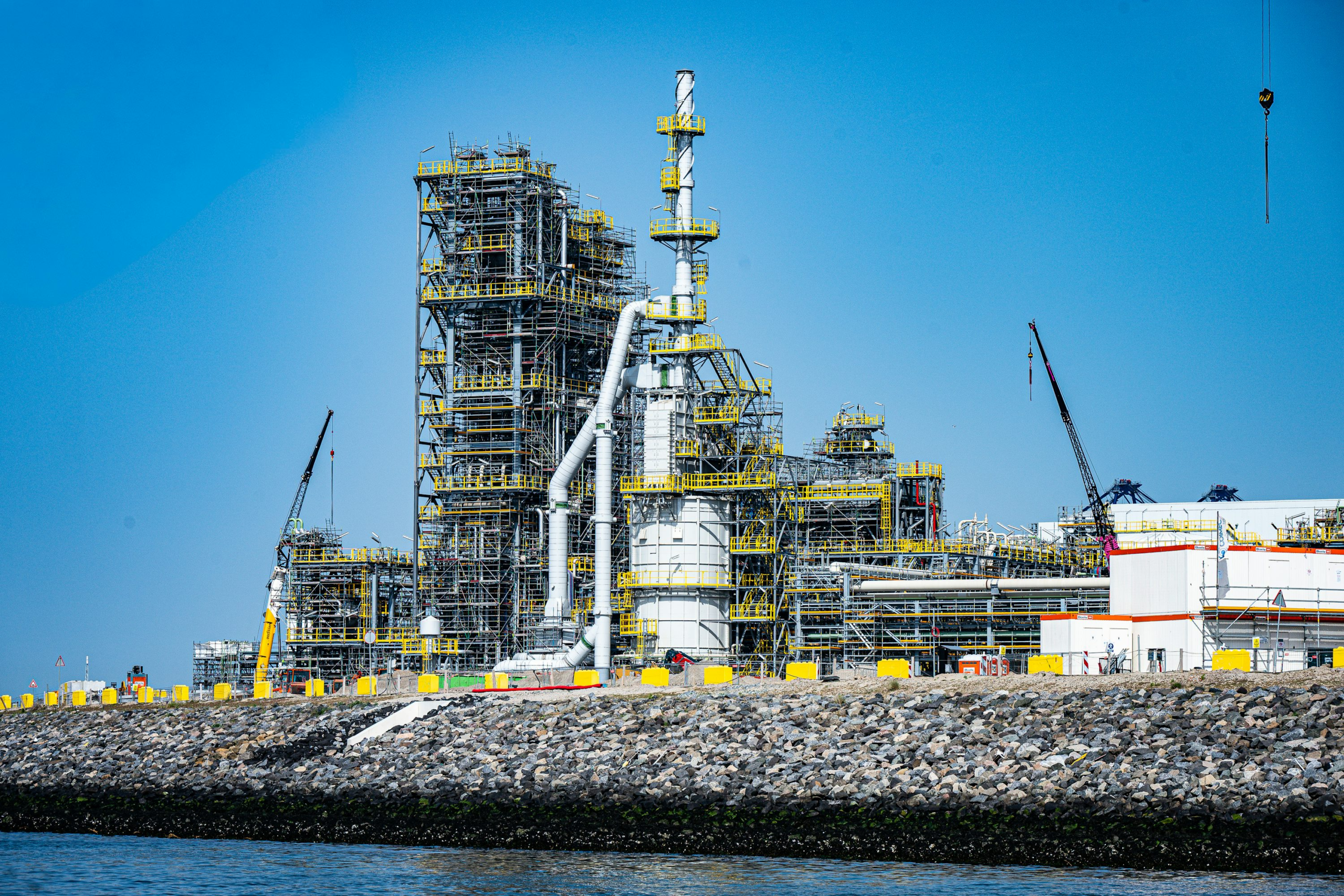
Antwerp provides a demanding setting for that transition. Port of Antwerp-Bruges is a major industrial and logistics cluster containing chemical production, fuel handling, storage, transport, and manufacturing operations. An electrolyser installed there encounters genuine industrial interfaces rather than operating as a standalone technology demonstrator.
The unit is expected initially to supply Holthausen, which operates in industrial gases and hydrogen-powered transport, with scope to serve additional customers. Power to Hydrogen also expects the project to generate commercial revenue during its first year, moving the installation beyond a purely research-funded operating model if planned offtake is realised.
The project emerged through the Free Electrons utility innovation programme before Port of Antwerp-Bruges selected Power to Hydrogen for its NextGen Demo area. The approximately two-hectare development zone is intended for technologies that have progressed beyond laboratory work but still require industrial-scale validation before wider commercial deployment.
That progression is particularly relevant to electrolysis. The hydrogen sector has produced a long pipeline of proposed multi-megawatt and gigawatt projects, but manufacturing, delivering, connecting, and commissioning complete systems remains a more demanding measure of industrial maturity than announcing project capacity.
At 0.5MW, the Antwerp unit is small beside some European hydrogen projects now entering construction and operation. Its value lies in establishing whether Power to Hydrogen’s larger AEM stacks and balance-of-plant design can run reliably enough to support a modular scale-up towards the company’s 25MW target.
Industrial hydrogen production at Lingen in Germany illustrates the other end of that progression, with larger electrolysers feeding hydrogen towards established industrial infrastructure. Antwerp is testing a different question: whether AEM can offer a credible commercial alternative at the equipment level before developers multiply the system into much larger plants.
Power to Hydrogen says its design can reduce capital costs substantially compared with PEM technology. Project-level economics will be harder to establish because stack cost is only part of an installed electrolyser. Electrical infrastructure, water treatment, compression, buildings, civil works, safety systems, and site integration can account for a sizeable share of total expenditure.
September commissioning should therefore produce more useful evidence than another comparison of theoretical technology costs. Stack efficiency, ramping performance, maintenance, hydrogen purity, pressure, availability, and the behaviour of the complete plant under changing load will indicate whether the architecture is ready to be repeated.
The equipment has now moved from factory development into an industrial port and has an identified customer for its output. The next milestone is straightforward enough: make hydrogen reliably. Everything after that — larger stacks, 25MW systems, and lower capital costs — depends on how uneventful that first commercial operating record becomes.