ITM Power electrolysers have produced renewable hydrogen that travelled approximately 120 kilometres through Germany’s emerging pipeline network to Evonik’s Marl Chemical Park. The delivery links production at RWE’s Lingen site with transport infrastructure and an industrial customer during commissioning of the GET H2 Nukleus project.
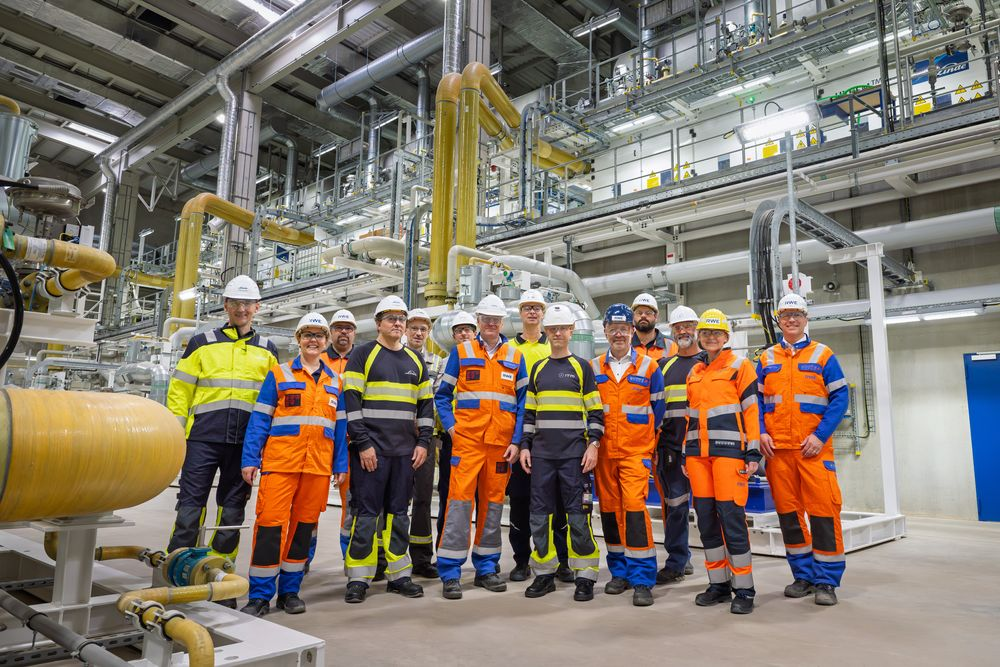
ITM Power and Linde Engineering are supplying two 100 MW proton exchange membrane electrolysis plants for RWE in Lingen, Lower Saxony. Initial hydrogen from the units has been transported by infrastructure operated by Nowega, OGE, and SYNEQT, an Evonik subsidiary responsible for services at Marl.
The first quantities comply with European Union requirements for renewable fuels of non-biological origin. Customers receive proof of sustainability, allowing the hydrogen to be included in decarbonisation accounting rather than treated simply as an unverified low-carbon input.
RWE is commissioning 200 MW of electrolysis capacity by the end of 2026 and plans to operate the full Lingen plant at 300 MW from 2027. The present delivery is therefore an early operating test of a larger system, not the final output level.
Dennis Schulz, chief executive of ITM Power, said the milestone demonstrated the maturity of large-scale PEM electrolysis. The company will continue supporting the project as the two plants move towards full commercial operation.
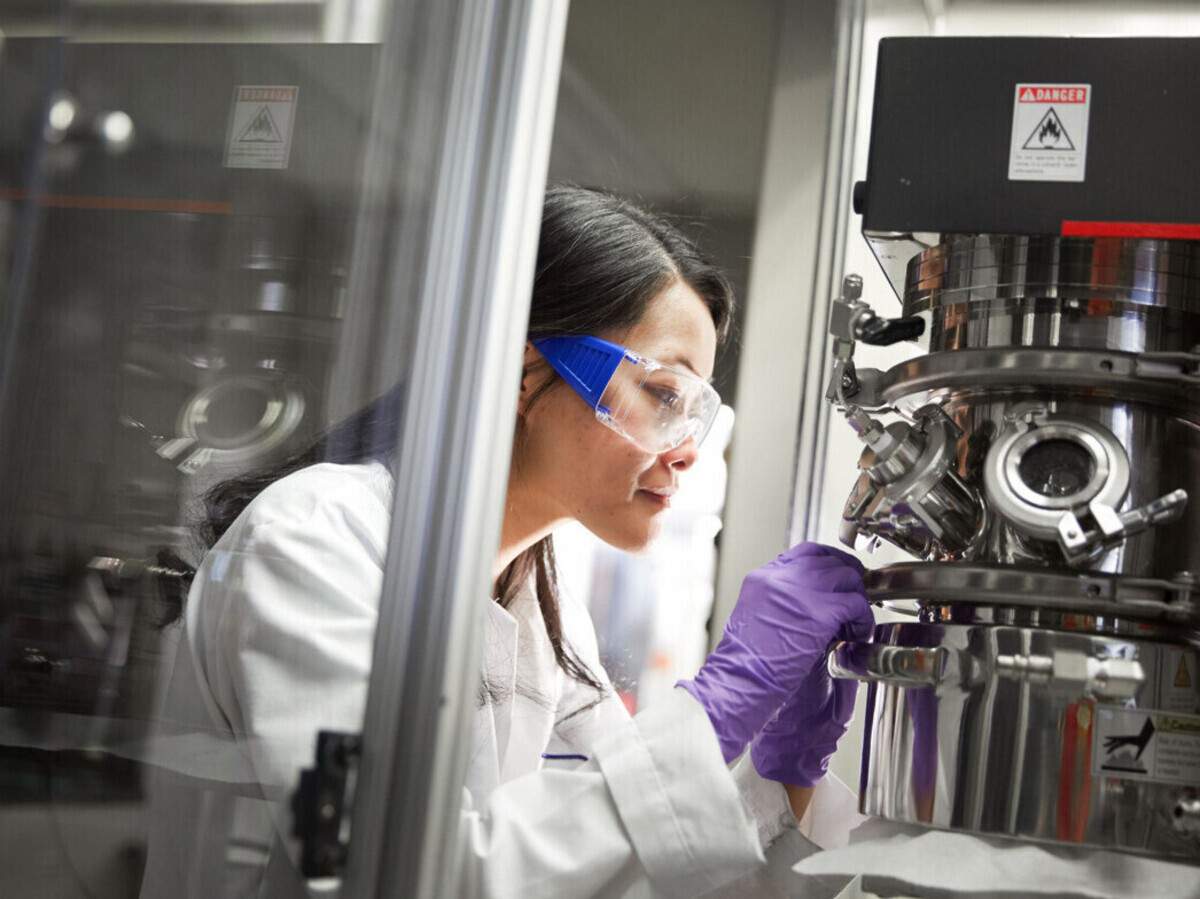
PEM electrolysers split water using electricity and a polymer membrane, producing hydrogen and oxygen in a compact electrochemical system. Their ability to respond to changing electrical input is useful where production must follow variable renewable generation, although a plant at this scale also depends on power conversion, water treatment, cooling, gas purification, compression, controls, and safety systems working as one installation.
The pipeline connection is equally important. Industrial hydrogen projects have often developed as isolated production assets, leaving questions over transport, storage, customer access, and commercial allocation unresolved. GET H2 Nukleus brings those elements into a single operating chain, with the first hydrogen now reaching a chemical site rather than remaining within the electrolysis plant boundary.
RWE said the completed pipelines are among the first sections of Germany’s hydrogen core network. Parts of the project are supported by the federal government and the states of Lower Saxony and North Rhine-Westphalia through the Hy2Infra Important Project of Common European Interest programme.
The network is designed to extend beyond the initial Lingen-to-Marl route. A 10-kilometre pipeline from Heek to Epe was completed at the end of 2025 to connect hydrogen storage, while RWE Gas Storage West plans to begin filling a commercial cavern at the end of 2026 ahead of operation in mid-2027.
Further conversion and construction work is intended to connect additional industrial customers. Existing pipeline between Legden and Dorsten is due to be converted for hydrogen by 2027, a new link is being built from Dorsten to Marl, and a connection between the Marl Chemical Park and the Gelsenkirchen-Scholven refinery has already been completed.
For Evonik’s Marl site, networked supply offers a route to renewable hydrogen without relying solely on dedicated on-site production or road transport. Chemical processes require dependable pressure, purity, and volume, so commissioning must demonstrate that certification and scheduling can function alongside the physical movement of gas.
The development also gives ITM Power a reference project in which its electrolyser technology is operating within a regulated industrial network. Equipment delivery established the installed base; the present milestone begins the harder work of proving availability, output, and coordination across several operators.
The commissioning programme is also testing commercial processes that do not exist in a simple producer-to-customer pipeline. OGE said the partners are using live operation to examine network access, capacity booking, and balancing, all of which will determine how multiple producers and users share infrastructure as the network expands.
Those arrangements will have to function across several companies with different operational responsibilities. RWE controls production, the transmission operators manage transport, SYNEQT supports the chemical park, and Evonik consumes the hydrogen. The project therefore depends on data exchange, nominations, metering, and accountability as much as on pressure and flow.
Commercial operation will provide the more useful test. The partners must increase production while maintaining quality, network balance, customer supply, and traceable sustainability evidence. Hydrogen announcements have been plentiful, but a molecule travelling from an electrolyser, through 120 kilometres of pipe, and into an industrial process is a more demanding measure of progress.