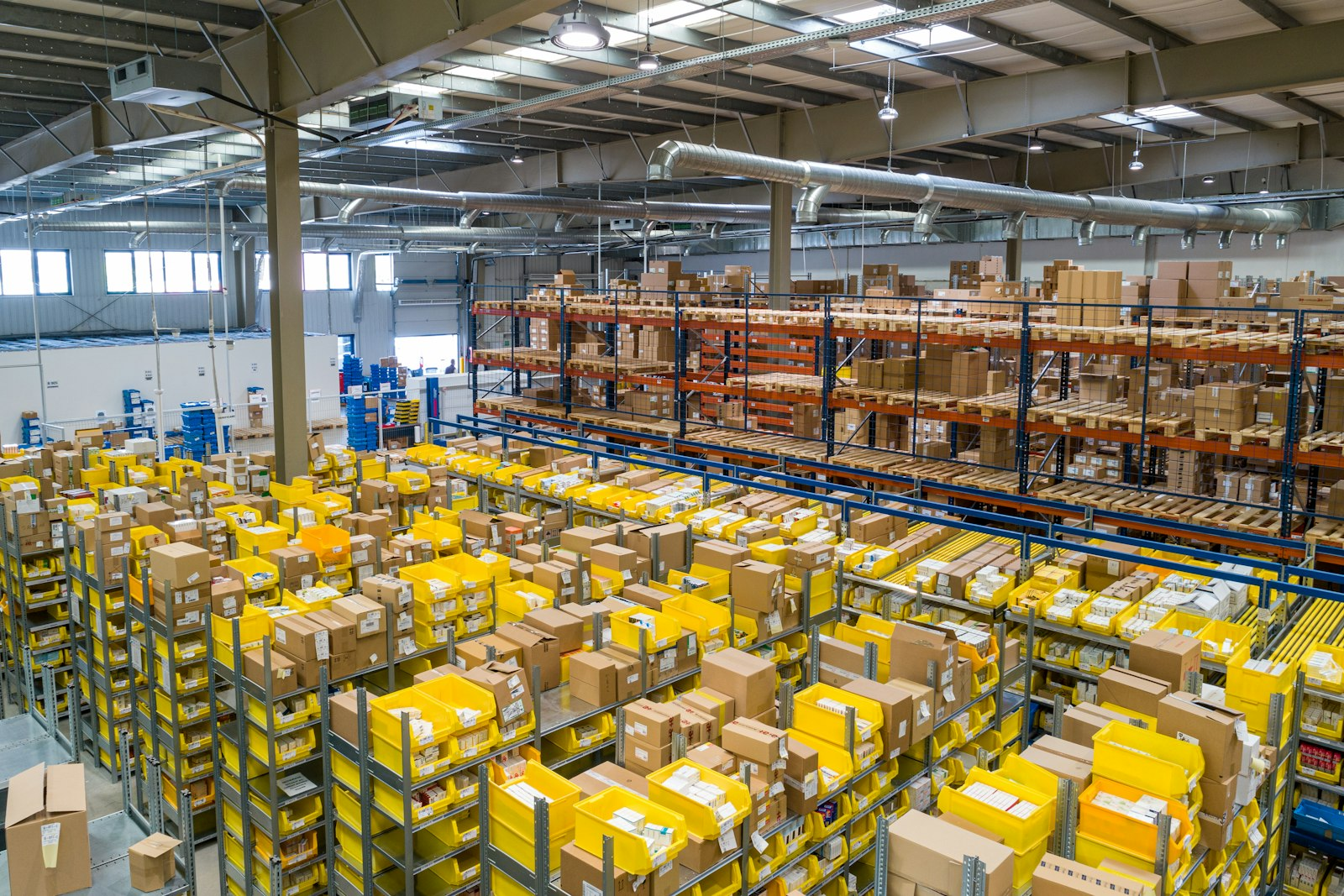
Frankenburg Technologies has opened a missile assembly factory in Riga, Latvia, creating what is described as the first missile production facility in the Baltic region.
The site will produce Frankenburg’s Mark I guided air defence missile and forms the first part of a two-site Latvian production system. A planned final assembly site in Ādaži will complete the system, which the company describes as a FieldFoundry model for modular and scalable missile production.
The Riga facility covers around 1,000 sq m and is expected to employ up to 50 people. It handles missile electronics assembly, weapon system assembly, fire control system integration, production testing, and quality control. The company says the site was established in 12 months.
Frankenburg plans for the two-site Latvian system to reach capacity of up to 100 missiles per day by the end of 2026, with 1,500 missiles planned for production during the year. The Mark I is designed to counter mass drone and aerial threats at a much lower cost than conventional guided missiles.
The opening reflects a major change in air defence economics. European militaries need high-end interceptors for aircraft, cruise missiles, and ballistic threats, while also requiring affordable systems that can be produced in quantity to counter drones and other lower-cost aerial targets. Using an expensive interceptor against a cheap drone creates an exchange-rate problem that is now shaping factory design, supply strategy, and weapon development.
European air defence procurement is moving in the same direction. Romania’s major SPYDER programme gives another clear demand signal for layered air defence, with interceptors, radars, launchers, training, logistics, and industrial cooperation tied into the requirement. Latvia’s new production site operates in a different segment, but both developments point towards the same pressure: Europe needs more air defence capacity, not only more advanced designs.
Missile manufacturing involves more than final assembly. Electronics, guidance systems, propulsion, structures, warheads, fire control integration, test equipment, software, safety processes, and quality documentation have to be coordinated under strict controls. Even relatively low-cost missiles require repeatable manufacturing if they are to be deployed at scale.
The Baltic location is strategically significant. Latvia sits close to NATO’s northeastern flank, where air defence, counter-drone capability, logistics, and stockpile depth are central to deterrence. Local production does not remove dependence on wider supply chains, but it can reduce delivery distance, support regional skills, and make sustainment more responsive.
The modular factory model also points to a changing industrial approach. Traditional defence production lines can be slow to establish because facilities, tooling, qualification, and supplier approval are built around long programme cycles. Frankenburg’s FieldFoundry concept aims to shorten that timeline through lean processes and standardised workflows. Its success will depend on whether that approach can preserve quality and safety while increasing output.
European defence manufacturers are being asked to support urgent stockpile replenishment while developing production concepts suited to future conflicts. Drone warfare has changed consumption rates and exposed the weakness of slow, expensive manufacturing models. Missile production now has to balance precision with volume, and that balance is shaping factory strategy as much as weapon design.
The Riga site also reinforces the growing overlap between defence manufacturing and electronics production. Fire control integration, electronics assembly, and production testing are central parts of the facility’s role. As weapons become more software-defined and sensor-rich, manufacturing capability increasingly depends on electronics skills, test engineering, and supply chain access to components.
Frankenburg’s output targets are ambitious, and the facility’s credibility will depend on demonstrated production, qualification, and delivery. The direction, however, is clear. Europe’s defence industrial base is moving from small-batch precision production towards scalable models suited to sustained demand, and the Riga factory gives that shift a Baltic manufacturing footprint.