The UK government has launched a national space strategy backed by £7.8 billion of investment through 2030, bringing civil, defence, research, launch, and communications activity into a single programme with an explicit role in industrial growth. Funding ranges from satellite communications and space security to launch infrastructure and in-orbit servicing, assembly, and manufacturing.
The programme includes £40 million for in-orbit servicing, assembly, and manufacturing technologies, alongside £148 million for European rocket programmes and £30 million for SaxaVord Spaceport in Shetland. A further £2.8 billion is allocated to connectivity programmes, including Connectivity in Low Earth Orbit and SKYNET defence communications.
Space control, intelligence, surveillance, and reconnaissance capabilities will receive £880 million, while £149 million has been allocated to the European Space Agency’s Vigil mission and £85 million to the National Space Operations Centre. The programme also includes £163 million for space science and exploration missions, including delivery of the UK-built Rosalind Franklin Mars rover.
UK Space Agency activity will sit within a strategy that replaces the previous National Space Strategy published in 2021. Four priority subsectors have been identified: satellite communications; in-orbit servicing, assembly, and manufacturing; space domain awareness; and assured access to space.
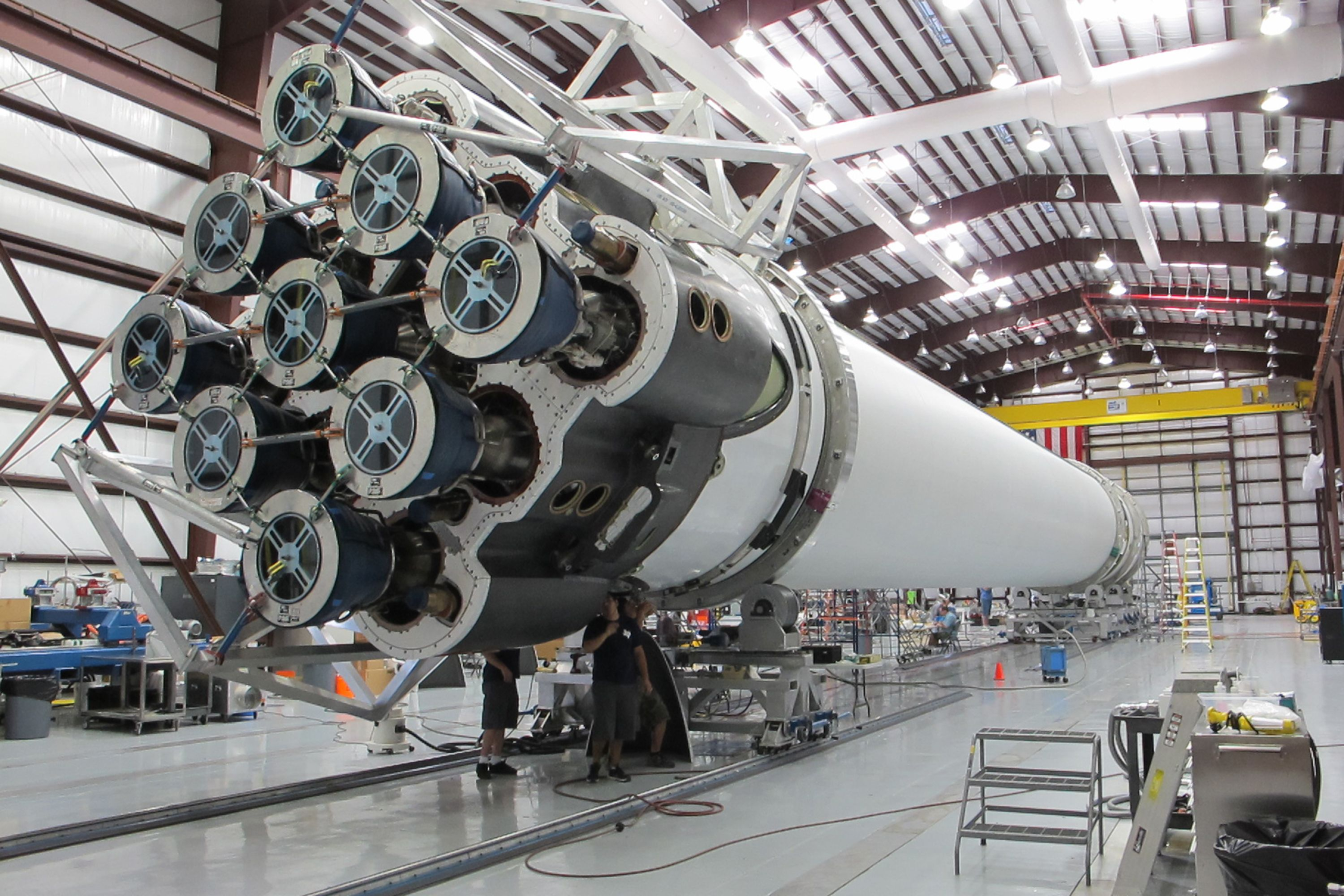
Those priorities create different requirements across the manufacturing base. Satellite communications programmes depend on antennas, radio-frequency electronics, semiconductor devices, payload systems, ground equipment, and resilient software, while assured launch access creates demand across propulsion, structures, telemetry, range systems, propellant handling, and vehicle integration.
In-orbit servicing and manufacturing adds robotics, sensing, autonomous navigation, docking, and precision control to that mix. Servicing spacecraft in orbit requires systems capable of approaching and interacting with assets that may have been designed without maintenance in mind, while orbital assembly could allow structures to be built without all of the size and stiffness constraints imposed by a launch vehicle.
SaxaVord’s £30 million allocation gives the Shetland launch site a direct position within the programme. Launch infrastructure extends beyond the pad itself, covering integration buildings, tracking and communications systems, specialist logistics, fuel handling, safety equipment, testing, and the engineering services needed to turn individual missions into a repeatable operation.
The site also connects the UK strategy with wider European launcher development. European Launcher Challenge contracts signed in August committed €543.6 million to Rocket Factory Augsburg, PLD Space, and Isar Aerospace, with Rocket Factory Augsburg planning launch activity from SaxaVord.
A further change concerns government procurement. Departments will take a more unified approach to buying and developing space technology, beginning with satellite communications, rather than treating civil, defence, and departmental requirements as entirely separate markets. Greater aggregation of requirements could give suppliers clearer visibility of demand while reducing the number of procurement routes used for technologies serving similar missions.
That visibility is relevant to companies investing in specialist capacity. Space hardware often requires long qualification cycles, extensive environmental testing, controlled component traceability, and unusually high reliability. Manufacturers deciding whether to add equipment, recruit engineering teams, or qualify additional production routes need programmes that extend beyond isolated demonstration projects.
The regulatory framework is also being altered around missions that fall outside conventional satellite operations. Measures include variable liability limits for orbital operations and proposed waivers of operator liability for certain in-orbit servicing, assembly, manufacturing, and lunar missions launched before the end of 2030.
Those changes sit alongside adjustments to third-party liability insurance and the treatment of decommissioning funds. Insurance and liability costs can become significant before a spacecraft leaves the ground, particularly for emerging mission types where operators and underwriters have less historical data on which to assess risk.
Research spending provides another route into the industrial base. UK Research and Innovation will receive £190 million for astronomy and space science, while the Met Office has been allocated £9 million for space-weather forecasting. Research programmes of that type require sensors, instruments, electronics, computing, test systems, and specialised engineering even where the final mission is scientific rather than commercial.
The UK space sector is valued by government at £18.6 billion and supports more than 55,000 skilled jobs. Much of that activity already sits in services, communications, engineering, and satellite operations; the new programme puts greater emphasis on adding launch, manufacturing, servicing, and security capability alongside those established areas.
Delivery will now depend on individual procurement programmes, infrastructure contracts, and investment decisions rather than the strategy document itself. With funding set through 2030, the industrial effect can be measured progressively through new facilities, recruited engineering teams, qualified hardware, contracted launch activity, and technologies advancing from demonstrators into repeatable production.