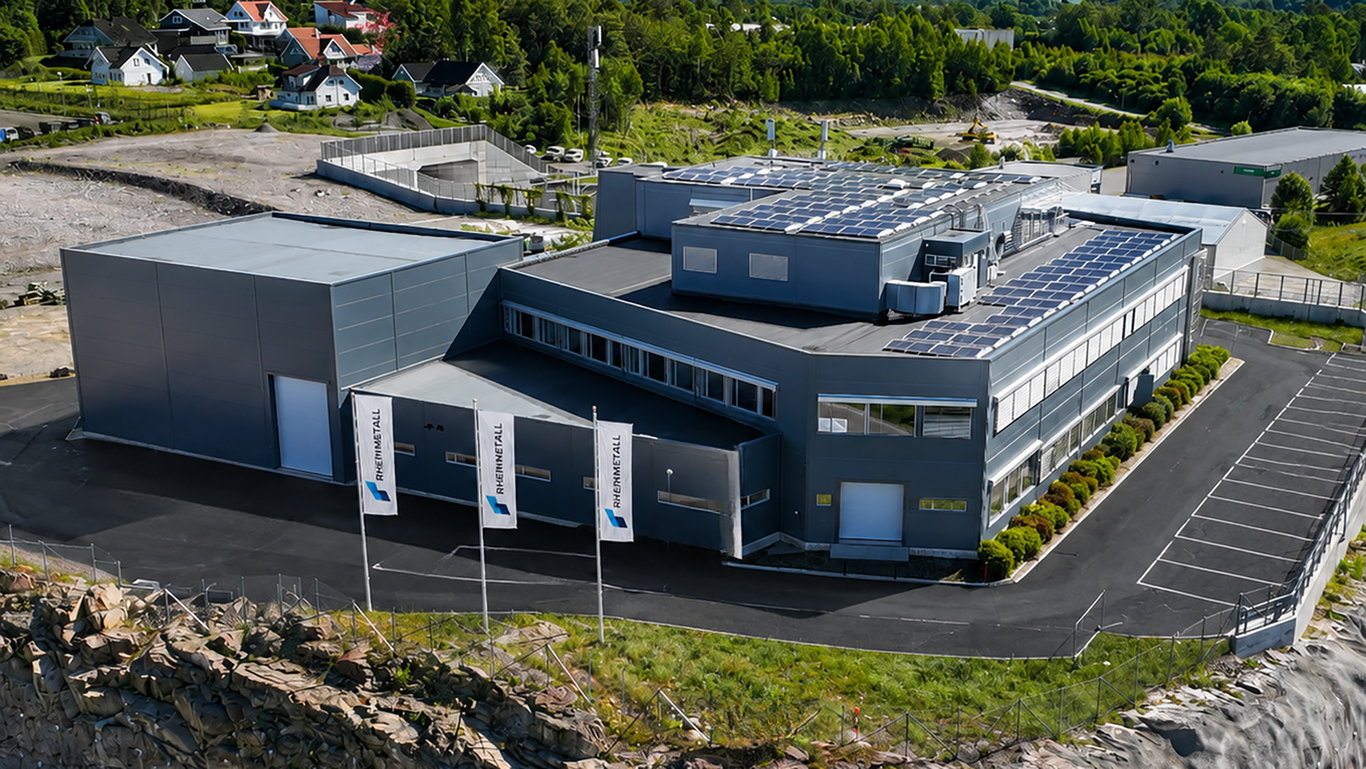
HyPrSpace has opened its first mass-production rocket engine factory near Bordeaux, creating annual capacity for around 100 hybrid propulsion units as the French startup prepares for two further ground tests and a planned suborbital flight in 2027.
The 7,000-square-metre plant is sized to manufacture enough engines for roughly 12 of the company’s planned Orbital Baguette One launchers each year, giving HyPrSpace an industrial footprint considerably larger than the immediate requirements of its flight-test programme. The company raised €21 million during 2025 and is funded through a mixture of public and private sources as it moves from propulsion development towards vehicle production.
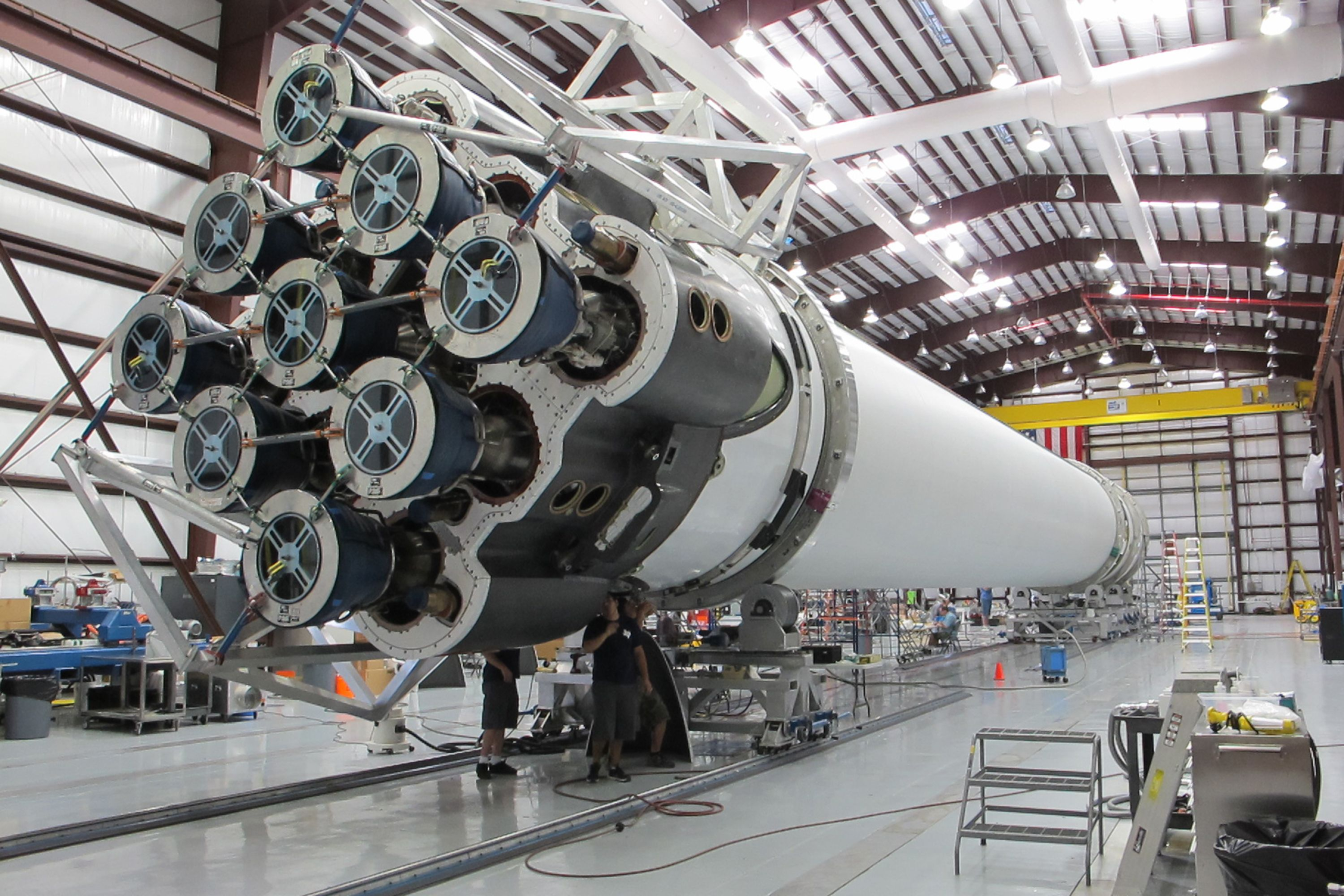
HyPrSpace is developing a hybrid engine using solid high-density polyethylene fuel and a liquid oxidiser, with a pressure-fed architecture that removes the turbopump used in many conventional liquid rocket systems. The company says its patented design contains around 30 times fewer parts than a conventional rocket engine, reducing the amount of turbomachinery and associated hardware that has to be manufactured, assembled and qualified before each propulsion unit can leave the factory.
Eliminating a turbopump simplifies several parts of the production chain, although hybrid propulsion introduces different engineering constraints around fuel geometry, combustion stability and oxidiser delivery. HyPrSpace developed an ultra-thin annular combustion chamber to improve mixing and reported average efficiency of 94% during a 2024 test campaign, forming part of the technical basis for scaling the engine beyond development quantities.
Factory production changes the development problem because an engine assembled by a small engineering team can tolerate inspection and adjustment at stages that become impractical once annual output moves towards three figures. Fuel elements, pressure vessels, valves, structures, ignition systems and other components need controlled specifications and repeatable assembly procedures, while hot-fire data has to show that units built at different points in the production run deliver sufficiently consistent pressure, thrust and thermal behaviour.
The nominal capacity of 100 engines a year therefore describes what the building and equipment are intended to support rather than the rate at which HyPrSpace will immediately manufacture. The launch vehicle programme still requires successful ground testing, a suborbital flight, vehicle qualification, regulatory approvals, customer demand and production capacity across structures, avionics, tanks and other systems before the engine factory can operate near its stated ceiling.
France’s defence ministry said in September that the planned suborbital vehicle is expected to fly from a military site in 2027, which would make it the first such flight from mainland France. Two further ground tests remain before that attempt, placing the new factory into service while the propulsion system is still completing its pre-flight validation rather than after the launcher has reached operational status.
HyPrSpace is targeting dedicated access to orbit rather than competing directly with heavy launch vehicles carrying large batches of satellites. Smaller launchers can offer customers greater control over mission timing and destination when they do not want to wait for a shared flight, although the economics remain difficult because the fixed costs of launch operations, regulation and infrastructure are spread across fewer payloads.
The company’s manufacturing strategy attempts to attack part of that cost base through propulsion simplicity. Fewer engine components can reduce procurement, assembly and inspection work if the pressure-fed hybrid system achieves the required performance, while a factory capable of recurring production provides an alternative to building each engine around a largely bespoke development process. CEO Nicolas Billecocq has described reducing the cost of access to space as the central objective of the programme.
European launcher competition remains intense, with several startups already further through orbital flight programmes and institutional procurement. HyPrSpace was not selected in the first round of the European Space Agency’s European Launcher Challenge but intends to bid again, leaving the company to demonstrate progress through its own test programme while larger competitors accumulate flight data and commercial contracts.
Manufacturing capacity may give HyPrSpace more room to respond if flight testing succeeds, yet the new plant also creates fixed costs before the launch business is mature. Specialist tooling, production engineers, quality systems and supplier commitments have to be supported while the vehicle remains pre-operational, making the 2027 demonstration a technical and commercial milestone for the factory as well as for the rocket itself.
Supply continuity will become increasingly important as output rises because simplifying the engine does not remove dependence on qualified materials, valves, electronics, igniters and structures. A component that remains available from only one supplier can still limit production even when the final assembly operation has spare capacity, and launch hardware generally requires tighter change control than many industrial products because substitutions can trigger further testing or qualification.
The Bordeaux-area factory gives HyPrSpace room to begin addressing those issues before a commercial launch cadence exists. Its 7,000 square metres and 100-engine target establish the production envelope, while the remaining ground tests and 2027 flight will determine whether the propulsion design is sufficiently mature to make use of it.
If the flight campaign progresses as planned, the company will enter the next stage with engine manufacturing capacity already established rather than waiting for a successful demonstrator before building a factory. If technical or regulatory delays extend the programme, the same capacity will remain underused for longer, making the relationship between flight qualification and manufacturing ramp the central industrial test for HyPrSpace through 2027.