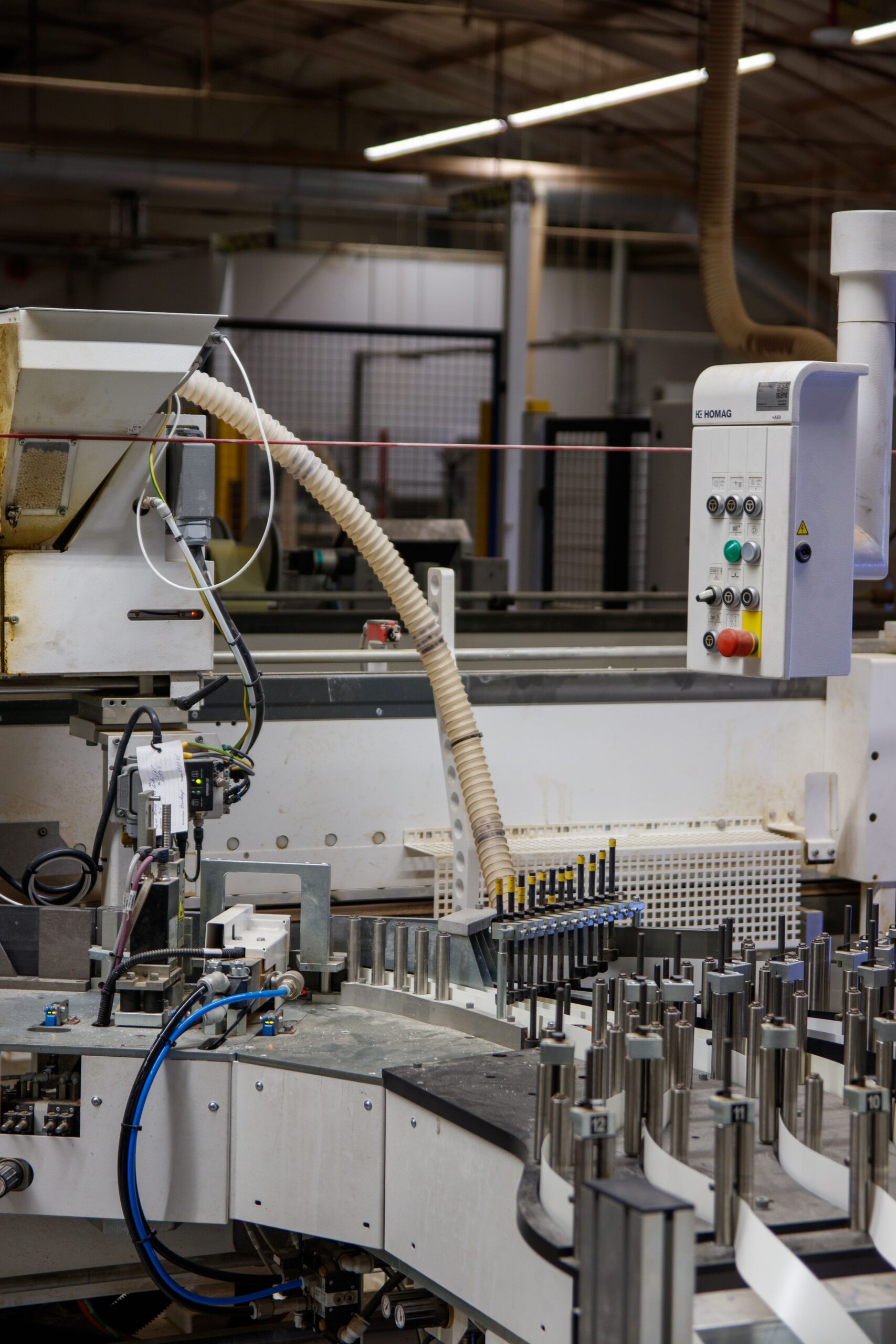
The UK Government has opened the first application window for the British Industrial Competitiveness Scheme, allowing eligible manufacturers in England, Scotland and Wales to seek exemptions from electricity policy costs that are scheduled to begin taking effect from April 2027.
Applications opened on 1 October and must be submitted by 11:59pm on 30 November, with eligibility decisions due in January. Government estimates that more than 10,000 businesses could qualify, while the combined package of support is intended to reduce eligible electricity bills by up to 25% once the full set of exemptions is operating.
The first reductions will remove indirect Renewables Obligation and Feed-in Tariff costs from qualifying electricity consumption from April 2027, followed by relief from Capacity Market costs in October. Wholesale electricity prices, network charges and the physical cost of supplying power remain outside the scheme, leaving BICS focused on specific policy-related components of the industrial electricity bill.
Qualification depends on both the activity carried out by the business and the products being manufactured. Applicants must operate within an eligible four-digit Standard Industrial Classification code, manufacture products covered by the scheme’s six-digit Harmonised System classifications and satisfy the minimum electricity-use criteria set out in the guidance, while Companies House records must support the manufacturing activity claimed in the application.
Relief is calculated at manufacturing-site level rather than across a company as a whole, creating different outcomes where a group operates several plants or combines eligible and ineligible production behind the same electricity supply. A site producing only qualifying products can receive relief against all eligible grid electricity used in the relevant manufacturing operation, while mixed sites have to establish the proportion associated with qualifying activity and the supporting functions needed to carry it out.
Production equipment is only part of that calculation. Electricity consumed by supporting systems including process cooling, compressed air, lighting, IT and control equipment, material handling, robotics and testing can be included where those functions are necessary for eligible manufacturing, requiring applicants to understand how energy moves through the complete site rather than limiting evidence to the main production line.
The application process consequently places significant weight on metering and documentation. Businesses are expected to provide six consecutive months of recent electricity evidence within the prescribed period, alongside sufficient information for the department to establish both eligibility and the level of relief claimed. Government guidance warns that submitted applications cannot subsequently be amended and may be rejected where information is incomplete, inconsistent or insufficient for verification.
Electricity generated behind the meter does not enter the same calculation because BICS removes specified charges attached to grid-supplied power. A factory using on-site solar, combined heat and power or another source therefore has to distinguish that generation from electricity imported through the relevant meter, while sites sharing supplies across several activities may need a more detailed allocation before submitting the claim.
The scheme also overlaps with the existing British Industry Supercharger used by some electricity-intensive businesses. Where a manufacturing activity qualifies for both support mechanisms, the government guidance is designed to prevent the same electricity consumption receiving duplicate relief, leaving companies to identify which parts of their site load are already covered and which remain eligible under BICS.
Implementation is already feeding into the wider mechanics of electricity policy. The Government’s current 2027–28 Renewables Obligation was calculated before the additional BICS exemption takes effect, and the published obligation could be revised before April if the legislation required to implement the manufacturing exemption enters force in time. Eligible factories would avoid the relevant charge, while the calculation for electricity remaining inside the obligation would change as the exempt volume is removed.
Manufacturers therefore have to make an application while part of the wider implementation framework is still moving through its final legislative and administrative stages. The eligibility rules and evidence requirements are sufficiently defined for the first application round to proceed, but individual companies cannot treat the headline 25% reduction as a guaranteed saving because the outcome depends on their electricity use, product classifications, existing relief and the proportion of consumption that qualifies.
The site-specific structure will favour businesses that can demonstrate their energy flows clearly, particularly where production and supporting operations are separately metered or can be substantiated through existing monitoring systems. Factories with mixed activities, shared utilities or incomplete historical data may face more work before the deadline, since the department is asking applicants to evidence the claim at submission rather than relying on later corrections.
The immediate timetable is fixed even while the eventual saving varies by site. Manufacturers have until the end of November to assemble the classifications, meter records and production evidence needed for the first round, with successful applicants due to see the first Renewables Obligation and Feed-in Tariff relief from April before Capacity Market exemptions are added six months later.