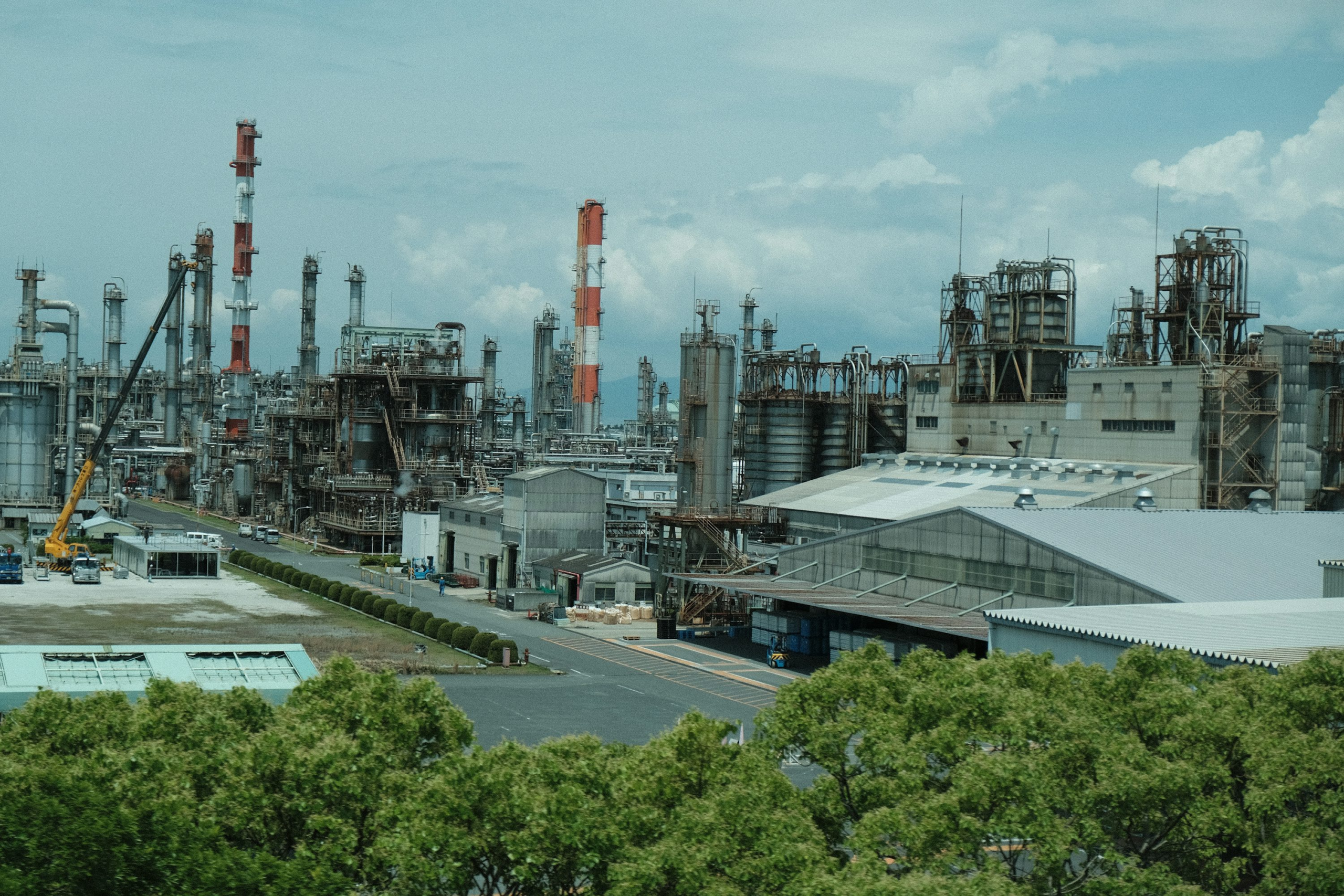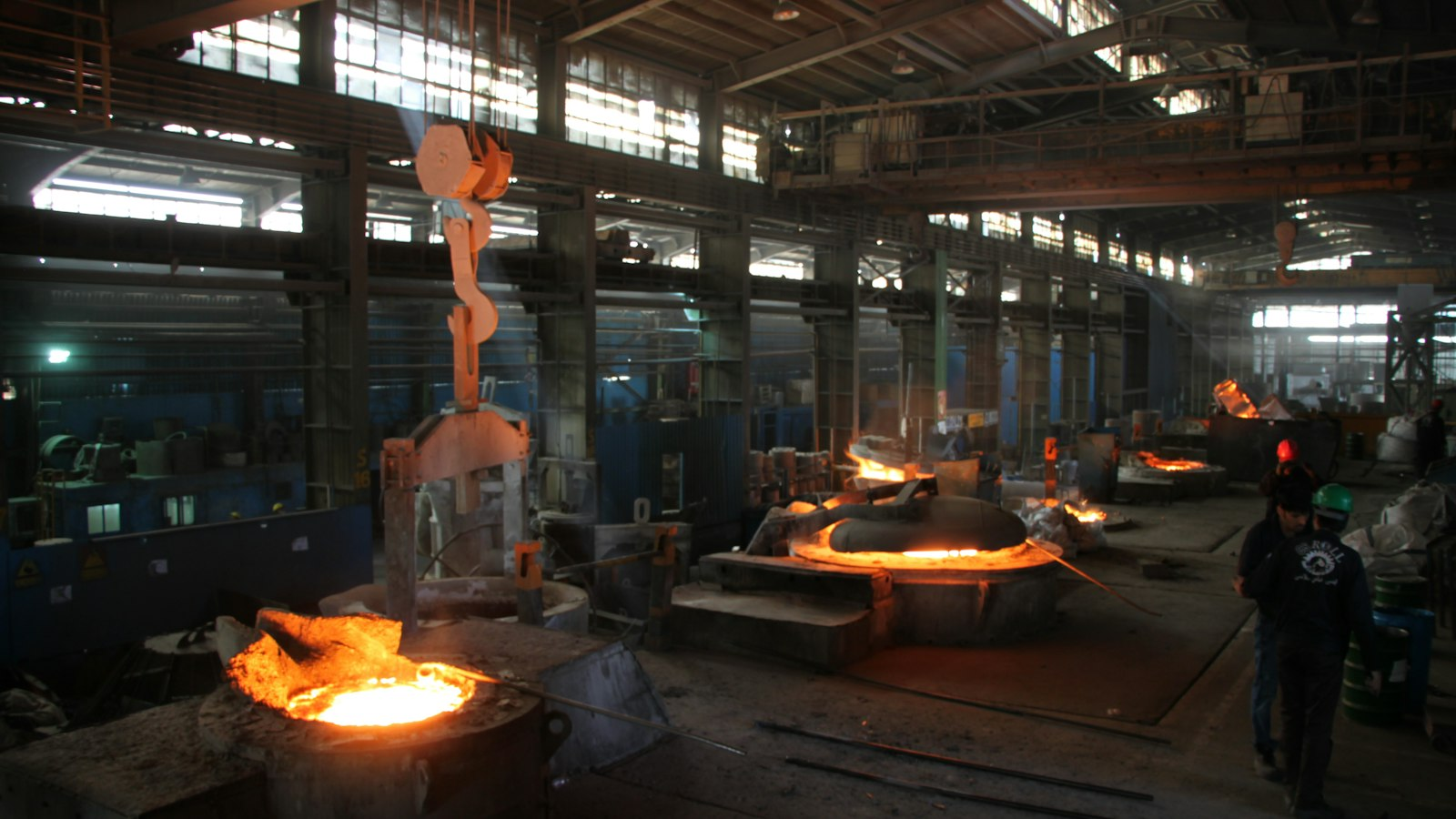
Trasteel has taken operational control of the La Magona steelworks in Piombino, Italy, beginning a production restart intended to restore annual output to more than 500,000 tonnes by the end of 2027.
The Swiss steel trading and industrial group has established Trasteel Magona specifically for the transaction and is operating the plant under a lease of the Liberty Magona business unit. Around 500 employees are expected to return progressively as production increases.
La Magona is a downstream steel processing operation producing cold rolled, galvanised and pre painted flat products rather than primary crude steel from iron ore or scrap. Its process begins with steel coil produced elsewhere and converts that feedstock into thinner, coated and finished material for manufacturing and construction customers.
Cold rolling passes hot rolled steel through reduction mills below the material’s recrystallisation temperature. The process reduces thickness and improves dimensional control and surface finish, while also changing the mechanical condition of the strip and creating requirements for subsequent treatment depending on grade and application.
Galvanising applies a zinc coating to protect steel from corrosion, while pre painted products add organic coatings that provide colour and further environmental protection before material reaches the customer. Continuous lines have to control strip preparation, temperature, line speed, coating thickness and surface quality across large coil volumes.
Restarting La Magona therefore requires more than returning individual machines to service. Feedstock has to arrive in sufficient quantities, processing lines must be maintained and commissioned after reduced activity, consumables need to be available and customer specifications have to be matched with production schedules and outbound logistics.
Italian reporting indicates that around 40,000 tonnes of incoming steel coil have already been ordered to support the initial restart. That material allows Trasteel to raise production progressively while establishing the mechanical condition, yield and reliability of the plant rather than attempting to return immediately to historic utilisation.
The workforce is following a similar phased pattern. Years of uncertainty under previous ownership left employees dependent on employment protection measures while output declined, and the restart agreement is intended to return approximately 500 people to active work as operating volumes recover.
Solidarity contracts will be used during the initial phase to manage working hours while production remains below full capacity. Trasteel has also agreed to advance associated income support payments rather than leaving employees to wait for public reimbursement.
Recovering more than 500,000 tonnes of annual production by the end of 2027 will require a substantial increase in line utilisation. Rolling, coating and finishing plants carry fixed costs in labour, maintenance, energy and infrastructure, making each tonne more expensive when equipment operates far below design throughput.
Feedstock and sales therefore have to increase together. Running the lines without sufficient orders ties up working capital in coil and finished inventory, while securing customers without dependable incoming material exposes the plant to missed production and delivery commitments.
Trasteel’s existing trading business provides an advantage because the wider group already buys and sells steel internationally. Procurement and customer networks can help connect La Magona’s processing capacity with suitable feedstock and markets more directly than would be possible for an isolated plant rebuilding those relationships from scratch.
The same connection leaves the operation exposed to wider European flat steel conditions. Automotive, construction, appliances and general manufacturing influence demand, while imports, trade measures, energy prices and primary steel output affect the margin available to downstream processors.
La Magona does not carry the energy intensity of blast furnace or electric arc furnace steelmaking because it starts with finished coil, but cold rolling, annealing, galvanising, coating and material handling still consume substantial electricity and gas. Stable throughput is consequently important to spreading those costs across saleable tonnes.
Quality control imposes another limit on how quickly volumes can rise. Coated flat products are bought against detailed tolerances for thickness, flatness, surface appearance, coating mass and mechanical properties, so production cannot simply be accelerated if line conditions are not yet repeatable.
The first 40,000 tonnes of incoming coil will provide operating evidence as well as commercial material. Each campaign will reveal equipment condition, attainable line speed, yield, maintenance requirements and the amount of rework or scrap generated as the plant moves towards sustained production.
Piombino remains one of Italy’s most closely watched steel centres after years of restructuring. La Magona is separate from the area’s primary steelmaking projects, but a stable restart would restore downstream processing capacity and retain skills associated with cold rolling and coated flat products.
The lease structure also separates operation from long term ownership. Trasteel Magona now carries responsibility for running and rebuilding the business unit, while the wider corporate position of the underlying asset remains distinct from the immediate production plan.
Physical output will provide the clearest measure of whether that plan is working. Trasteel has secured initial feedstock and set a target beyond 500,000 tonnes a year by the end of 2027, but reaching it will require sustained orders, stable processing lines and enough working capital to keep coil moving through the factory continuously rather than in intermittent restart campaigns.